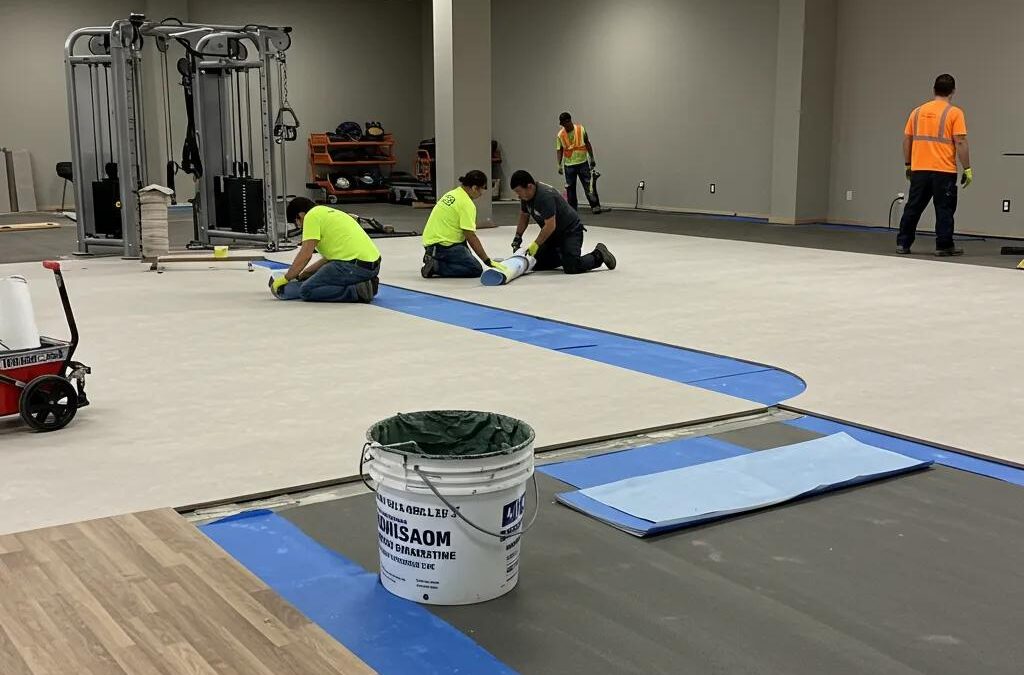
Guard Your Floors: Expert Moisture Damage Prevention for Commercial & Athletic Facilities

Excess moisture is a silent saboteur, compromising the integrity of flooring in gyms, schools, and commercial spaces. It leads to warped surfaces, adhesive failures, and the unwelcome spread of mold. This guide reveals how strategic moisture barriers, precise testing, and customized mitigation systems can shield your athletic and commercial facilities from costly damage. You’ll learn about the origins of moisture intrusion, how to assess it, the cutting-edge barrier technologies available, facility-specific control measures, essential long-term care, and how SP Surfacing provides complete moisture protection. By the end, owners and facility managers will possess a clear blueprint to safeguard their flooring investments with high-performance moisture mitigation solutions.

What Causes Moisture Damage in Commercial and Athletic Flooring?

Moisture damage occurs when water or vapor infiltrates concrete subfloors, weakening adhesives, finishes, and structural components. Rising damp, condensation, or plumbing leaks force vapor through the slab’s pores, while improper curing or high ambient humidity accelerate deterioration. Understanding these root causes is the first step toward implementing effective preventive strategies.

What are the common sources of moisture in concrete floors?

Concrete slabs are susceptible to moisture from several common sources:

  • Rising damp: Groundwater vapor is drawn upward through the slab's capillaries.
  • Condensation: Warm indoor air meeting cooler concrete surfaces creates water droplets.
  • Plumbing leaks or surface water: Liquid moisture can directly penetrate beneath floor coverings.

These sources often converge in high-traffic facilities, making thorough testing an essential next step.

How does moisture damage affect flooring materials and adhesives?

Moisture damage manifests in distinct failure patterns that compromise both safety and performance:

Visible SignImpact on MaterialsSeverity
BlisteringAdhesive bond failureHigh
DelaminationSeparation of flooring layersCritical
WarpingDistortion of wood and vinylModerate
Mold growthHealth hazardSevere
EfflorescenceEmergence of salt depositsNoticeable

Flooring exposed to these conditions loses its structural integrity and often requires complete replacement, underscoring the critical importance of pre-installation moisture control.

Why is moisture damage critical for athletic and commercial facilities?

Moisture-related failures in sports halls and retail spaces carry amplified risks:

  • Safety hazards: Slippery surfaces and dislodged panels create trip and fall risks.
  • Performance degradation: Synthetic and wood floors lose essential shock absorption properties.
  • Reduced longevity: Repeated moisture cycles degrade adhesives and coatings over time.
  • Increased costs: Unplanned downtime, repairs, and warranty claims escalate expenses.

Addressing moisture at the foundation level prevents these cascading issues in demanding environments.

How is Concrete Moisture Tested Before Flooring Installation?
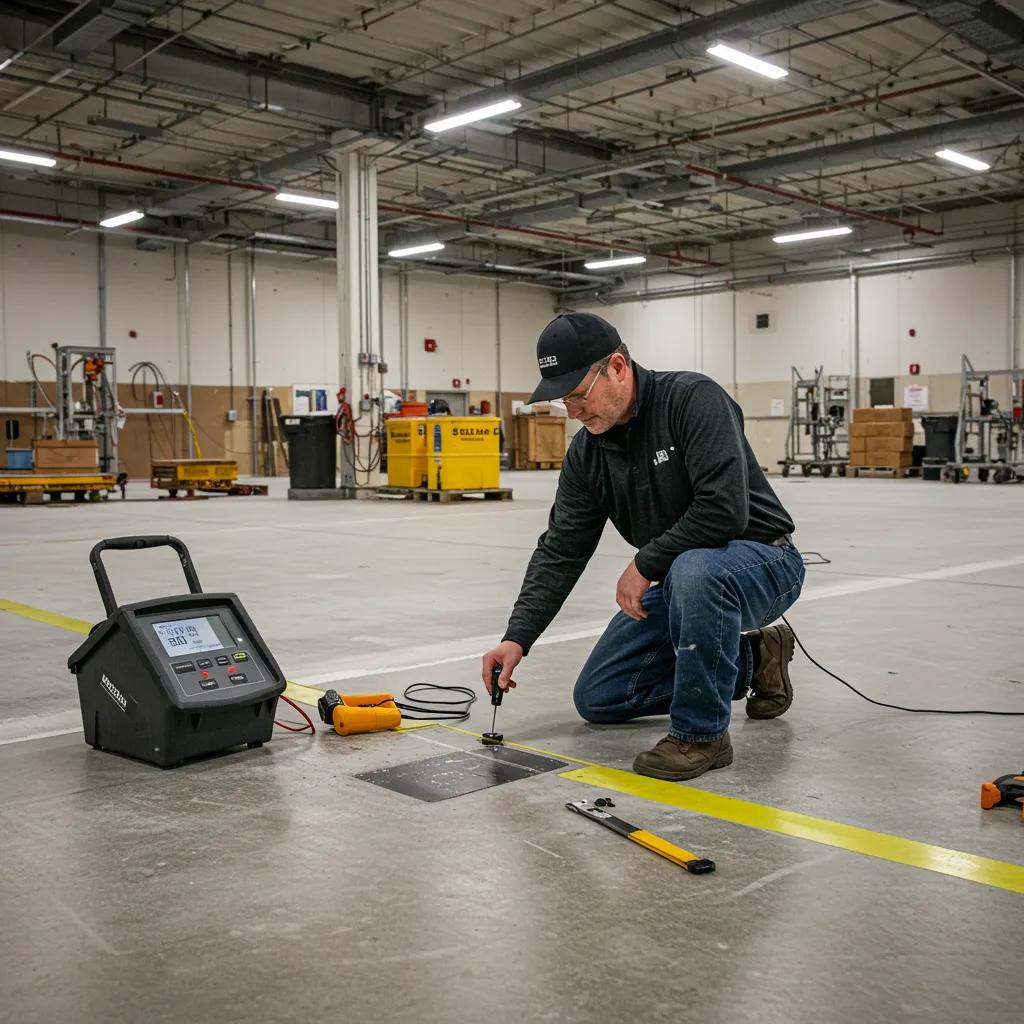
Concrete moisture testing is crucial for verifying the subfloor’s readiness for flooring by quantifying vapor emission rates and in-situ relative humidity. Accurate assessments guide the selection of appropriate barriers, adhesives, and installation timelines to ensure lasting performance.

What are the main concrete moisture testing methods?

Three standard protocols are used to measure moisture levels in concrete slabs:

Test MethodWhat It MeasuresGoverning Standard (ASTM)Typical Application
Relative Humidity (RH)In-slab vapor percentageF2170New and existing concrete slabs
Calcium ChlorideMoisture vapor emission rateF1869Surface emission rate (lb/24hr/1000 sq ft)
pH TestingSurface alkalinityF710Adhesive compatibility assessment

Choosing the right test method provides reliable data for barrier compatibility and optimal adhesive adhesion.

Why is professional moisture testing important for flooring success?

Accurate moisture diagnostics prevent premature flooring failures by:

  • Providing objective data on slab dryness and vapor emission rates.
  • Ensuring compliance with flooring manufacturers' moisture specifications.
  • Minimizing warranty claims through documented pre-installation reports.

Engaging certified technicians removes guesswork and forms the bedrock of informed moisture control decisions.

How do you interpret moisture test results for flooring decisions?

Interpreting results involves comparing them against established benchmarks for emissions and humidity:

  • Moisture Vapor Emission Rate (MVER): Should be below 3 lbs/24 hr/1000 sq ft for moisture-sensitive finishes.
  • In-slab Relative Humidity (RH): Must be below 75% RH to prevent adhesive failure.
  • pH Level: Should range between 7 and 10 for optimal bonding with high-performance adhesives.

Comparing these readings against manufacturer guidelines determines if additional moisture mitigation is necessary before proceeding with installation.

Concrete Moisture Testing Standards and Benchmarks

Industry standards for concrete moisture testing, such as ASTM F1869 for moisture vapor emission rate (MVER) and ASTM F2170 for in-situ relative humidity (RH), are crucial for determining a slab’s readiness for flooring. ASTM F710-22 recommends that MVER should not exceed 3 pounds per 1,000 square feet per 24 hours, and in-slab RH should remain below 75% for most flooring installations.

This research directly supports the article’s section on concrete moisture testing methods, the specific ASTM standards, and the critical benchmarks for MVER and RH that guide flooring decisions.

What Are the Best Moisture Mitigation Solutions for Flooring?
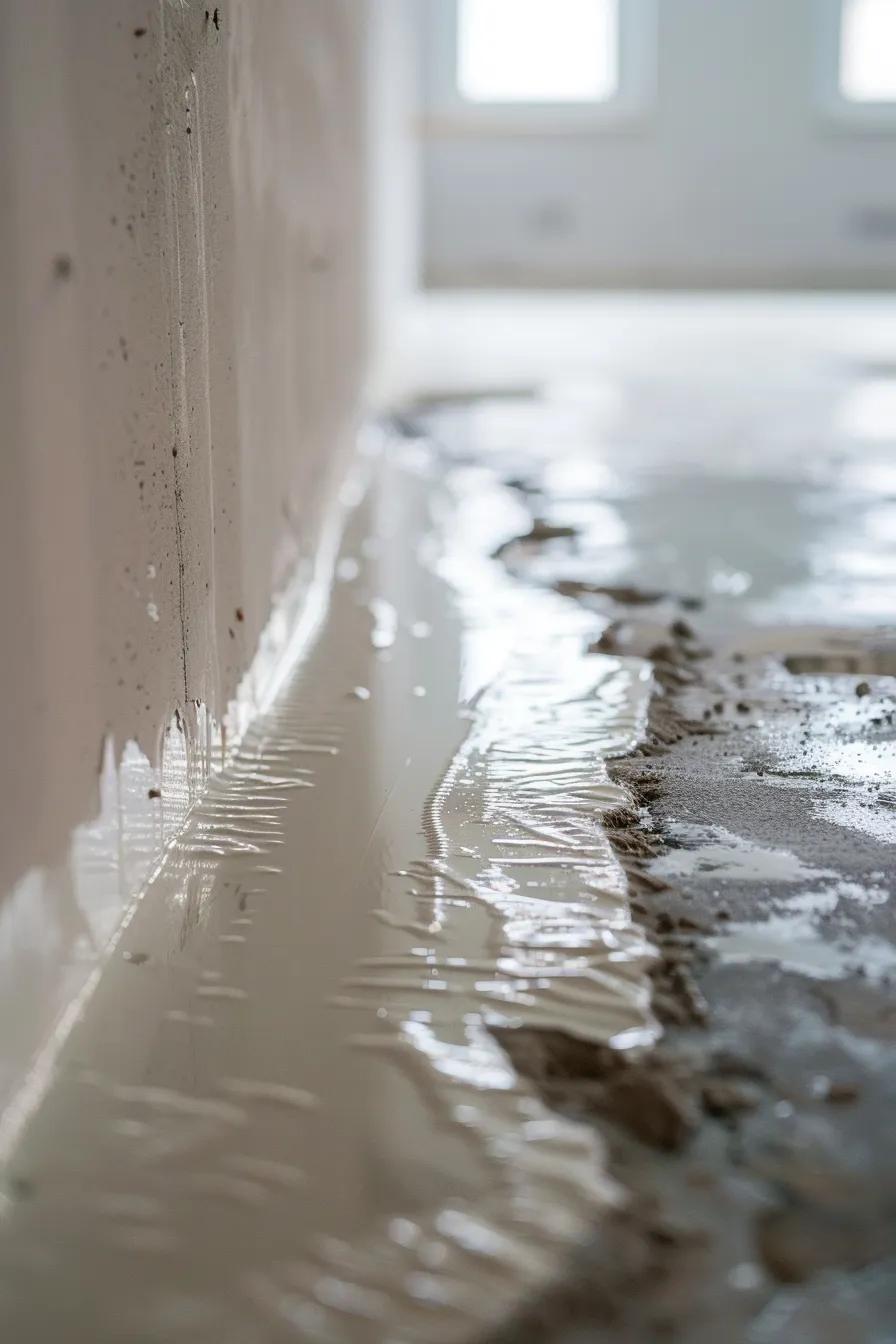
Effective moisture mitigation systems create durable, impermeable barriers that block vapor transmission and protect adhesives. Common solutions include epoxy barriers, urethane systems, damp proof membranes, and specialized subfloor preparations.

What are epoxy moisture barrier systems and how do they work?

Epoxy moisture barriers form a continuous, high-solids coating that seals concrete pores and effectively blocks water vapor:

  • How they work: The epoxy resin cures into an impermeable film across the slab surface.
  • Key feature: A 100% solids formulation prevents shrinkage caused by solvents.
  • Primary benefit: Can handle high MVER rates up to 25 lbs/24 hr/1000 sq ft without blistering.

Installing an epoxy barrier first ensures that resilient flooring adheres firmly and remains stable, even under heavy traffic conditions.

How do urethane moisture mitigation systems protect floors?

Cementitious urethane systems combine epoxy and cementitious components to provide excellent thermal shock resistance:

  • How they work: Urethane compounds react with moisture to form a crystalline barrier within the concrete's capillaries.
  • Key feature: Offers high bond strength and superior chemical resistance.
  • Primary benefit: Withstands rapid temperature fluctuations common in sports halls and industrial settings.

This method is particularly effective in arenas and warehouses where surface abrasion and thermal cycling pose significant challenges to conventional barriers.

Overview of Moisture Mitigation Systems for Flooring

Various moisture mitigation systems are employed to protect flooring from moisture vapor transmission, including film-forming epoxy systems, membrane systems (often urethane-based), and poly sheeting (damp proof membranes). These solutions create an impermeable barrier between the concrete substrate and the flooring, which is essential for preventing moisture-related failures and ensuring the longevity of installations.

This source provides a comprehensive overview of the different moisture mitigation solutions discussed in the article, such as epoxy barriers, urethane systems, and damp proof membranes, validating their role in protecting commercial and athletic flooring.

What role do damp proof membranes (DPMs) play in moisture control?

Damp proof membranes act as sheet-applied vapor retarders installed beneath screeds and toppings:

  • How they work: Polyethylene or bitumen sheets physically prevent ground moisture from rising.
  • Key feature: Available in self-adhesive or loose-lay formats for versatile application.
  • Primary benefit: Stops capillary action and rising damp before new screed installation.

In renovation projects, installing a DPM beneath a new topping layer quickly restores moisture protection to older slabs.

How do subfloor moisture protection methods enhance flooring durability?

Subfloor treatments integrate multiple layers to provide comprehensive vapor control:

  • Underlayments: Foil-backed or polymer rolls offer secondary vapor retardation.
  • Moisture-resistant adhesives: Specially formulated to bond effectively even with residual slab moisture.
  • Sealants and primers: Prepare edges and penetrations to eliminate potential moisture pathways.

These combined measures create a uniform barrier, significantly extending the service life of any commercial or athletic floor.

How Can Moisture Damage Be Controlled in Specific Facility Types?

The unique demands and usage patterns of different facilities necessitate tailored moisture control strategies that address specific environmental stresses.

What moisture control strategies are effective for gym and sports hall flooring?

Sprung timber and synthetic sports surfaces require proactive vapor management:

  1. Install a cementitious urethane barrier beneath timber joists to counteract sweat-induced moisture.
  2. Apply a two-coat epoxy barrier under synthetic tiles to manage high RH from crowds and equipment.
  3. Seal expansion joints with flexible sealant to prevent moisture ingress through gaps.

Combining structural and surface barriers ensures safe, consistent performance in active sports environments.

How is moisture prevented in university and school flooring installations?

High-traffic educational settings benefit from fast-curing systems and antimicrobial additives:

  • Apply quick-set epoxy primer to minimize downtime between classes.
  • Incorporate antimicrobial agents into barriers to inhibit mold growth in busy corridors.
  • Utilize damp proof membranes beneath resin screeds in science labs and wet areas.

These measures deliver durable, hygienic floors that meet safety standards and demanding project schedules.

In kitchens and wash-down zones, robust waterproofing and slip resistance are paramount:

  • Employ a cementitious urethane barrier with integral slip-resistant aggregate.
  • Seal all wall-to-floor junctions with waterproof polyurethane sealant.
  • Apply an antimicrobial epoxy topcoat to prevent bacterial growth.

A comprehensive barrier-and-topping approach protects subfloors while ensuring hygienic, non-slip surfaces.

What Are the Best Practices for Maintaining Moisture Protection Long-Term?

Ongoing moisture management involves regular inspections, environmental controls, and preventive maintenance to sustain barrier performance over time.

What ongoing moisture management strategies extend flooring life?

Proactive routines help preserve barrier integrity and enable early detection of potential issues:

  • Schedule quarterly slab moisture re-checks using RH probes.
  • Inspect seals around penetrations and joints for any signs of cracking or delamination.
  • Reapply sealants or primer coats at the first indication of barrier wear.

Consistent monitoring and prompt, minor repairs can prevent the need for major remediation later.

How do climate control and ventilation impact floor moisture levels?

Regulating indoor humidity and ensuring adequate air flow stabilize moisture conditions within a facility:

  • Maintain relative humidity between 40% and 60% using dehumidifiers, especially in basements.
  • Ensure continuous air circulation under raised floors to prevent pockets of trapped vapor.
  • Balance heating and cooling cycles to avoid condensation forming on concrete slabs.

Stable climate conditions reduce stress on moisture barriers and adhesives, supporting long-term flooring performance.

How Does SP Surfacing Provide Expert Moisture Mitigation Services?

SP Surfacing offers a complete range of subfloor assessment and barrier installation services, backed by specialized expertise in sports and commercial environments. Their integrated approach covers testing, product selection, and professional application for guaranteed results.

What professional moisture mitigation services does SP Surfacing offer?

SP Surfacing delivers comprehensive moisture control solutions, including:

  • Concrete moisture testing utilizing ASTM-compliant RH and calcium chloride methods.
  • Expert installation of epoxy moisture barriers for high-performance concrete slabs.
  • Application of cementitious urethane and damp proof membranes under timber and resin floors.

SP Surfacing – Sports Surfacing, Athletic Facilities, Flooring Solutions provides these services nationwide, ensuring every project meets stringent moisture thresholds before final flooring is installed.

Why choose SP Surfacing for commercial and athletic flooring moisture control?

Clients benefit from SP Surfacing’s distinct advantages:

  • Specialized knowledge in athletic facilities and demanding commercial sites.
  • Proven durability achieved through high-solids, zero-VOC barrier formulations.
  • Comprehensive warranties and documented testing for risk-free installations.

These strengths provide peace of mind and ensure long-lasting floor performance in challenging environments.

What are real-world examples of successful moisture damage prevention projects?

SP Surfacing has successfully completed numerous moisture control installations with demonstrable outcomes:

  1. University sports hall: Installed cementitious urethane barrier, reducing slab RH from 88% to 62% within 72 hours.
  2. Commercial fitness center: Applied epoxy barrier under rubber tiles, preventing blistering despite 100% slab RH.
  3. School wet area upgrade: Combined DPM and antimicrobial epoxy topping, eliminating mold growth over five years.

These case studies highlight SP Surfacing’s capability to tailor solutions and achieve enduring moisture protection.

What Are Common Questions About Moisture Damage Prevention in Flooring?

Facility managers frequently seek clarification on barrier selection, installation timing, and indicators of damage before committing to moisture control solutions.

What is the best moisture barrier for concrete floors?

Epoxy moisture barriers offer the most robust vapor resistance, capable of handling MVER rates up to 25 lbs/24 hr/1000 sq ft. Damp proof membranes are excellent for blocking rising damp, while cementitious urethanes provide both barrier formation and thermal shock resilience.

How do you prevent moisture from coming through concrete floors?

Preventing moisture ingress involves professional moisture testing, proper subfloor priming, and installing a continuous moisture mitigation system—such as an epoxy barrier or DPM—followed by moisture-resistant adhesives and sealants to secure all joints.

What are the signs of moisture damage in commercial flooring?

Key indicators of moisture damage include blistering and delamination of flooring layers, warping of wood and vinyl planks, visible mold and salt efflorescence, and persistent musty odors emanating from beneath floor coverings.

How long does concrete need to cure before moisture barrier installation?

Standard concrete curing typically requires 28 days to achieve design strength. However, moisture testing must confirm in-slab RH below 75% before barrier application. Fast-track systems can allow barrier installation on green concrete after 7–14 days, provided proper testing is conducted.

Excess moisture poses significant risks to the performance, safety, and lifecycle costs of athletic and commercial facilities. By identifying moisture sources, conducting thorough testing, and deploying customized barriers—from advanced epoxy coatings to reliable damp proof membranes—managers can effectively eliminate vapor transmission and safeguard their flooring investments. SP Surfacing’s comprehensive testing, expert installations, and proven project results ensure every installation meets rigorous moisture standards and achieves lasting floor integrity. For dependable moisture mitigation and complete peace of mind, contact SP Surfacing today to schedule a consultation and protect your facility’s flooring for years to come.