Rubber vs Vinyl Flooring for Fitness Centers: Comprehensive 2024 Performance Comparison and Buyer’s Guide

Choosing the right flooring for fitness centers is crucial for both performance and safety. This article provides a comprehensive comparison of rubber and vinyl flooring, focusing on their unique characteristics, durability, cost, and maintenance. Understanding these differences is essential for facility managers and owners looking to create an optimal workout environment. Rubber flooring is often favored for its shock absorption and durability, while vinyl flooring is appreciated for its aesthetic appeal and ease of maintenance. This guide will explore the key differences between these two flooring types, their performance in various fitness settings, and the cost implications of each option. Additionally, we will discuss hybrid flooring solutions and why Sport Pro Surfacing is a leading choice for fitness center flooring needs.

Indeed, the choice of sports flooring is a foundational element impacting both athletic safety and overall performance.

Sports Flooring: Safety & Performance Impact

sports flooring—as a core component of sports venues—significantly impacts athletic safety and performance. This paper reviews four kinds of popular used sports flooring

Research Status and Development Trends of Sports Flooring, 2025

What Are the Key Differences Between Rubber and Vinyl Gym Flooring?

Rubber and vinyl flooring serve distinct purposes in fitness centers, each with unique properties that cater to different needs. Rubber flooring is made from recycled tires or synthetic rubber, providing excellent shock absorption and durability. In contrast, vinyl flooring is a synthetic product that offers a wide range of designs and colors, making it visually appealing. The choice between these materials often depends on the specific requirements of the fitness space, such as the type of activities performed and the desired aesthetic.

How Do Rubber and Vinyl Flooring Materials Differ in Composition and Design?

Rubber flooring is typically composed of natural or synthetic rubber, which is dense and resilient. This composition allows it to withstand heavy weights and high-impact activities, making it ideal for weight rooms and high-traffic areas. Vinyl flooring, on the other hand, is made from polyvinyl chloride (PVC) and can be designed to mimic various materials, including wood and stone. This versatility in design makes vinyl a popular choice for areas where aesthetics are a priority, such as yoga studios and multi-purpose rooms.

What Are the Typical Applications of Rubber vs Vinyl in Fitness Centers?

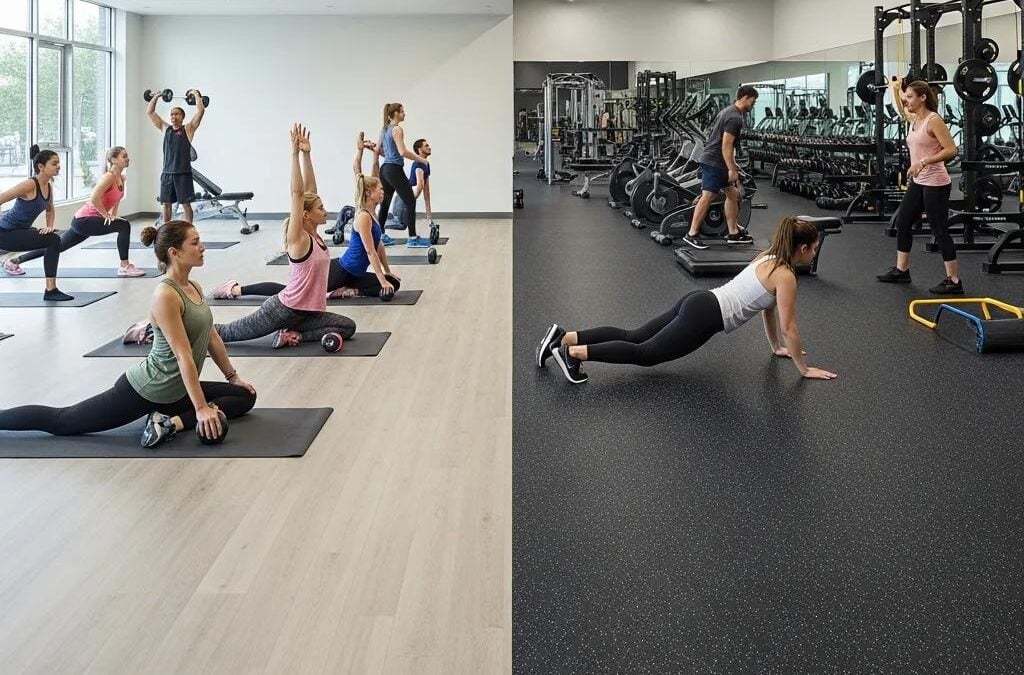
Rubber flooring is commonly used in weight rooms, high-impact zones, and areas requiring significant shock absorption. Its durability makes it suitable for heavy equipment and intense workouts. Vinyl flooring is often found in cardio areas, group fitness studios, and multi-purpose spaces due to its ease of cleaning and attractive appearance. Each flooring type has its strengths, making them suitable for different applications within a fitness center.

How Does Durability and Performance Compare Between Rubber and Vinyl Flooring?
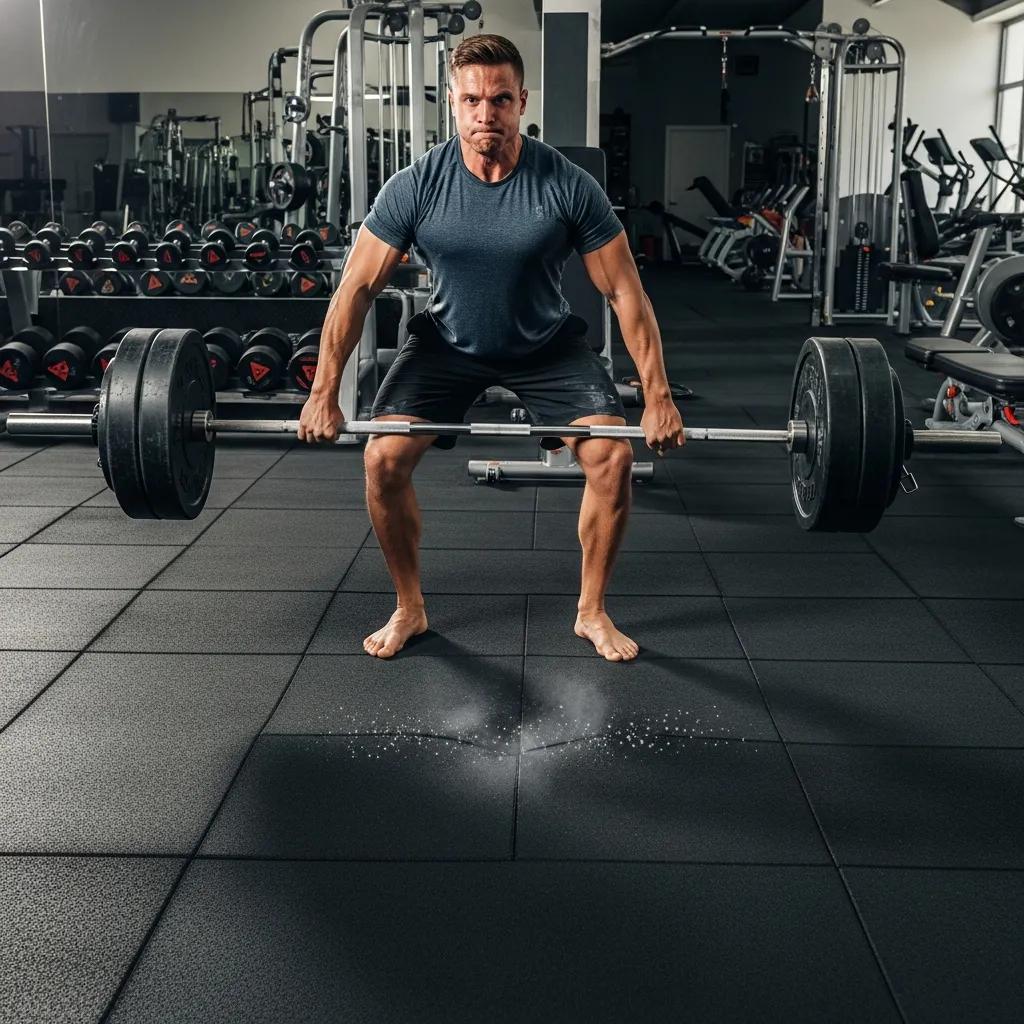
Durability and performance are critical factors when selecting flooring for fitness centers. Rubber flooring is renowned for its longevity and ability to withstand heavy use without significant wear. It provides excellent traction and slip resistance, making it a safe choice for high-impact activities. Vinyl flooring, while durable, may not offer the same level of shock absorption and can be prone to scratches and dents over time, especially in high-traffic areas.

Why Is Rubber Flooring Preferred for Weight Rooms and High-Impact Zones?

Rubber flooring is preferred in weight rooms and high-impact zones due to its superior shock absorption properties. This flooring type minimizes the impact on joints during heavy lifts and high-intensity workouts, reducing the risk of injury. Additionally, rubber’s slip-resistant surface enhances safety, making it an ideal choice for environments where heavy weights are lifted.

Further research underscores the critical role of appropriate flooring in mitigating impact and preventing injuries.

Rubber vs. Vinyl: Impact Reduction & Injury Prevention

Shock-absorbing flooring is one potential solution to prevent fall-related injuries. No standards exist to characterize shock-absorbing healthcare flooring. This study explores two mechanical tests for impact force reduction and horizontal force required to move wheeled objects. An appropriately designed rubber underlay can reduce peak impact by 25% compared with 1% with standard vinyl.

A comparison of floor surfaces for injury prevention in care settings: impact forces and horizontal pulling force required to move wheeled equipment, BE Keenan, 2020

What Are Vinyl Flooring’s Strengths in Low-Impact and Multi-Purpose Areas?

Vinyl flooring excels in low-impact and multi-purpose areas due to its aesthetic versatility and ease of maintenance. It is available in various colors and designs, allowing fitness centers to create visually appealing environments. Vinyl is also easier to clean and maintain than rubber, making it suitable for spaces that require frequent sanitation, such as yoga studios and group fitness rooms.

What Are the Cost and Maintenance Considerations for Rubber vs Vinyl Flooring?

When evaluating flooring options, cost and maintenance are significant considerations. Rubber flooring typically has a higher initial cost due to its durable materials and installation requirements. However, its longevity can lead to lower lifetime costs. Vinyl flooring is generally more affordable upfront but may require more frequent replacement or repairs, especially in high-traffic areas.

Beyond initial costs, the long-term economic benefits of injury prevention through shock-absorbing flooring are also a crucial consideration.

Shock-Absorbing Flooring: Injury Prevention & Economic Benefits

One care home-based RCT found a novel underlay produced similar injurious falls rates (high-quality evidence) and falls rates (moderate-quality evidence) to a plywood underlay with vinyl overlay and concrete sub-floors. Very low-quality evidence suggested that shock-absorbing flooring may reduce injuries in hospitals (Rate Ratio 0.55, 95% CI 0.36 to 0.84, 2 studies; 27.1% vs. 42.4%; Risk Ratio (RR) = 0.64, 95% CI 0.44 to 0.93, 2 studies) and care homes (26.4% vs. 33.0%; RR 0.80, 95% CI 0.70 to 0.91, 3 studies), without increasing falls. Economic evidence indicated that if injuries are fewer and falls not increased, then shock-absorbing flooring would be a dominant strategy. Fracture outcomes were imprecise; however, hip fractures reduced from 30 in 1000 falls on concrete to 18 in 1000 falls on wooden sub-floors (OR 0.59, 95% CI 0.45 to 0.78; one study; very low-quality evidence). Staff found moving wheeled equipment harder on shock-absorbing floors leading to work

The SAFEST review: a mixed methods systematic review of shock-absorbing flooring for fall-related injury prevention, A Drahota, 2022

How Do Initial and Lifetime Costs Compare for Rubber and Vinyl Gym Floors?

The initial cost of rubber flooring can range from $2 to $8 per square foot, depending on the thickness and quality. In contrast, vinyl flooring typically costs between $2 to $7 per square foot installed. While rubber flooring may seem more expensive initially, its durability often results in lower lifetime costs, as it can last 10-20 years with proper maintenance, compared to vinyl’s 7-15 years.

What Are the Maintenance Requirements and Longevity of Each Flooring Type?

Rubber flooring requires minimal maintenance, needing only regular sweeping and occasional mopping with a mild detergent. Its longevity is a significant advantage, as it can withstand heavy use without degrading. Vinyl flooring, while easy to clean, may require periodic waxing or refinishing to maintain its appearance, especially in high-traffic areas. Understanding these maintenance needs is essential for making an informed decision.

How Can Hybrid Flooring Solutions Optimize Fitness Center Performance and Aesthetics?
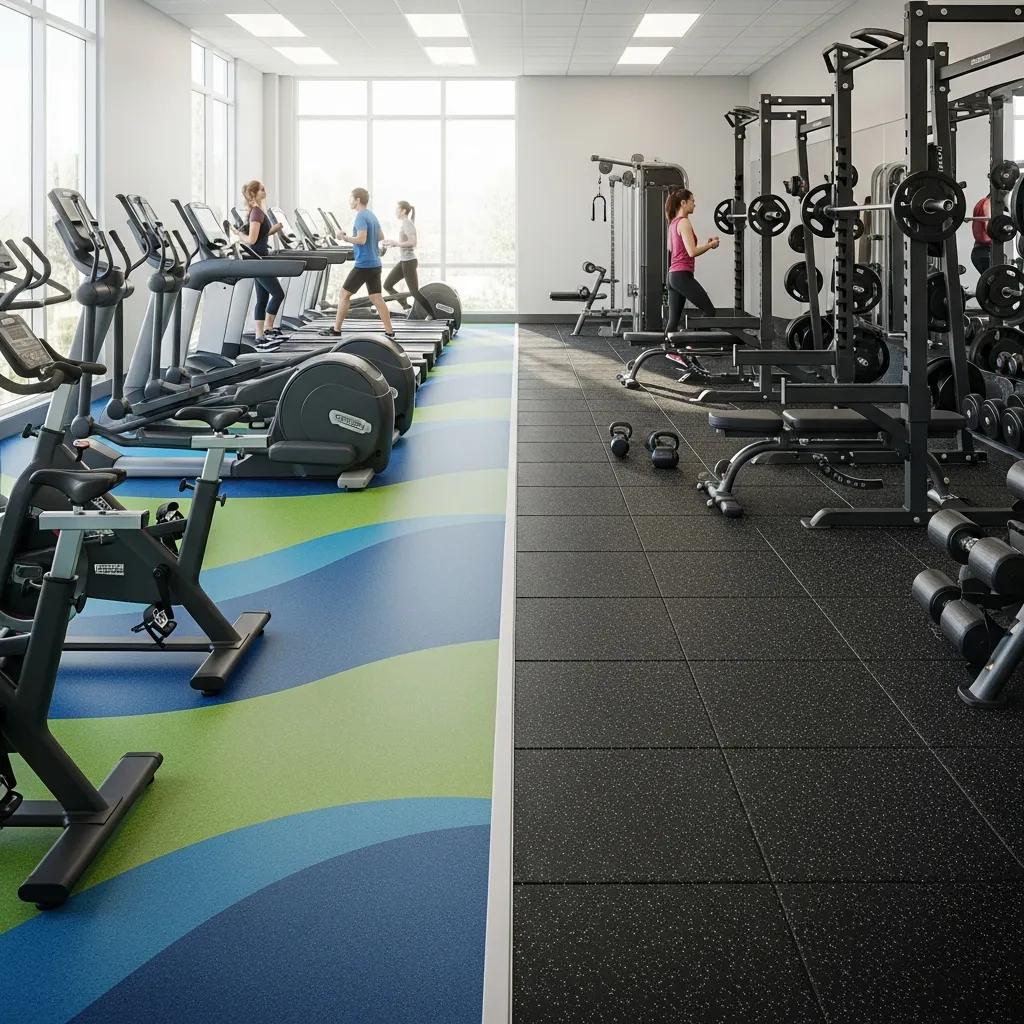
Hybrid flooring solutions combine the strengths of both rubber and vinyl, offering a versatile option for fitness centers. By strategically placing rubber in high-impact areas and vinyl in spaces where aesthetics are prioritized, facilities can optimize both performance and design.

What Are the Benefits of Combining Rubber and Vinyl Flooring in Different Gym Zones?

Combining rubber and vinyl flooring allows fitness centers to tailor their flooring solutions to specific areas. For example, rubber can be used in weight rooms for its shock absorption, while vinyl can enhance the visual appeal of cardio areas. This approach not only improves functionality but also creates a cohesive design throughout the facility.

How Do Hybrid Floors Address Both Durability and Design Needs?

Hybrid flooring solutions address durability and design needs by leveraging the best features of both materials. Facilities can achieve a balance between performance and aesthetics, ensuring that each area meets the specific demands of its intended use. This flexibility allows for a more customized approach to fitness center design.

Why Choose Sport Pro Surfacing for Your Fitness Center Flooring Needs?

Sport Pro Surfacing is a specialized provider of athletic surfacing solutions, creating functional and aesthetically pleasing flooring designs for diverse facilities, including fitness centers. The company emphasizes professional installation, quick project turnaround, and customized solutions tailored to client needs and budgets.

How Does Sport Pro Surfacing Provide Expert Guidance and Custom Design?

Sport Pro Surfacing offers expert guidance through personalized consultations, helping clients choose the right flooring solutions for their specific needs. Their team works closely with facility managers to design custom flooring layouts that enhance both performance and aesthetics, ensuring that each project meets the highest standards.

What Professional Installation and Project Support Does Sport Pro Surfacing Offer?

With a focus on quality and efficiency, Sport Pro Surfacing provides professional installation services that ensure a seamless fit for all flooring types. Their project support includes detailed planning and execution, allowing for quick turnaround times without compromising quality. This commitment to excellence makes Sport Pro Surfacing a trusted partner for fitness center flooring needs.

What Are the Most Frequently Asked Questions About Rubber vs Vinyl Gym Flooring?

Understanding common questions about rubber and vinyl flooring can help facility managers make informed decisions. This section addresses key concerns regarding suitability, safety, and environmental factors.

Is Vinyl Flooring Suitable for High-Impact Gym Activities?

While vinyl flooring can be used in fitness centers, it is generally not recommended for high-impact activities due to its lower shock absorption compared to rubber. Facilities that prioritize safety and performance in high-impact zones should consider rubber flooring as the preferred option.

Which Flooring Type Offers Better Slip Resistance and Safety?

Rubber flooring typically offers superior slip resistance compared to vinyl, making it a safer choice for areas with heavy weights and high-impact activities. Its textured surface enhances grip, reducing the risk of slips and falls during workouts.

How Do Environmental and Eco-Friendly Factors Influence Flooring Choice?

Environmental considerations are increasingly important in flooring selection. Rubber flooring, often made from recycled materials, can be a more eco-friendly option compared to vinyl, which is derived from petroleum-based products. Facilities looking to promote sustainability may prefer rubber flooring for its lower environmental impact.