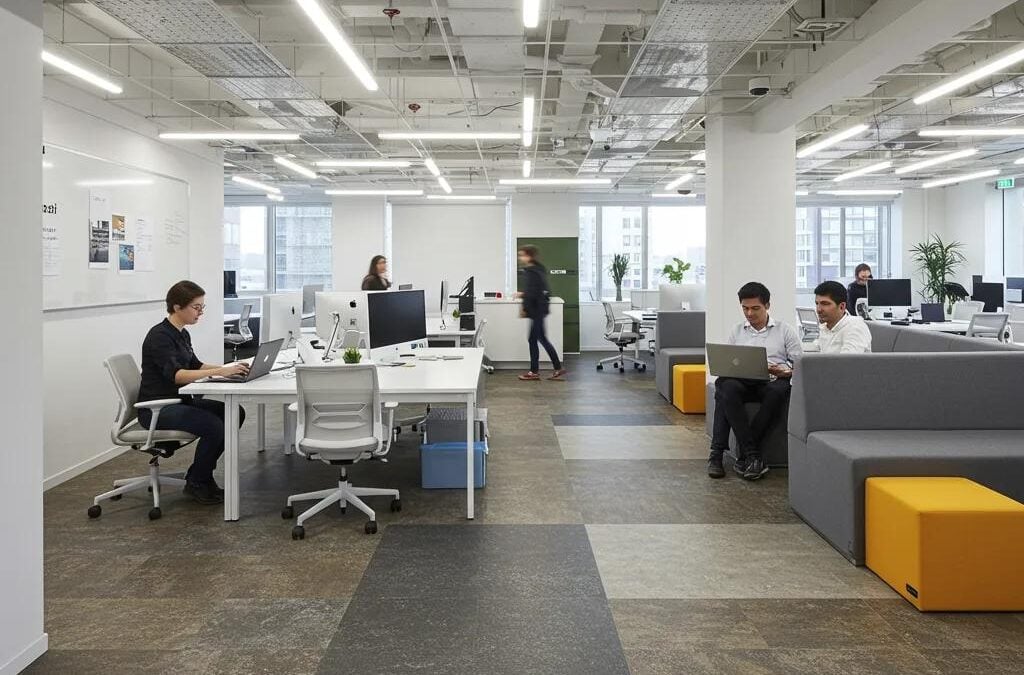
Choosing the Right Office Flooring: Key Considerations
Selecting the appropriate flooring for a corporate office environment is crucial for creating a productive, comfortable, and aesthetically pleasing workspace. Beyond appearance, factors like durability, maintenance, acoustics, and sustainability play significant roles in the decision-making process. Understanding these elements ensures the chosen flooring aligns with the company's operational needs and brand image.
Key considerations include the level of foot traffic each area will experience, the need for sound absorption to minimize distractions, and the environmental impact of the materials. For instance, high-traffic areas like reception and main corridors benefit from exceptionally durable options, while collaborative spaces might prioritize comfort and noise reduction. Sustainability certifications and ease of maintenance also contribute to long-term cost-effectiveness and employee well-being.
Benefits of Sustainable Office Flooring
Embracing sustainable flooring options in corporate offices offers a multitude of advantages, ranging from environmental responsibility to enhanced employee health and a positive brand reputation. Sustainable materials often contribute to better indoor air quality and can reduce a company's ecological footprint.
These benefits are realized through the use of recycled content, rapidly renewable resources, and low-VOC (Volatile Organic Compound) emissions. For example, carpets made from recycled fishing nets or natural linoleum derived from linseed oil are excellent sustainable choices. Such materials not only support environmental goals but also create a healthier and more inviting atmosphere for employees and visitors.
Impact of Office Flooring on Productivity and Well-being
The choice of office flooring has a direct and often underestimated impact on employee productivity, comfort, and overall well-being. A well-designed and appropriately chosen floor can significantly enhance the work environment, fostering a more positive and efficient atmosphere.
Factors such as acoustic properties, underfoot comfort, and visual appeal all contribute to this impact. For instance, flooring that effectively absorbs sound can reduce distractions and improve concentration, while cushioned options can reduce fatigue for employees who spend a lot of time on their feet. Furthermore, aesthetically pleasing and well-maintained flooring can boost morale and contribute to a professional company image.
Maintaining and Cleaning Commercial Office Flooring
Effective maintenance and cleaning routines are essential for preserving the longevity, appearance, and hygienic qualities of commercial office flooring. Regular upkeep not only ensures the flooring looks its best but also prevents premature wear and tear, ultimately saving on replacement costs.
The specific maintenance strategy will depend on the type of flooring installed. For example, carpeted areas benefit from regular vacuuming and periodic deep cleaning to remove embedded dirt and stains, while hard surface floors like LVT or polished concrete require sweeping, mopping, and occasional buffing. Implementing a consistent cleaning schedule, using appropriate cleaning agents, and addressing spills promptly are key to maximizing the lifespan and performance of any office flooring solution.