
Mastering Fitness Center Floor Care: Your Ultimate Guide to Hygiene and Durability
Keeping your fitness center floors in top condition is paramount. Research indicates that a significant 70% of facility incidents stem from slips on improperly maintained surfaces, highlighting the critical role of gym flooring upkeep in ensuring member safety and extending equipment life. This guide will equip you with proven cleaning routines for rubber and vinyl surfaces, insights on when to call in professional deep cleaning services, effective strategies for sanitization and odor control, the building blocks of a lasting maintenance plan, essential cleaning equipment, and environmentally conscious solutions that prioritize both health and the planet. Whether you oversee a compact studio or a sprawling athletic complex, these expert tips—drawn from Sport Pro Surfacing’s deep knowledge in lifecycle planning and maintenance education—will elevate your hygiene standards and significantly prolong your flooring’s lifespan.
Gym Health and Safety: Preventing Slip and Fall Accidents
Falls, including slips and trips, are a significant cause of injuries in fitness facilities. Studies indicate that slip and fall accidents account for a notable percentage of fitness-related injuries treated in emergency departments, underscoring the importance of maintaining clean and safe floor surfaces to reduce risks.
This research directly supports the article's emphasis on member safety and the critical role of gym flooring maintenance in preventing incidents, particularly slips and falls.
What's the Best Approach to Cleaning Rubber Gym Flooring?
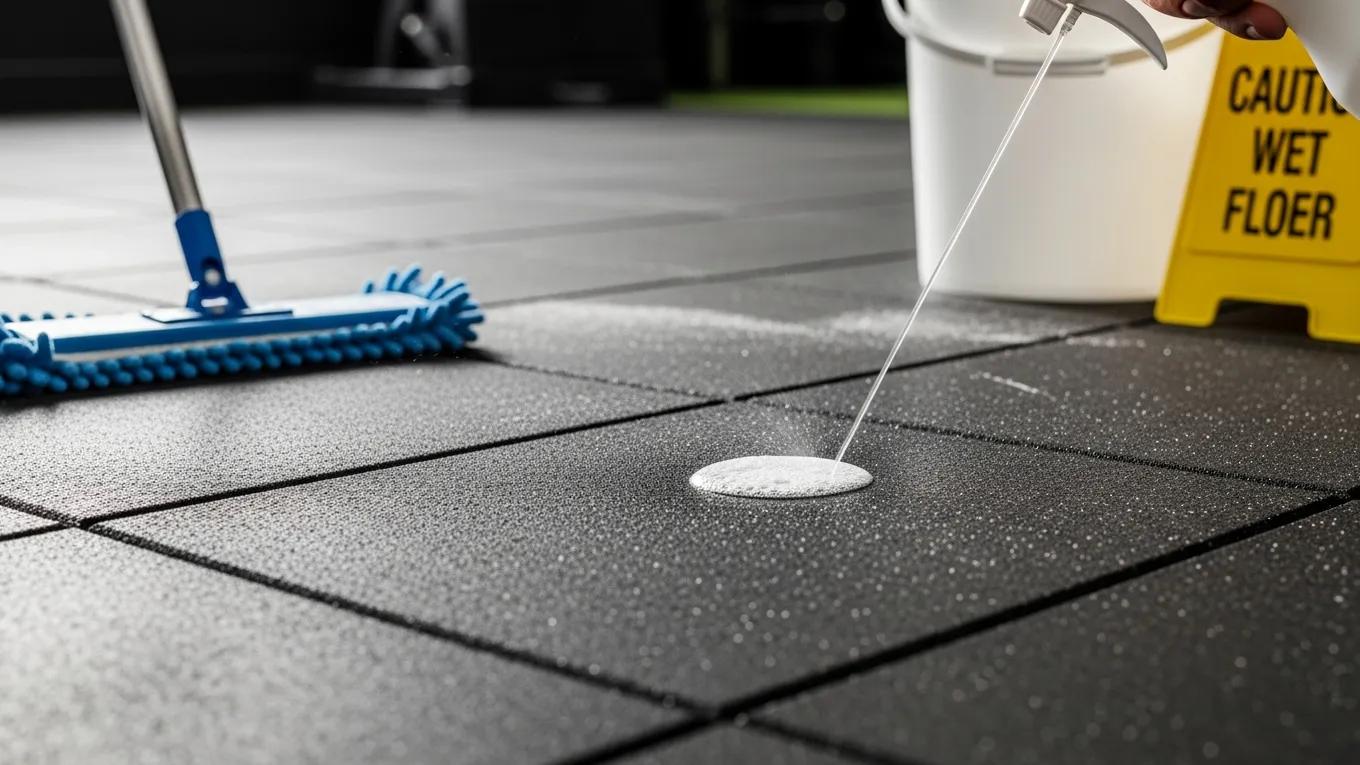
Rubber gym flooring requires a methodical strategy that blends daily upkeep, periodic intensive cleaning, the use of pH-balanced solutions, and precise stain removal to preserve its shock-absorbing qualities and slip resistance. Employing gentle, non-abrasive techniques is key to maintaining the rubber’s natural elasticity while effectively lifting embedded debris, thereby enhancing user safety and extending its service life.
How Should You Handle Daily Cleaning of Rubber Gym Floors?
Daily cleaning for rubber gym floors involves a simple process: sweep or vacuum away loose debris, followed by a damp mop using a pH-neutral cleaner.
- Begin by clearing away dust, hair, and grit using a soft-bristle broom or a vacuum equipped with a hard-floor attachment.
- Prepare your pH-neutral cleaning solution according to the manufacturer’s specified dilution ratio to prevent any surface damage.
- Mop the floor using overlapping strokes with a microfiber or nylon mop, designed to lift soil without causing abrasion.
- Remember to rinse your mop heads frequently and refresh the cleaning water whenever it appears visibly soiled.
Consistent daily attention prevents the buildup of abrasive grit and lays the groundwork for effective quarterly deep cleaning sessions.
What Are the Steps for Deep Cleaning Rubber Gym Flooring?
Deep cleaning rubber gym flooring necessitates specialized equipment, a systematic process of agitation and extraction, and a final conditioning step to restore optimal slip resistance.
- Thoroughly inspect the floor, noting any stubborn stains or adhesive residues, and pay close attention to high-traffic zones.
- Pre-treat any challenging spots with an enzymatic cleaner, allowing it to penetrate for 5–10 minutes.
- Utilize a low-speed floor scrubber fitted with soft nylon brushes, applying a pH-neutral cleaning agent.
- Effectively remove the loosened soil and moisture using a wet-vacuum or an automatic scrubber set to extraction mode.
- Rinse the entire surface with clean water to ensure no cleaning agent residue remains.
- Allow the floor to air-dry completely before allowing foot traffic to resume.
Regular deep cleaning, ideally performed by seasoned technicians, is crucial for eradicating deeply embedded bacteria and revitalizing the flooring’s performance characteristics.
Which Cleaning Products Are Safe and Effective for Rubber Gym Flooring?
Selecting the appropriate cleaning product is vital for effective soil removal without compromising the rubber’s integrity or its critical slip resistance.
Opting for products specifically formulated for rubber surfaces helps prevent hardening or discoloration, aligning perfectly with industry best practices.
How Can You Remove Stains and Odours from Rubber Gym Floors?
Addressing stubborn stains and persistent odors on rubber gym floors effectively involves using enzymatic agents combined with proper ventilation to break down and eliminate organic residues.
- Apply an enzymatic cleaner directly onto the stained areas, gently working it in with a soft brush to lift embedded proteins.
- Wipe the treated section with a damp microfiber pad and follow with a thorough rinse.
- For lingering odors, apply a fragrance-free microbial neutralizer, allowing it to sit for 10 minutes before rinsing.
Implementing these targeted steps will restore both the floor’s appearance and its hygienic condition, preparing it for routine upkeep or more intensive treatments.
How Do You Maintain and Clean Vinyl and Other Fitness Studio Floors?
Vinyl sports floors and similar resilient surfaces demand distinct cleaning methods to maintain their surface finish, prevent moisture infiltration, and protect their acoustic properties. Proper care involves a combination of scheduled routines and protective measures to guard against scuffs and delamination.
What Are the Daily and Weekly Cleaning Tips for Vinyl Sports Floors?
Daily vinyl care focuses on dust-mopping and spot-cleaning, while weekly maintenance incorporates damp mopping with a mild detergent.
- Daily: Utilize an untreated microfiber mop to effectively capture fine dust particles.
- Weekly: Dilute a neutral vinyl floor cleaner in warm water, mop in consistent longitudinal strokes, and follow up with a clean water rinse.
- Monthly: Conduct a thorough inspection of seam areas, checking for any signs of moisture penetration or edge lifting, and address any issues promptly.
Consistent application of these routines is essential for preventing the accumulation of abrasive grit and maintaining optimal slip resistance.
How Can Damage to Vinyl Gym Floors Be Prevented During Cleaning?
Preventing damage during vinyl floor cleaning hinges on using non-abrasive tools, the correct cleaning agents, and maintaining controlled moisture levels.
- Always choose microfiber or sponge mops over wire brushes to avoid creating surface scuffs.
- Steer clear of wax-based or solvent-heavy cleaners, as these can leave sticky residues that attract more dirt.
- Ensure mops are thoroughly wrung out to minimize standing water, thereby reducing the risk of seam swelling.
By diligently protecting the floor’s inherent coating, you ensure both its aesthetic appeal and its performance capabilities are maintained for an extended service life.
Why Is Professional Gym Floor Deep Cleaning Essential for Athletic Facilities?
Professional gym floor deep cleaning integrates cutting-edge machinery, validated sanitization protocols, and expert oversight to eradicate deeply ingrained soil, restore material integrity, and uphold rigorous hygiene standards across your entire facility. Engaging specialized teams ensures a level of comprehensive care that goes far beyond routine maintenance, directly contributing to safety and operational longevity.
What Are the Benefits of Hiring Commercial Gym Floor Cleaning Services?
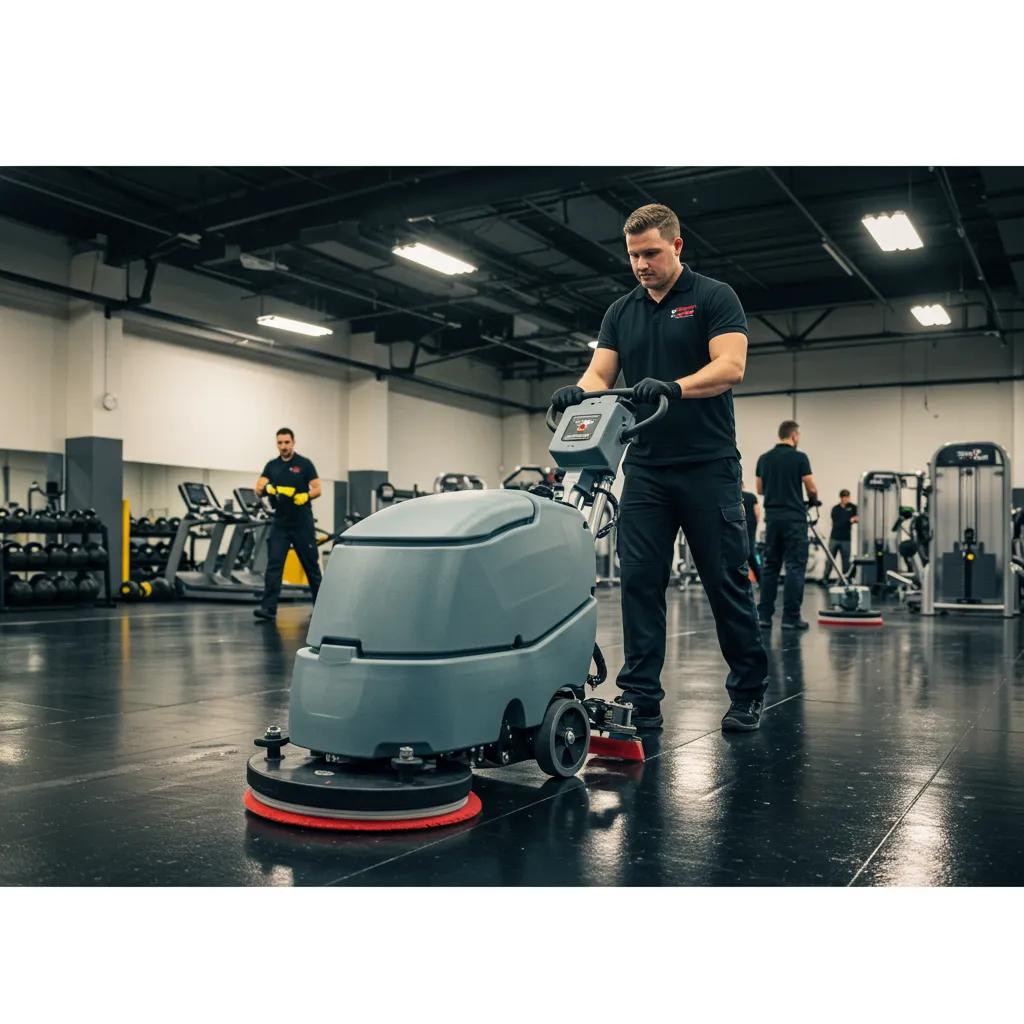
Commercial gym floor cleaning services consistently deliver superior results by employing industrial-grade scrubbers, hospital-grade disinfectants, and quality-assured processes, ultimately saving facility managers valuable time and significantly reducing liability risks.
- Elevated Hygiene Standards – Certified disinfection protocols effectively minimize pathogen loads.
- Enhanced Durability – Proper deep cleaning actively reverses wear patterns and extends floor life.
- Streamlined Operations – Highly trained crews complete tasks efficiently, minimizing disruption to facility operations.
These substantial advantages translate directly into lower overall lifecycle costs and a marked improvement in member satisfaction.
How Often Should Fitness Centre Floors Undergo Professional Deep Cleaning?
Fitness center floors should ideally undergo professional deep cleaning every three to six months, with the exact frequency depending on usage levels and the types of activities conducted. High-traffic gyms might necessitate quarterly treatments, while lower-volume studios could opt for bi-annual appointments. This recommended schedule ensures the thorough eradication of hidden biofilms and maintains optimal slip resistance between regular cleaning cycles.
How Do You Choose the Right Gym Floor Cleaning Contractor?
Selecting an expert contractor involves carefully evaluating their certifications, the quality of their equipment, and the scope of their maintenance education programs to ensure they align with your facility’s specific needs. Key selection criteria include:
- Verify accreditations from recognized industry cleaning associations.
- Confirm their experience working with your specific flooring materials (e.g., rubber, vinyl).
- Inquire about lifecycle planning services that can integrate seamlessly with your current maintenance schedule.
- Look for transparent reporting practices and valuable post-service recommendations.
Partnering with a contractor that offers comprehensive training and consultative support will significantly enhance your floor’s long-term performance.
How Can Fitness Centres Ensure Hygiene and Safety Through Floor Sanitisation?
Effective floor sanitization requires a careful balance of chemical potency, mechanical action, and appropriate dwell times to neutralize pathogens while simultaneously protecting the floor’s surface integrity. Integrating targeted disinfectants and procedural controls is key to reducing slip hazards and eliminating odor sources concurrently.
Bacterial Contamination in Fitness Facilities and the Need for Disinfection
Fitness facility surfaces, including floors, are prone to accumulating dirt, sweat, and bacteria, which can pose health risks to gym-goers. Research highlights that a significant percentage of gym surfaces can harbor bacteria leading to illness or skin infections, emphasizing the necessity of regular cleaning and disinfection.
This citation directly supports the article's focus on optimal hygiene, sanitisation, and the importance of eradicating embedded bacteria to ensure a healthy environment.
What Are the Best Disinfectants and Sanitisation Methods for Gym Floors?
Optimal gym-floor sanitization involves using neutral-pH, broad-spectrum disinfectants applied either via a microfiber mop or a low-speed auto-scrubber:
- Quaternary Ammonium Solutions – Offer a rapid kill rate against a wide range of bacteria and viruses.
- Hydrogen Peroxide-Based Cleaners – Provide an environmentally friendly option that leaves no harmful residues.
- Electrostatic Spraying – Ensures even and thorough coverage, especially in high-touch areas and corners.
Adhering to the recommended dwell times is crucial for ensuring complete microbial inactivation without causing any damage to the floor surface.
How Does Proper Floor Cleaning Enhance Slip Resistance and User Safety?
Effective floor cleaning meticulously removes invisible films and moisture-retaining soil, thereby restoring the original surface texture of the rubber or vinyl that is essential for providing reliable traction. Consistent removal of contaminants and thorough drying cycles are vital for minimizing hydroplaning risks and ensuring compliance with all relevant safety standards.
How Can Odour Control Be Managed in Fitness Centre Flooring?
Managing odors in fitness facilities effectively involves a combination of frequent neutralizer applications, thorough rinsing procedures, and adequate air circulation to eliminate the root causes of odors rather than merely masking them. Deploying specialized enzymatic products in locker areas and implementing strategic ventilation improvements will contribute to a consistently fresh environment that complements your overall cleaning regimen.
What Are the Key Components of a Long-Term Fitness Studio Floor Maintenance Plan?
A comprehensive maintenance plan should encompass meticulously scheduled cleaning routines, regular condition assessments, thorough staff training, and periodic lifecycle reviews to maximize material performance and minimize unexpected replacement expenses. By embedding structured protocols into your daily operations, facility managers can effectively safeguard both hygiene standards and their valuable flooring investment.
How Does Regular Cleaning Extend the Lifespan of Gym Flooring?
Regular cleaning prevents abrasive particles from becoming embedded within the flooring’s structure, which is critical for maintaining its shock-absorption capabilities and preventing the formation of surface fissures. Prompt removal of contaminants preserves the material’s elasticity and wear layer, potentially deferring the need for full-scale replacement by as much as 30%.
The Importance of Regular Maintenance for Gym Floor Longevity
Consistent and proper maintenance routines are crucial for extending the lifespan of gym flooring. Regular cleaning and care prevent premature wear and tear, reduce the need for costly repairs or early replacements, and preserve the floor's aesthetic and functional qualities over time.
This research reinforces the article's point that a long-term maintenance plan is essential for prolonging material performance and reducing unexpected replacement costs.
What Maintenance Education Should Facility Managers Provide to Staff?
Facility managers must ensure staff receive comprehensive training covering floor-type identification, correct cleaning-agent dilution ratios, proper tool maintenance, and essential safety procedures for handling chemicals. Well-trained personnel are empowered to execute daily and weekly tasks effectively, fostering a culture of proactive upkeep and reducing the need for external service calls.
How Can Cleaning Schedules Be Structured for Different Floor Materials?
Cleaning schedules specifically tailored to each material should integrate frequency, method, and product specifications:
Which Cleaning Equipment and Tools Are Essential for Effective Gym Floor Care?
Effective gym floor care fundamentally relies on utilizing the right equipment—ranging from simple microfiber mops to sophisticated auto-scrubbers—to efficiently remove debris, distribute cleaning agents uniformly, and extract soils without leaving behind residues that could compromise traction.
What Are the Recommended Tools for Cleaning Rubber and Vinyl Floors?
Essential tools for maintaining your floors include:
- Microfiber Dust Mop: Expertly captures fine particles without risking surface scratches.
- Nylon-fiber Mop Head: Ensures even application of pH-neutral cleaning solutions.
- Soft-Brush Floor Scrubber: Gently agitates soils for a thorough deep clean.
- Wet-Vacuum Extractor: Efficiently removes cleaning solution and residual soil.
Investing in equipment specifically suited to your flooring type will significantly enhance hygiene levels while reducing labor time.
How Do Cleaning Machines Enhance Efficiency and Hygiene in Fitness Centres?
Automatic scrubbers and low-moisture extraction units provide consistent pressure, maintain precise solution ratios, and effectively remove contaminants in a single pass. This capability can cut cleaning time by up to 50% and guarantee repeatable, high-level sanitization across large areas.
What Eco-Friendly and Safe Cleaning Solutions Are Available for Fitness Centre Floors?
Eco-friendly cleaning solutions utilize plant-derived surfactants, biodegradable solvents, and minimal-residue chemistries to protect indoor air quality, ensure user safety, and align with your facility’s sustainability objectives.
Which Non-Toxic Cleaners Are Suitable for Rubber and Vinyl Gym Flooring?
Non-toxic options specifically formulated for fitness floors include:
- Plant-Based Detergents that possess natural antimicrobial properties.
- Enzymatic Formulations designed to biodegrade organic soils through natural processes.
- Hydrogen Peroxide Concentrates that break down without leaving any harmful residues.
Adopting these types of cleaners supports the well-being of your members while effectively maintaining the integrity of your flooring materials.
How Do Eco-Friendly Cleaning Practices Support Health and Facility Standards?
Green cleaning practices significantly reduce volatile organic compounds (VOCs), minimize chemical exposure for both staff and members, and frequently meet or exceed criteria set by standards like LEED® and WELL Building Standard. This demonstrates a facility’s strong commitment to environmental responsibility and occupant safety.
By integrating these comprehensive cleaning methods and leveraging the expert guidance available from specialists in sports flooring lifecycle management and maintenance education, fitness center managers can confidently ensure hygienic, durable, and safe environments. This approach not only enhances member satisfaction but also provides robust protection for your valuable flooring investment.