
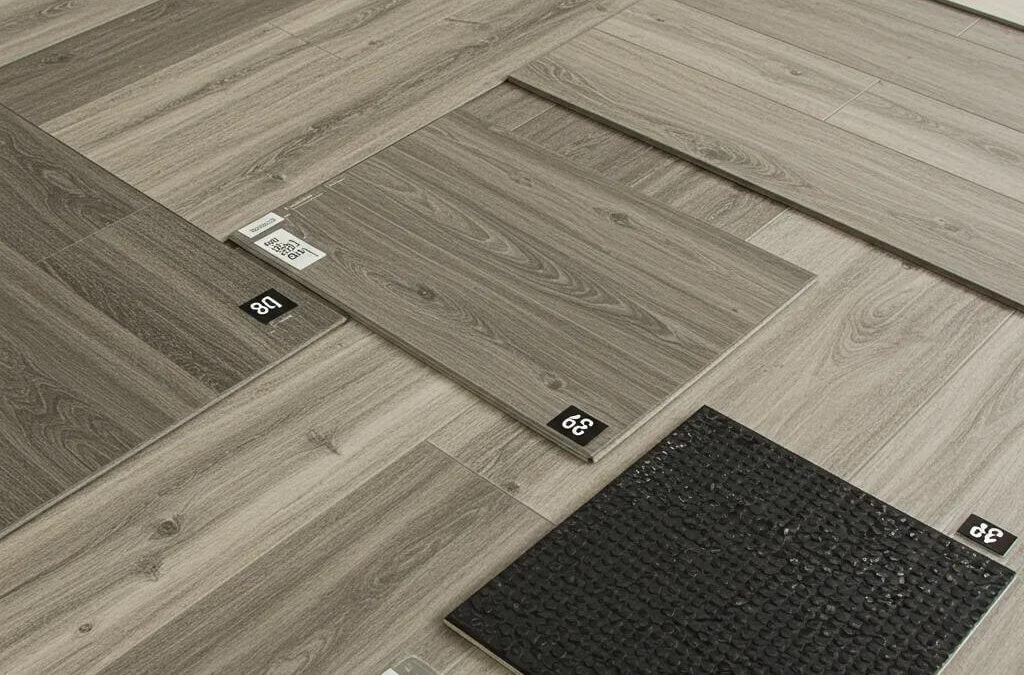
Budget-Friendly Flooring: Your SPSurfacing Guide to Commercial Floor Options
Selecting the right flooring is crucial for your commercial project's success and budget from the outset. This guide will walk you through the key considerations for affordable commercial floor materials, compare top choices, and help you identify the best surfaces for athletic facilities, schools, offices, or warehouses. You'll also learn how to evaluate true costs and ROI, find quick answers to common budget flooring questions, explore custom solutions from SPSurfacing, and discover the latest trends in durable, eco-friendly commercial flooring.
What Key Factors Influence Your Choice of Affordable Commercial Flooring?
Affordable commercial flooring means achieving cost savings without compromising long-term performance. To make the best selection, you need to balance five critical elements: how long the material will last under heavy use, its ongoing maintenance needs, occupant safety features, design flexibility, and its environmental impact. Each of these factors affects the total cost of ownership and the overall user experience.
Durability dictates how well a floor withstands wear and tear, influencing how often it needs replacing and the associated operational downtime. Maintenance requirements determine how much time, effort, and cleaning supplies are needed. Safety features, such as slip resistance, are vital for protecting people and reducing liability. Aesthetic versatility allows you to reinforce your brand image through colours, patterns, and textures. Finally, sustainability credentials can help meet regulatory requirements and showcase your company's commitment to corporate responsibility.
By considering these elements together, you can ensure your budget flooring supports both your financial goals and functional needs. Understanding how each factor interacts is the first step to comparing specific materials effectively.
How Does Durability Affect Your Decision on Commercial Budget Flooring?
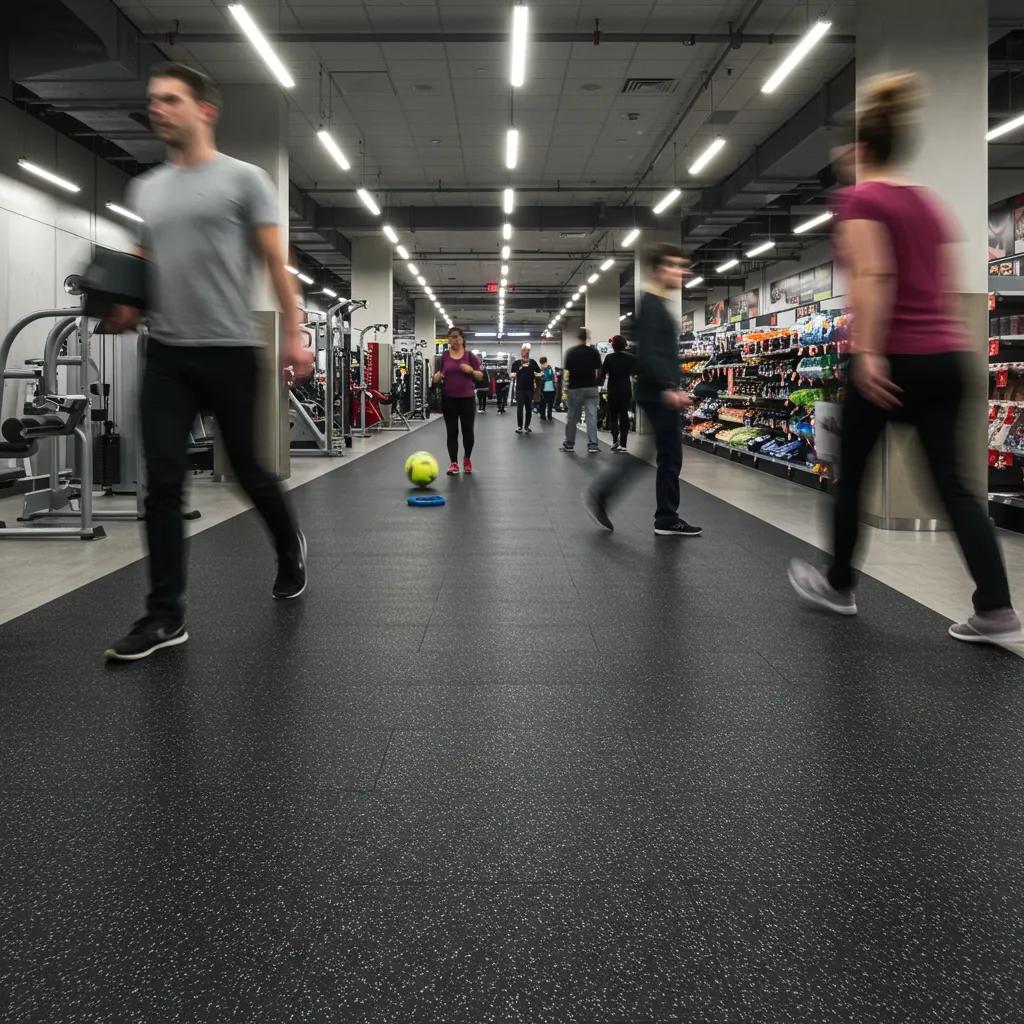
Durability is key to how well a material stands up to foot traffic, furniture, and equipment. This directly impacts how often you'll need to replace it, saving you money over time. Commercial-grade vinyl and epoxy coatings are built for high abrasion resistance with protective wear layers, extending their lifespan in busy areas like gyms, retail spaces, and industrial zones. Rubber flooring offers excellent shock absorption, resisting damage from repetitive impacts, while polished concrete provides extreme hardness that prevents dents. By assessing durability ratings against your expected traffic levels, you can prevent premature wear and keep maintenance costs down, ensuring you choose the most cost-effective long-term solution.
Why Is Maintenance Crucial for Cost-Effective School and Gym Flooring?
Maintenance needs significantly impact long-term costs, influencing cleaning routines, the types of chemicals you can use, and the labour involved. Materials with low porosity, such as sheet vinyl and epoxy, require less intensive cleaning and resist stains, reducing cleaning time and chemical use. Modular options like LVT and interlocking rubber allow for easy replacement of damaged sections without needing to redo the entire floor. Prioritising flooring that is easy to care for lowers the total cost of ownership and ensures your facilities remain hygienic and visually appealing without excessive resource expenditure.
What Safety Features Are Essential in Affordable, Durable Commercial Flooring?
Safety features are non-negotiable for protecting occupants and minimising legal risks, especially for budget-conscious projects. Slip resistance, often indicated by an R-rating, is crucial; products with an R10 rating or higher offer reliable grip in gyms, cafeterias, and hallways. Impact absorption underfoot helps reduce the risk of injuries for athletes and employees. Fire-retardant ratings, low VOC emissions, and antimicrobial surfaces further enhance occupant health and safety. Incorporating these safety attributes into affordable materials ensures compliance and peace of mind without breaking the bank.
How Do Aesthetics and Design Flexibility Influence Commercial Flooring Choices?
The visual appeal of your flooring can significantly impact brand perception and occupant satisfaction, making design flexibility a valuable asset. Luxury vinyl tile (LVT) can mimic the look of hardwood, stone, or abstract patterns at a much lower cost than the real thing, while laminate offers realistic wood-grain finishes. Coloured rubber tiles can create branded zones within gyms, and polished concrete can be enhanced with dyes or epoxy graphics for custom logos. Choosing a flooring system that balances visual impact with cost and maintenance requirements helps reinforce your corporate identity and improve the client experience without compromising your budget.
Why Is Sustainability Increasingly Important for Affordable Commercial Flooring?
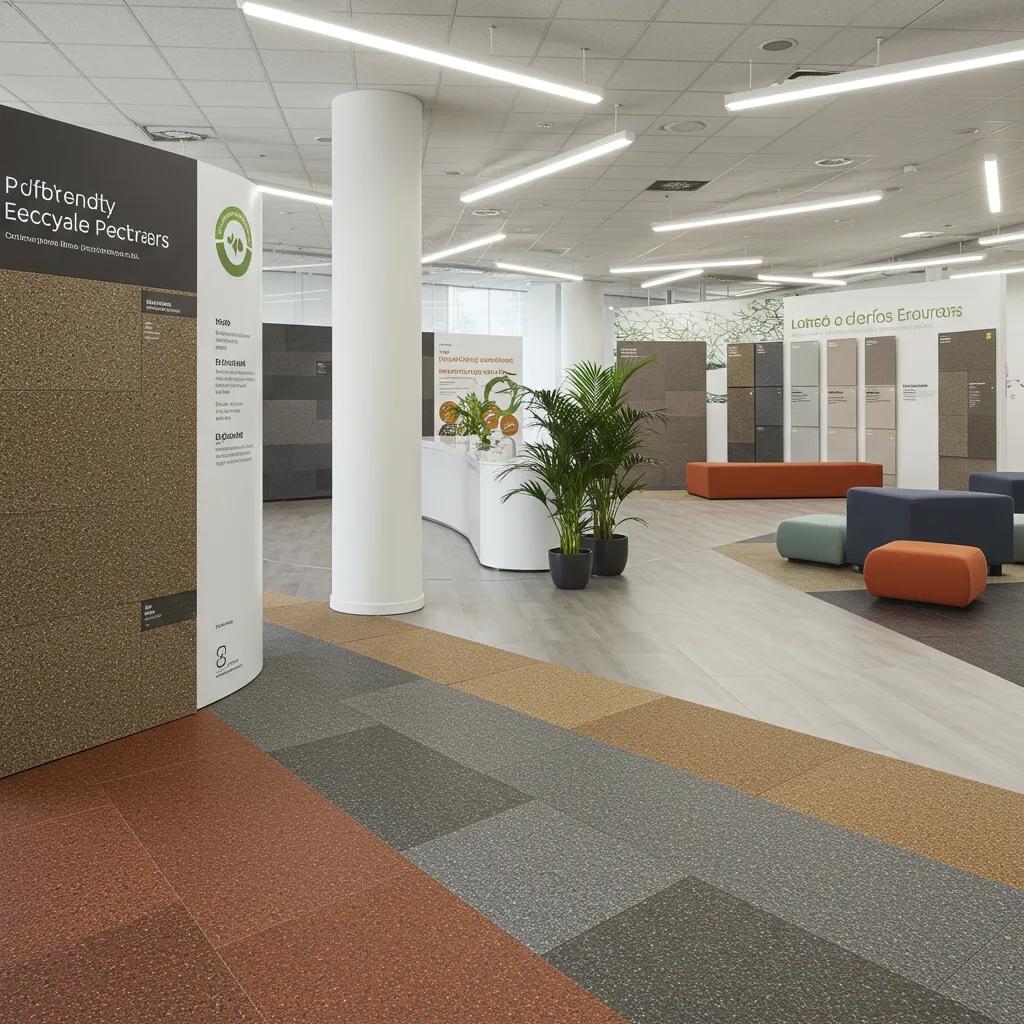
Sustainability is becoming a major factor in purchasing decisions as businesses aim for green certifications and reduced environmental footprints. Vinyl and rubber flooring made with recycled content helps divert waste from landfills and can contribute to LEED and BREEAM ratings. Low-VOC adhesives and sealants improve indoor air quality and meet health and safety regulations. Polished concrete utilises existing structural slabs, minimising material waste and reducing the embodied carbon associated with new installations. Opting for sustainable features ensures your affordable flooring demonstrates environmental responsibility while remaining cost-effective.
Now that you have a clear understanding of these fundamental factors, let's move on to comparing how leading budget-friendly materials perform.
How Do Different Affordable Commercial Flooring Materials Stack Up?
To compare flooring options effectively, we need to look at their cost, durability, maintenance requirements, and suitability for various applications. The table below provides a summary of five popular budget-friendly choices.
This overview highlights how each material balances initial cost, resilience, and upkeep. Next, we'll delve into the specific advantages and disadvantages of each option.
What Are the Pros and Cons of Commercial Vinyl Flooring (LVT, LVP, Sheet Vinyl)?
Commercial vinyl flooring offers excellent water resistance, is easy to clean, and comes in a wide range of realistic designs, all at a moderate price point.
Pros:
- High resistance to abrasion ensures a long service life.
- Waterproof construction protects against moisture damage.
- A wide variety of styles can be chosen to match branding needs.
Cons:
- Can be susceptible to damage from very heavy equipment.
- Requires professional seam sealing to guarantee water-tight performance.
- May emit odours if not installed correctly.
Vinyl flooring's combination of durability and design flexibility makes it a top choice for busy corridors and educational settings, setting a high standard for cost-effective resilience.
How Does Commercial Laminate Flooring Perform in High-Traffic Business Areas?
Laminate flooring provides the look of real wood with a protective overlay that resists scratches.
Pros:
- Offers an attractive wood-grain appearance at a lower cost than genuine timber.
- Click-lock installation system allows for quick and clean fitting.
- Individual planks can be easily replaced if damaged.
Cons:
- Vulnerable to moisture damage if joints are not properly sealed.
- Can show wear in heavily trafficked areas over time.
- Offers limited sound dampening without an appropriate underlay.
Laminate flooring presents a compelling aesthetic for offices and retail spaces but requires careful attention to moisture control to prevent accelerated wear.
Why Choose Rubber Flooring for Affordable Gym and Athletic Facilities?
Rubber flooring provides exceptional shock absorption and safety, making it ideal for active environments.
Pros:
- Superior impact absorption protects joints and equipment.
- Natural slip resistance significantly reduces the risk of falls.
- Modular tiles allow for quick and simple repairs.
Cons:
- Its weight can make installation more complex.
- Offers fewer design patterns compared to vinyl.
- May have a slight rubber odour when first installed.
Rubber flooring's blend of resilience, safety, and ease of maintenance makes it a preferred budget solution for fitness centres and sports halls.
Research indicates that rubber flooring is a favoured option for commercial gyms due to its excellent shock absorption, which safeguards joints and equipment, and its superior slip resistance, enhancing safety. Furthermore, its durability allows it to withstand heavy foot traffic and equipment use, while its sound-insulating qualities contribute to a quieter workout environment. (carpetrends.com)
What Are the Benefits and Costs of Commercial Epoxy Flooring?
Epoxy coatings create seamless, chemical-resistant surfaces that are perfect for industrial settings or areas prone to spills.
Pros:
- High resistance to chemicals and stains makes cleaning straightforward.
- The monolithic finish eliminates grout lines where dirt can accumulate.
- A reflective surface can enhance lighting in the space.
Cons:
- Professional surface preparation can be labour-intensive.
- Can discolour or yellow when exposed to UV light.
- Repairs often require recoating the entire affected section.
The durability and ease of sanitation offered by epoxy flooring justify its higher installation cost in demanding environments like warehouses and commercial kitchens.
When Is Polished Concrete the Best Budget Flooring Option?
Polished concrete leverages existing concrete slabs to create a minimalist, highly durable floor finish.
Pros:
- Offers the lowest material cost among all options.
- Provides extremely high resistance to heavy loads.
- Requires minimal maintenance, with periodic resealing recommended.
Cons:
- Its hardness can lead to increased fatigue for those standing on it for long periods.
- Design options are limited unless dyes or overlays are used.
- Repaired cracks may be visible if not expertly patched.
Polished concrete's exceptional lifespan and low lifecycle cost make it an outstanding value choice for large open areas and industrial settings.
After comparing the attributes and trade-offs of different materials, let's focus on matching these surfaces to the specific needs of various facilities.
Which Affordable Flooring Materials Are Best Suited for Specific Commercial Facilities?
Different environments require tailored flooring solutions to maximise performance, safety, and cost-effectiveness. Understanding the unique demands of each facility is key to selecting the right material.
What Makes Rubber Flooring Ideal for Athletic Facilities and Fitness Centres?
Rubber flooring excels in athletic environments by absorbing impact, reducing noise, and preventing slips.
- Shock absorption: Protects joints and equipment during high-impact activities.
- Noise reduction: Helps to dampen the sound of footsteps and machinery in busy gyms.
- Safety compliance: Meets R11 slip-resistance standards, ensuring safety in both wet and dry conditions.
These qualities ensure that training spaces remain safe, quiet, and durable under constant, heavy use, making rubber the top choice for sports facilities.
Why Is Vinyl Flooring Recommended for Schools and Universities?
Vinyl flooring offers robust durability, is easy to clean, and provides acoustic benefits suitable for educational environments.
- Scratch and scuff resistance: Withstands the heavy foot traffic found in corridors and classrooms.
- Moisture protection: Prevents damage from spills in areas like dining halls or science labs.
- Acoustic underlay options: Help to reduce noise in hallways and improve focus in learning environments.
Vinyl's low maintenance requirements and diverse design options allow schools to maintain clean, vibrant interiors without exceeding tight budgets.
How Do LVT and Laminate Flooring Meet the Needs of Commercial Offices and Retail Spaces?
LVT and laminate flooring offer realistic aesthetics, comfort, and straightforward maintenance for professional and retail settings.
- Design versatility: Available in wood, stone, or textured finishes to complement brand identities.
- Quick installation: Click-lock systems minimise disruption and downtime during fit-outs.
- Replaceable segments: Individual planks or tiles can be easily swapped out without needing to replace the entire floor.
This combination of style, speed of installation, and ease of service makes luxury vinyl and laminate top budget-friendly options for office lobbies and shop floors.
What Are the Best Budget Flooring Solutions for Industrial and Warehouse Environments?
Industrial settings require flooring that can withstand abrasion, chemicals, and heavy machinery.
- Epoxy flooring: Provides seamless, chemical-resistant protection suitable for food processing and manufacturing areas.
- Polished concrete: Offers unparalleled load-bearing capacity for forklifts and storage racks.
Combining epoxy coatings in areas prone to spills with polished concrete in high-traffic aisles provides a balance of performance and lifecycle cost across large warehouse floors.
Matching material strengths to facility requirements maximises value and minimises disruptions. Next, you'll learn how to assess total cost and ROI beyond the initial purchase price.
How Can You Evaluate the True Cost and ROI of Affordable Commercial Flooring?
When evaluating flooring investments, it's essential to consider upfront costs, ongoing maintenance, replacement cycles, and installation expenses. A lifecycle cost analysis will reveal which option offers the best value over time.
What Is Lifecycle Cost Analysis and Why Is It Important for Commercial Flooring?
Lifecycle cost analysis calculates the total cost of ownership by summing up expenses for material purchase, installation, maintenance, cleaning, and eventual replacement. By looking at these aggregated figures rather than just the initial price, facility managers can choose flooring that minimises long-term expenditure and downtime.
An independent study comparing the life-cycle costs of 18 different flooring types in a typical office building over a 75-year period found that initial purchase cost alone does not reflect true long-term value. The analysis, conducted according to ASTM E917-17, revealed that materials like ceramic tile often have lower overall costs due to reduced replacement and maintenance needs, while some vinyl and epoxy options can be more expensive over the building's lifespan.
Lifecycle analysis helps guide purchasing decisions towards options that offer the lowest total cost per year of service, ensuring budget predictability and maximising ROI.
How Do Installation Costs Affect Your Budget for Commercial Budget Flooring Options?
Installation expenses vary depending on the complexity of the material, the required site preparation, and local labour rates. Systems that rely on adhesives, such as sheet vinyl and epoxy, often require skilled tradespeople for subfloor priming and seam sealing, increasing labour costs. Loose-lay or click-lock products like LVT and laminate typically use less adhesive and can reduce installation time. Polished concrete may require mechanical grinding and professional sealing but utilises existing slabs, potentially lowering material transport costs. Including installation costs in your budget prevents unexpected overruns and leads to more accurate project estimates.
Why Does Long-Term Durability Offer Better Value Than Upfront Price?
Investing in a higher-performing flooring product can lead to fewer maintenance interventions, less downtime, and less frequent replacements. For instance, a slightly higher cost per square metre for epoxy or rubber might provide 10–15 years of service life compared to 5–7 years for basic vinyl. Over two decades, the more durable option could cost 20–30% less per year of use, demonstrating that initial savings can sometimes mask higher ongoing expenses.
How Can Professional Installation Improve Flooring Longevity and ROI?
Certified installers ensure proper subfloor preparation, correct material handling, and accurate application of adhesives or interlocking systems. This prevents premature issues like bubbling, delamination, or joint separation. Expert fitting also reduces the risk of moisture intrusion and uneven wear, helping to maintain warranty coverage and protect your investment. Engaging professional installation services, like those provided by SPSurfacing, results in a superior finish that maintains its performance and appearance for longer than expected.
With a thorough understanding of lifecycle costs and ROI, let's address the most common questions facility managers have about budget-friendly flooring.
What Are the Most Common Questions About Affordable Commercial Flooring?
Facility owners often seek straightforward advice on cost-effective, durable flooring solutions. Here are direct answers to frequently asked questions to help streamline your decision-making process.
What Is the Cheapest Durable Commercial Flooring for High-Traffic Areas?
For areas with heavy use, polished concrete is the most economical and durable choice. With material costs as low as £5/m² and minimal maintenance over decades, it offers unbeatable total cost savings.
How Much Does Commercial Vinyl Flooring Cost Per Square Metre in the UK?
Commercial vinyl flooring typically ranges from £15 to £30 per square metre, depending on its quality, thickness, and backing. Professional installation can add an additional £10–£15/m².
Is Laminate Flooring Suitable for Schools and Educational Facilities?
Laminate can be a good option for classrooms and offices with low moisture levels, thanks to its scratch resistance and easy click-lock installation. However, areas prone to moisture, such as dining halls or laboratories, are better suited to vinyl flooring.
What Are the Pros and Cons of Rubber Flooring for Gyms?
Rubber flooring offers excellent shock absorption and slip resistance, which helps reduce the risk of injuries. While its initial material cost is higher, this is offset by minimal maintenance requirements and an extended service life in athletic settings.
How Do You Choose the Best Commercial Flooring on a Budget?
Balance lifecycle cost, maintenance demands, and safety features. Evaluate your facility's traffic levels, potential moisture exposure, and aesthetic goals, then select the material that provides the lowest total cost of ownership over your required service life.
Now that common queries have been clarified, let's explore how SPSurfacing simplifies these choices for commercial clients.
How Does SPSurfacing Provide Tailored Affordable Flooring Solutions for Commercial Clients?
SPSurfacing combines extensive industry knowledge with a client-centric approach to deliver budget-friendly, high-performance flooring that meets each facility's specific needs. From the initial consultation through to flawless installation, our process ensures maximum value and minimal disruption.
What Expert Consultation Services Does SPSurfacing Offer for Flooring Selection?
Our flooring consultants perform on-site assessments to analyse traffic patterns, moisture levels, and design preferences. They provide detailed cost-benefit comparisons and sustainability evaluations, guiding clients toward the optimal material selection based on performance data and budget constraints.
How Does SPSurfacing Ensure Professional Installation for Long-Lasting Floors?
SPSurfacing's certified installers meticulously prepare subfloors, accurately apply industry-approved adhesives or interlocking systems, and conduct quality checks at every stage. This expertise helps preserve material warranties and extends the service life of your flooring, safeguarding your investment.
Which Commercial Flooring Materials Does SPSurfacing Specialise In?
We specialise in the full range of affordable commercial flooring options: vinyl (LVT, LVP, sheet), laminate, rubber tiles, epoxy coatings, and polished concrete. Our product partners offer low-VOC and recycled-content materials to help you meet your sustainability objectives.
How Has SPSurfacing Helped Athletic Facilities, Schools, and Fitness Centres Save Costs?
In a recent gym renovation at a regional university, we replaced worn timber floors with rubber interlocking tiles. This resulted in a 40% reduction in annual maintenance costs and extended the floor's lifespan by eight years. For schools, our vinyl installations decreased cleaning labour by 30% and contributed to earning green building credits due to their recycled content.
By utilising specialised expertise and professional installation, SPSurfacing helps transform budget limitations into high-value flooring outcomes. Next, we'll look at emerging trends and innovations shaping the future of affordable commercial flooring.
What Are the Latest Trends and Innovations in Affordable Commercial Flooring?
The commercial flooring industry is constantly evolving with new materials and technologies that enhance performance, sustainability, and user comfort without increasing costs.
How Is Sustainability Shaping Affordable Commercial Flooring Choices?
Manufacturers are increasingly using recycled PVC, rubber crumb, and bio-based binders to reduce environmental impact while maintaining material strength. Certifications like FloorScore and Cradle-to-Cradle confirm low-VOC emissions and circularity, helping businesses meet eco-standards affordably.
Why Are Modular Flooring Systems Gaining Popularity in Commercial Spaces?
Interlocking tile systems made from vinyl and rubber allow for rapid installation, tool-free repairs, and easy reconfiguration of spaces. This flexibility reduces labour costs and waste, supporting dynamic layouts in offices, gyms, and retail environments.
How Does Acoustic Performance Influence Flooring Selection for Schools and Offices?
Acoustic backing layers and underlays integrated into LVT and carpet tile systems help to reduce airborne and impact noise. This improves concentration in open-plan offices and minimises reverberation in classrooms, all while fitting within modest budgets.
What Safety and Hygiene Features Are Essential in Modern Commercial Flooring?
Smooth, seamless surfaces with built-in antimicrobial agents and water-resistant seals simplify cleaning protocols and ensure compliance with hygiene regulations. Enhanced slip-resistance features and quick-drying coatings further protect occupants in high-risk areas like corridors and washrooms.
As innovations continue to emerge, sustainable, modular, and safety-focused solutions will define the next generation of affordable commercial flooring.
Whether you're selecting flooring for a gym, school, office, or warehouse, understanding the core selection factors, material characteristics, and true lifecycle costs will empower you to make confident, budget-friendly decisions. SPSurfacing is ready to guide your project from consultation to installation—transform your facility with durable, cost-effective flooring today.