
Keeping Your Noise-Reducing Floors Quiet: A Complete Guide to Acoustic Sports Flooring Maintenance and Repair
Noise-reducing floors bring welcome tranquility to bustling sports halls, gyms, playgrounds, and commercial spaces by effectively absorbing impact noise and minimizing airborne sound. For facility managers, the key challenge is to maintain these acoustic advantages while ensuring the surfaces remain safe, durable, and compliant. This guide will walk you through the fundamentals of acoustic flooring, provide step-by-step instructions for cleaning and repairing rubber and synthetic surfaces, outline best practices for playground surfacing, detail maintenance routines for multi-use sports halls, and offer advice on selecting the right products. SP Surfacing’s deep expertise in sports and playground surfacing informs every recommendation, helping you safeguard your investment and maximize noise reduction.
What Exactly Are Noise-Reducing Floors and What Acoustic Benefits Do They Offer?
Noise-reducing floors are sophisticated systems designed to absorb impact energy and dampen vibrations, thereby lowering decibel levels in active environments. By integrating resilient materials with specialized underlayment designs, these surfaces transform shock impacts into distributed forces, significantly reducing footfall noise, dropped equipment sounds, and echo. In sports and leisure venues, acoustic flooring not only enhances user comfort but also protects the underlying subfloors and extends the overall structural lifespan of the facility.
How Do Rubber and Synthetic Materials Effectively Reduce Impact Noise?
Rubber and synthetic compounds work to reduce noise by converting kinetic energy into heat within their internal cellular structures. High-density EPDM rubber mats and closed-cell polyurethane layers compress under pressure and then rebound slowly, effectively dampening vibrations. This mechanism can decrease peak sound levels from dropped weights by as much as 15 dB, helping to protect hearing and minimize disruptions in adjacent areas.
How Rubber Flooring Enhances Noise Reduction in Gyms and Offices
Rubber flooring, with its dense and elastic structure, is highly effective at absorbing impact and vibration, thereby reducing both airborne and impact noise. This characteristic makes it a preferred material for noise control in active environments like gyms and offices, contributing to improved focus and productivity by minimizing disturbances from activities such as dropped weights and machine operation.
This research directly supports the article's explanation of how rubber and synthetic materials reduce impact noise and the overall acoustic benefits in sports and commercial facilities.
What Types of Acoustic Flooring Are Commonly Found in Sports and Play Facilities?
The primary types of acoustic flooring differ based on their material composition, sound reduction ratings (dB), and intended applications:
This comparison highlights how each material balances shock absorption, noise reduction capabilities, and installation depth, providing valuable guidance for selecting the right option for various facility needs.
Innovative Acoustic Solutions in the Rubber Sports Flooring World
Multi-layer rubber sports flooring systems are engineered to deliver both athletic and acoustic performance, utilizing various densities of elastomers to achieve effective vibration isolation and sound dampening. These specialized systems are crucial for creating optimal training surfaces that require extreme soundproofing and shock absorption, particularly in mixed-use buildings where noise transmission to adjacent spaces is a concern.
This information reinforces the article's discussion on the engineering of noise-reducing floors and the role of resilient materials and specific designs in achieving acoustic benefits in sports and multi-use facilities.
Why Is It Crucial to Maintain Acoustic Performance for Floor Longevity?
Preserving the acoustic performance of your flooring is essential to prevent material fatigue and delamination. Regular maintenance helps remove abrasive grit and stops moisture from seeping in, which can stiffen elastomeric layers and degrade bonding agents. By maintaining the acoustic integrity through consistent cleaning and prompt repairs, you safeguard both the soundproofing function and the overall resilience of the surface.
How Should You Clean and Maintain Rubber Gym Flooring to Maximize Noise Reduction?
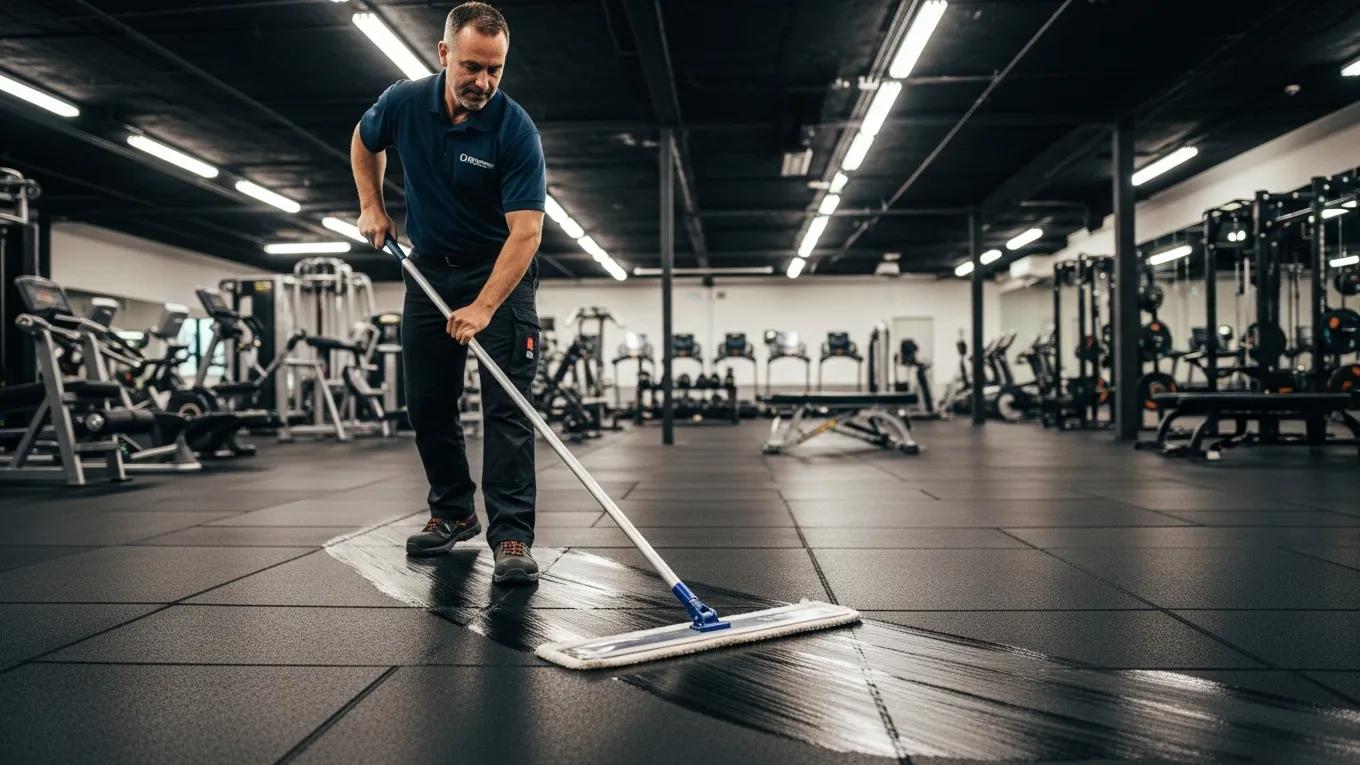
Consistent care for rubber gym floors is vital for preserving their shock-damping cells and maintaining their noise-reducing capabilities. A proactive maintenance schedule helps prevent abrasion, chemical damage, and micro-tearing.
What Are the Essential Daily Cleaning Steps for Rubber Gym Floors?
Keep your rubber gym floor free of debris with daily routines that avoid harsh scrubbing:
- Sweep or use a soft-bristle push broom to gather loose particles.
- Vacuum using a setting without a beater brush to effectively capture fine dust.
- Address spills immediately by spot-cleaning with a damp microfiber mop and a pH-neutral detergent.
These straightforward steps help prevent surface wear and keep the acoustic qualities intact, seamlessly leading into more thorough sanitation procedures.
When and How Should Deep Cleaning and Sanitization Be Carried Out?
Deep cleaning should be performed monthly or after periods of heavy use, incorporating both machine scrubbing and targeted disinfection:
- Apply a diluted, approved, non-toxic cleaner.
- Utilize an auto-scrubber equipped with soft pads to agitate and lift ingrained dirt.
- Rinse the floor thoroughly with clean water and allow it to dry completely before allowing access.
- Sanitize high-traffic areas by spraying and wiping with a mild disinfectant that is compatible with rubber.
This comprehensive approach ensures a hygienic environment without compromising the floor's elastomeric resilience.
Which Cleaning Products and Equipment Are Ideal for Acoustic Rubber Floors?
Effective cleaning for rubber surfaces requires the right tools and products:
- pH-neutral detergents specifically formulated for elastomeric surfaces.
- Microfiber mops designed to trap dirt effectively without causing scratches.
- Auto-scrubbers fitted with soft, non-abrasive pads.
- Wet/dry vacuum systems for controlled water removal.
Selecting the appropriate equipment streamlines the maintenance process and helps protect the acoustic performance of your floors over the long term.
How Does Regular Cleaning Help Prevent Damage to Acoustic Floors?
Consistently removing debris and contaminants prevents the formation of surface pits and tears that can interfere with vibration dampening. By addressing abrasive particles and chemical residues promptly, routine cleaning helps maintain the integrity of the elastomeric cells, ensuring ongoing noise reduction and avoiding the need for costly repairs.
What Are the Best Practices for Maintaining and Repairing Acoustic Playground Surfacing?
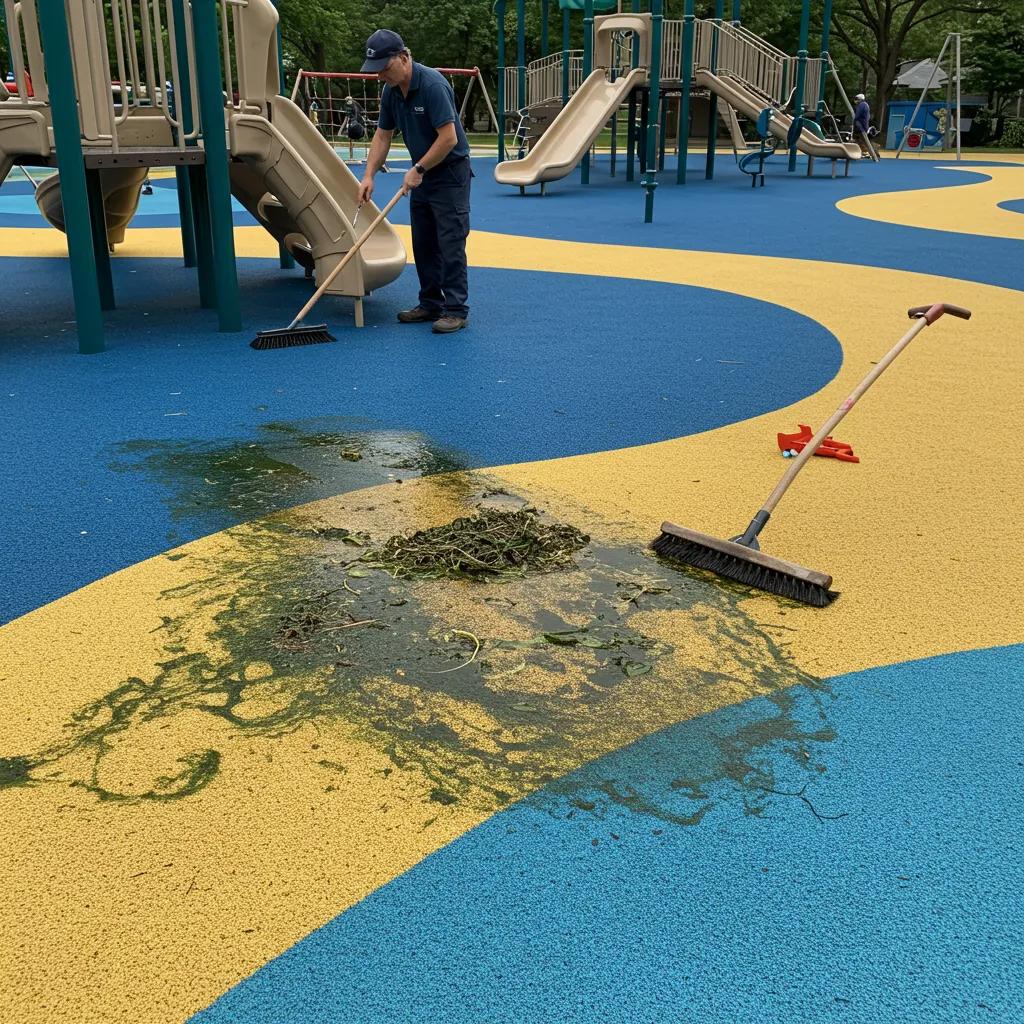
Playground surfaces made from wet pour and rubber mulch demand meticulous upkeep to ensure both safety and acoustic dampening capabilities. Proactive care is essential to prevent injury risks and preserve the sound-absorbing qualities of these surfaces.
How Do You Effectively Maintain Wet Pour and Rubber Mulch Playground Surfaces?
A structured maintenance program should include the following:
- Conduct weekly inspections for debris, algae growth, and any displacement of infill material.
- Gently sweep loose rubber granules back into their proper positions.
- Use a low-pressure power rinse to remove dirt without damaging the surface binder.
- Apply a UV-resistant sealant annually to stabilize rubber particles and protect the acoustic cushioning.
This consistent regimen keeps the surfacing resilient, safe, and acoustically effective for children.
What Repair Techniques Are Best for Preserving Acoustic and Safety Properties?
When damage occurs, repair methods must closely replicate the original material characteristics:
- Carefully cut out any damaged sections of wet pour surfacing and level the surrounding edges.
- Mix a matching EPDM rubber compound with binder, apply it in layers, and texture it to blend seamlessly.
- Re-compact loose rubber mulch using a plate compactor set to a low impact level.
- Seal perimeter seams with a compatible adhesive to maintain effective vibration control.
These precise techniques restore both the noise-reduction capabilities and the crucial fall-protection features of the playground surface.
How Often Should Playground Safety Surfaces Be Inspected?
Formal inspections should be conducted quarterly and following any significant weather events. During these inspections, check for:
- Surface cracks that exceed 3 mm in width.
- Loose granules that go beyond established safety tolerances.
- Signs of binder degradation, such as powdering.
Regular audits help prevent minor issues from becoming major problems and ensure the continuous acoustic function of the playground surface.
How Can Sports Halls and Multi-Use Facilities Best Maintain Their Acoustic Floors?
Sports halls featuring vinyl or synthetic flooring rely on consistent cleaning, effective drainage management, and surface preservation to maintain optimal bounce, grip, and noise control. A systematic approach ensures all these attributes remain balanced.
What Cleaning Protocols Are Suitable for Vinyl and Synthetic Sports Hall Floors?
The most effective cleaning for vinyl and synthetic surfaces involves:
- Dust-mopping the floor before any wet cleaning to remove loose debris.
- Using neutral pH floor cleaners, diluted according to the manufacturer's instructions.
- Applying a microfiber flat mop or using a low-speed oscillating scrubber.
- Buffing the surface with a soft pad to restore slip resistance and enhance its appearance.
These steps are crucial for preserving both the acoustic underlay and the performance of the surface itself.
How Is Grip and Shock Absorption Maintained During Floor Care?
You can preserve the functional traction and cushioning of your sports floor by:
- Avoiding wax or oil-based treatments that can clog the open cells of the flooring.
- Rotating the types of scrub pads used to prevent uneven wear patterns.
- Scheduling deep cleaning treatments during off-peak hours to allow for complete restoration of the surface.
Maintaining these essential functional properties is key to ensuring user safety and consistent noise-control performance.
When Is Refurbishment Necessary to Restore Acoustic Performance?
Refurbishment becomes a necessary consideration when:
- The measured dB reduction falls below the original specified levels.
- Surface wear patterns become so pronounced that they expose the subfloor or underlayment.
- Repeated minor repairs prove insufficient to effectively seal seams or cracks.
At this point, engaging professional services to re-lay the underlayment or apply specialized resurfacing coatings is the best way to re-establish the floor's acoustic ratings.
What Are Effective Repair Techniques for Damage to Noise-Reducing Floors?
Specialized repair techniques are essential for maintaining the soundproofing integrity and safety compliance of noise-reducing floors. Precision and careful material matching are critical for successful repairs.
How Do You Identify and Repair Cracks, Tears, and Seam Lifting?
A thorough visual and tactile inspection will help identify:
- Cracks that are deeper than 2 mm, which can allow moisture to penetrate.
- Tears with frayed edges that compromise impact absorption capabilities.
- Seam lifting, indicating that the adhesive has begun to degrade.
The repair process involves these steps:
- Thoroughly clean and dry the affected area.
- Inject a flexible polyurethane adhesive beneath any lifted seams.
- Fill cracks with a matching filler compound, ensuring it is smoothed flush with the surface.
- Reinforce tears by applying an EPDM patch adhered under pressure.
These actions are vital for restoring the continuity of the damping layers and preventing any sound leaks.
When Should Professional Repair Services Be Brought In?
It's advisable to engage specialists when:
- The extent of the damage covers an area larger than 1 m².
- Repairs require specialized techniques such as heat-welding or unique bonding methods.
- Structural underlayments need to be realigned or repaired.
Professional intervention ensures that the full acoustic performance is restored and that warranty compliance is maintained.
How Does Proper Repair Help Maintain Soundproofing and Safety Standards?
Effective repairs successfully reinstate continuous shock-damping layers, effectively eliminating pathways for vibration and ensuring that impact noise remains within the designed thresholds. Restored surfaces not only comply with safety standards but also provide sustained protection for users.
Which Cleaning Products and Equipment Are Recommended for Acoustic Floor Care?
Choosing the right cleaning products and tools is key to maximizing cleaning efficiency and protecting the acoustic layers from potential chemical or mechanical damage.
Why Are pH-Neutral Detergents the Preferred Choice for Acoustic Flooring?
pH-neutral cleaners are essential for maintaining the flexibility of elastomeric materials and preventing polymer degradation. They avoid issues like alkaline-induced swelling or acid-driven stiffness, thereby preserving the noise-reduction properties and extending the service life of the flooring.
What Are the Best Tools for Cleaning Noise-Reducing Floors?
Effective maintenance relies on using the following tools:
- Microfiber mops that excel at trapping dust without causing scratches.
- Soft-pad auto-scrubbers for thorough deep agitation.
- Low-pressure washers equipped with fan nozzles, particularly for playground surfaces.
- HEPA-filtered vacuums to prevent the buildup of fine particulate matter.
Selecting these specialized tools ensures a comprehensive clean without compromising the acoustic performance of the flooring.
How Do Eco-Friendly Cleaners Support Acoustic Floor Maintenance?
Environmentally friendly cleaning formulations minimize chemical residues that could potentially harden rubber or vinyl cells. Biodegradable surfactants rinse away cleanly, protecting the adhesives used in underlayments and helping to sustain long-term noise control performance.
What Are Some Common FAQs About Maintaining Noise-Reducing Floors?
Facility managers frequently seek clarification on key maintenance concerns:
- Maintenance Frequency: What are the optimal intervals for daily sweeping, weekly washing, and monthly deep cleaning to best preserve acoustic function?
- Cleaner Compatibility: What criteria should be used when selecting pH-neutral detergents and avoiding solvents that could damage elastomeric layers?
- Repair Priorities: How do you decide when to patch cracks, re-seal seams, or engage professional resurfacing services?
- Noise Mitigation Strategies: What techniques can be employed to further reduce equipment-related impact noise beyond standard cleaning and repairs?
Addressing these specific areas helps teams implement consistent maintenance schedules, choose the most appropriate products, and protect acoustic performance without unnecessary interruptions.
Consistent maintenance, timely repairs, and informed product selections form the bedrock of effective noise-reducing floor care. By adhering to these established protocols, facility managers can ensure enduring acoustic benefits, maintain user safety, and extend the lifespan of their valuable investment. For complex repairs and to optimize maintenance schedules for any facility type, trust in specialist services. Diligent attention to cleaning, inspection, and refurbishment will keep noise levels under control and deliver reliable performance day in and day out.