
Professional Tennis Court Resurfacing & Repair Services: Comprehensive Solutions and Cost Insights
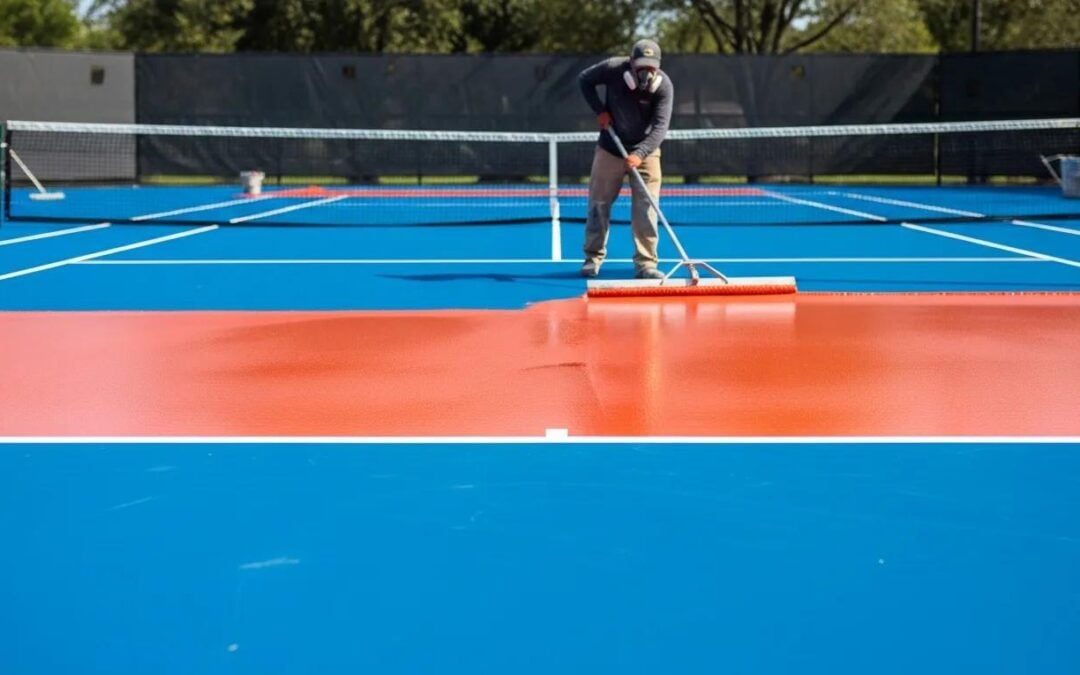
Professional tennis court resurfacing and repair services are essential for maintaining the quality and longevity of tennis courts. These services involve a series of specialized techniques aimed at restoring the court's surface to ensure optimal performance and safety for players. Understanding the intricacies of resurfacing, including the materials used and the preparation techniques, can significantly enhance the durability and playability of the court. This article will delve into the essential surface preparation techniques, the factors influencing resurfacing material choices, and the costs associated with professional tennis court repair services. Additionally, we will explore maintenance tips to prolong the life of your tennis court.
The fundamental impact of court surfaces on player experience and safety is further emphasized by studies examining the mechanical properties of various tennis court materials.
Tennis Court Surface Mechanics: Performance, Safety & Material Properties
Tennis is a sport in which the surface plays an important role in performance and injury risk. The objective of this study was to mechanically evaluate shock absorption, vertical deformation, energy restitution and slip resistance in different types of tennis surfaces, compare them with each other and look for correlations between variables. Thirty-six tennis courts (12 hard court, 16 clay, 8 artificial grass) were evaluated. All variables differed significantly between surfaces (p< 0.001).
Mechanical properties influencing athlete–surface interaction on tennis court surfaces, E Colino, 2024
What Are the Essential Surface Preparation Techniques for Tennis Court Resurfacing?
Surface preparation is a critical step in the tennis court resurfacing process, ensuring that the new surface adheres properly and performs optimally. Key techniques include sanding or abrading existing wear layers, applying a primer, and adding coating layers. These methods help to create a smooth, even base that enhances the longevity of the new surface.
How Does Proper Surface Preparation Enhance Court Durability and Performance?
Proper surface preparation significantly enhances court durability and performance by ensuring that the new surface adheres effectively to the existing substrate. This process improves safety by reducing the risk of slips and falls, enhances performance by providing a consistent playing surface, and extends the lifespan of the court. Courts that undergo thorough preparation are less likely to develop issues such as cracking or peeling, which can disrupt play and require costly repairs.
Which Materials Are Used in Surface Preparation: Asphalt vs. Acrylic?
When it comes to surface preparation, two primary materials are commonly used: asphalt and acrylic. Asphalt is known for its durability and cost-effectiveness, making it a popular choice for many facilities. On the other hand, acrylic surfaces offer superior aesthetic appeal and slip resistance, which can enhance player experience. Each material has its pros and cons, and the choice often depends on specific needs and budget considerations.
How to Choose the Right Resurfacing Material for Your Tennis Court?
Selecting the appropriate resurfacing material for your tennis court is crucial for achieving the desired performance and longevity. Factors to consider include the type of surface, durability, cost, and specific performance needs of the players.
What Are the Benefits and Drawbacks of Asphalt Tennis Court Resurfacing?
Asphalt tennis court resurfacing offers several benefits, including enhanced safety due to its shock-absorbing properties and improved performance through a consistent playing surface. However, it may require more frequent maintenance compared to other materials, and its aesthetic options are somewhat limited. Understanding these factors can help in making an informed decision.
Why Opt for Acrylic Tennis Court Resurfacing: Features and Longevity?
Acrylic tennis court resurfacing is favored for its durability and aesthetic appeal. It provides excellent slip resistance and can be customized in various colors, enhancing the visual aspect of the court. Additionally, acrylic surfaces tend to have a longer lifespan with proper maintenance, making them a worthwhile investment for many facilities.
Further research highlights innovative approaches to acrylic resurfacing, incorporating sustainable materials for enhanced performance and environmental benefits.
Sustainable Tennis Court Resurfacing: Acrylic, Rubber & Rice Husk Materials
This study explores a sustainable court surface system using styrene acrylic emulsion (SAE) and styrene butadiene rubber (SBR) binders combined with waste rubber powder (WRP) to develop cushioning layers that reduce surface impact. A pure acrylic top coat, reinforced with rice husk (RH), was formulated to improve slip resistance, abrasion durability, and UV stability on the cushions. The developed multilayer system is suited for indoor and outdoor multipurpose sports courts; such as those used for basketball and tennis where durability, shock absorption, and environmental sustainability are essential.
Sustainable court surfaces using emulsion-waste rubber cushions and acrylic-rice husk top coatings, AM Khalil, 2025
What Factors Influence Tennis Court Repair Costs?
Several factors influence the costs associated with tennis court repairs, including the choice of materials, the condition of the existing surface, and labor costs. Understanding these elements can help in budgeting for necessary repairs and maintenance.
How Does Tennis Court Crack Repair Affect Overall Resurfacing Expenses?
Tennis court crack repair can significantly impact overall resurfacing expenses. Addressing cracks before resurfacing is essential to prevent further damage and ensure a smooth surface. While it may add to initial costs, timely crack repair can save money in the long run by avoiding more extensive repairs later.
What Are Typical Cost Ranges for Professional Tennis Court Resurfacing Services?
The cost of professional tennis court resurfacing services can vary widely based on several factors, including the type of material used and the extent of repairs needed. Typically, resurfacing costs can range from $2,500 to $10,000, depending on the specific requirements of the project. Understanding these cost ranges can help facility managers plan their budgets effectively.
Which Tennis Court Repair Services Are Critical for Maintaining Court Integrity?
Maintaining the integrity of a tennis court requires regular inspections and timely repairs. Key services include routine inspections, crack filling, and surface repair, all of which contribute to the longevity and safety of the court.
Indeed, comprehensive studies underscore the critical role of diligent maintenance and repair in ensuring both court longevity and player safety.
Tennis Court Maintenance, Repair & Safety Management
This study aims to conduct a comprehensive literature review on tennis court facility management, focusing on three main aspects: maintenance, utilization, and user safety. The study results indicate that surface maintenance, including routine cleaning, crack repair, and improved drainage, is a key factor in maintaining court durability. Meanwhile, user safety is significantly affected by surface conditions, lighting, and court level, with most injuries associated with slippery or uneven surfaces.
Tennis Court Facility Management: Maintenance, Utilization, and
Safety, A Muhara, 2025
When Is Tennis Court Crack Repair Necessary and How Is It Performed?
Tennis court crack repair is necessary when visible cracks appear, as they can lead to further damage if left unaddressed. The repair process typically involves cleaning the crack, applying a filler material, and ensuring a smooth finish to maintain the court's surface integrity. Timely repairs are crucial to prevent more extensive damage and costly repairs.
What Tailored Repair Solutions Does SP Surfacing Provide for Commercial Courts?
SP Surfacing specializes in providing tailored repair solutions for commercial tennis courts, focusing on high-quality surface preparation and repair services. Their expertise ensures that courts are restored to optimal playing conditions, enhancing both safety and performance for users.
How to Maintain Your Tennis Court After Resurfacing for Long-Term Performance?
Proper maintenance is essential for preserving the quality of a tennis court after resurfacing. Regular cleaning, routine inspections, and timely repairs can significantly extend the life of the court.
What Are Best Practices for Tennis Court Surface Maintenance?
Best practices for tennis court surface maintenance include regular cleaning to remove debris, periodic inspections to identify potential issues, and prompt repairs to address any damage. Implementing these practices can help maintain the court's performance and appearance over time.
How Often Should a Tennis Court Be Resurfaced to Preserve Quality?
The frequency of resurfacing a tennis court depends on several factors, including usage, climate, and the type of surface material. Generally, courts should be resurfaced every 5 to 10 years to preserve quality and ensure optimal playing conditions. Regular maintenance can help extend this timeline, reducing the need for frequent resurfacing.