
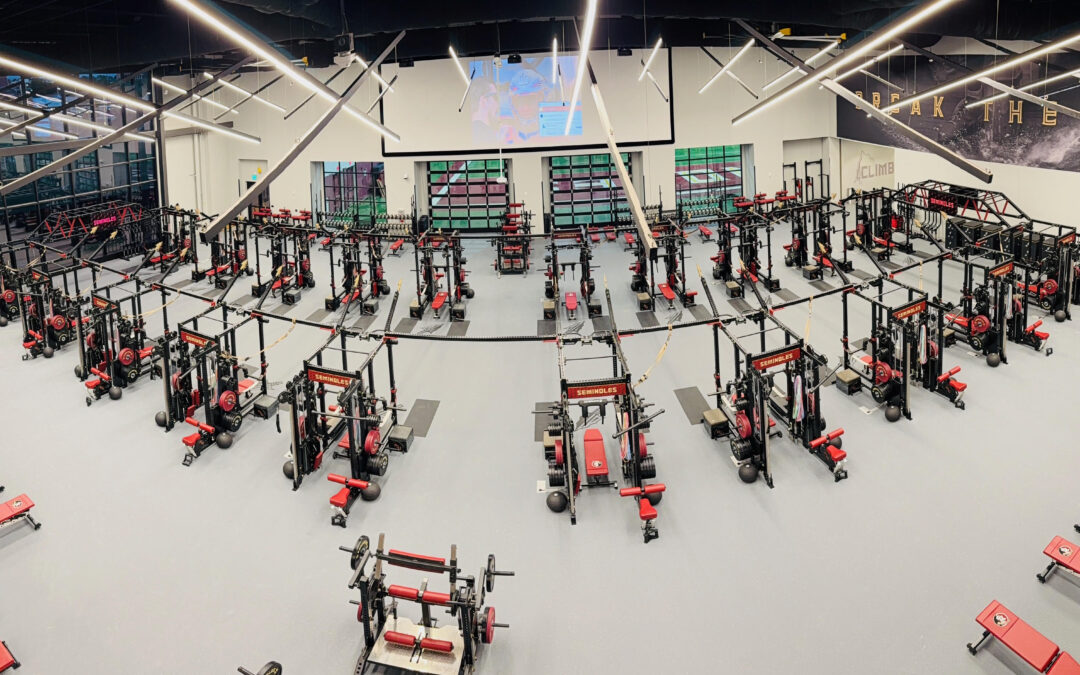
Ultimate Guide to Weight Room Flooring: Impact-Resistant Solutions for Athletic Facilities
What Are the Best Commercial Weight Room Flooring Options?
- Rubber Flooring: Known for its superior impact absorption and durability, rubber flooring is a top choice for weight rooms. It can withstand heavy weights and provides excellent traction, reducing the risk of slips and falls.
- Performance Turf: This versatile option is not only aesthetically pleasing but also functional. Performance turf can be used for various training activities, including agility drills and sled pushes, making it a great addition to any weight room.
- Vinyl Flooring: Vinyl is easy to maintain and offers a smooth surface for various workouts. It is also available in a range of designs, allowing for customization to match the facility's branding.
How Does Rubber Flooring Provide Superior Impact Absorption and Durability?

Shock-Absorbing Rubber Flooring for Injury Prevention
1. Shock-absorbing flooring is one potential solution to prevent fall-related injuries. No standards exist to characterize shock-absorbing healthcare flooring. This study explores two mechanical tests for impact force reduction and horizontal force required to move wheeled objects. An appropriately designed rubber underlay can reduce peak impact by 25% compared with 1% with standard vinyl.
A comparison of floor surfaces for injury prevention in care settings: impact forces and horizontal pulling force required to move wheeled equipment, BE Keenan, 2020
What Are the Benefits of Performance Turf and Vinyl for Weight Rooms?
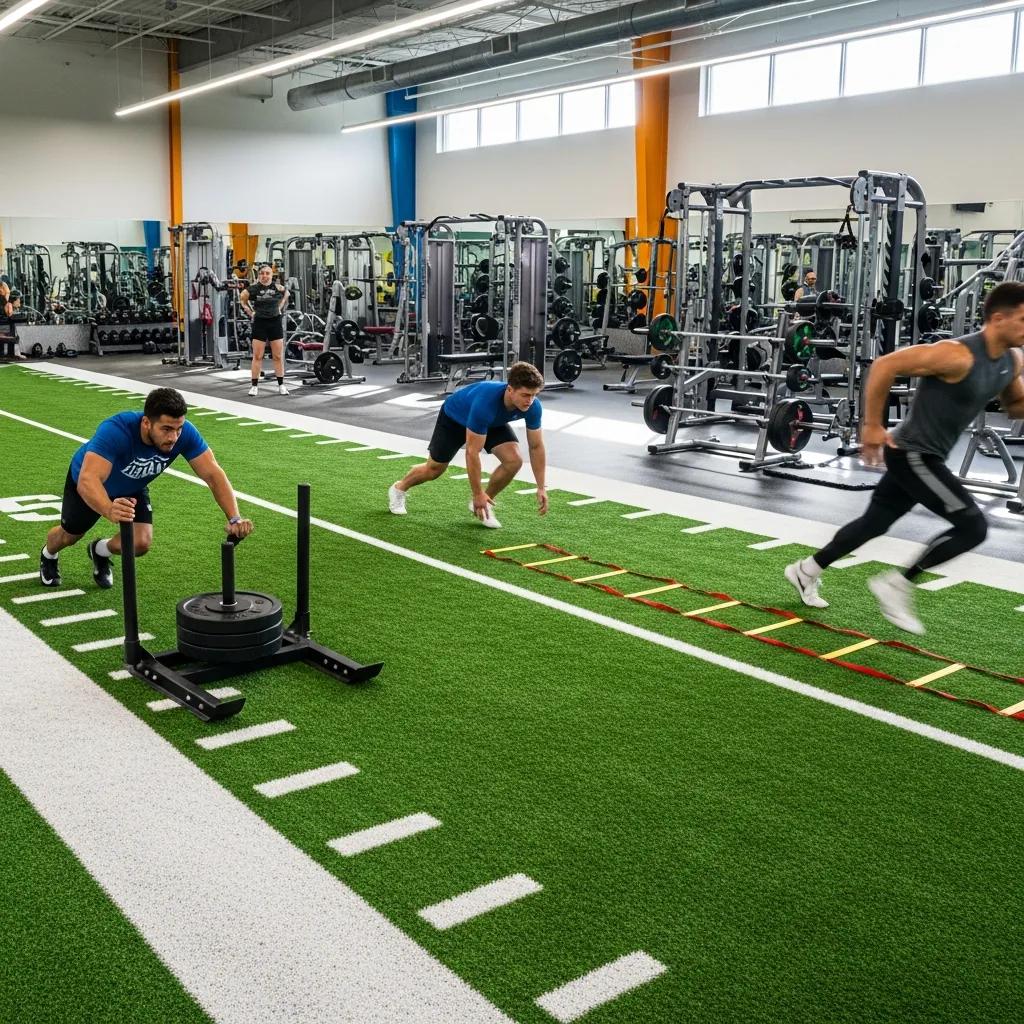
Weight Room Flooring: Impact-Resistant Solutions for Gyms
In What Ways Does Shock Absorption Prevent Injuries and Protect Subfloors?
Can Soundproof Gym Flooring Reduce Noise in Commercial Weight Rooms?
What Are the Key Factors to Consider When Choosing Weight Room Flooring?
- Budget Considerations: Determine the financial resources available for flooring installation and maintenance. High-quality options may have a higher upfront cost but can save money in the long run through durability and lower maintenance needs.
- Activity Type: Consider the types of activities that will take place in the weight room. Different flooring materials may be better suited for specific exercises, such as heavy lifting or high-impact training.
- Flooring Compatibility: Ensure that the chosen flooring is compatible with the existing infrastructure and meets safety standards.