Types of Gym Flooring
Understanding the different types of gym flooring is crucial for selecting the right solution for your facility. Each type of flooring serves specific purposes and is designed to cater to various activities within a gym environment.
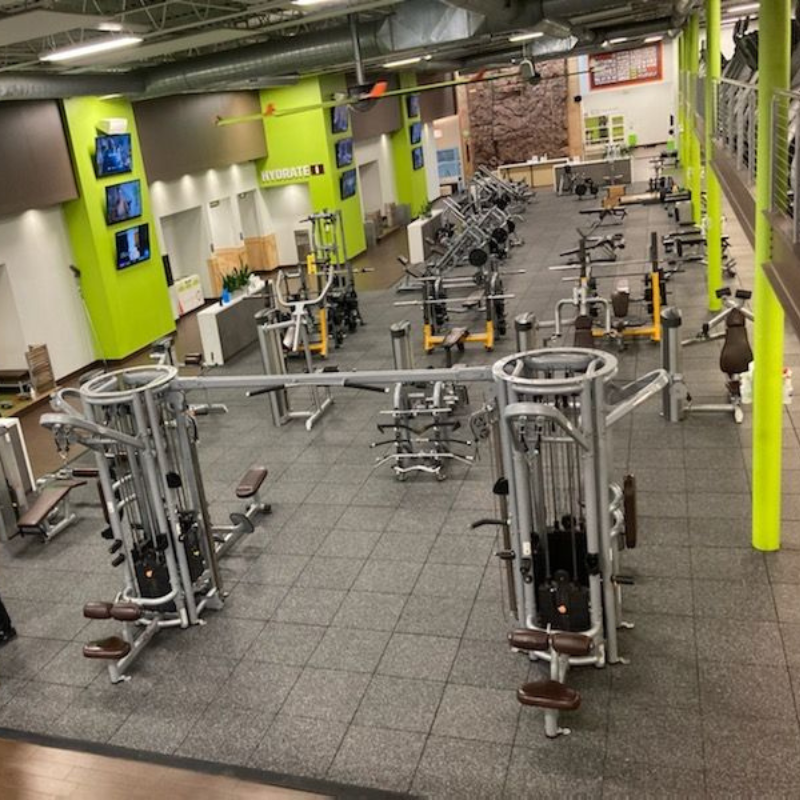
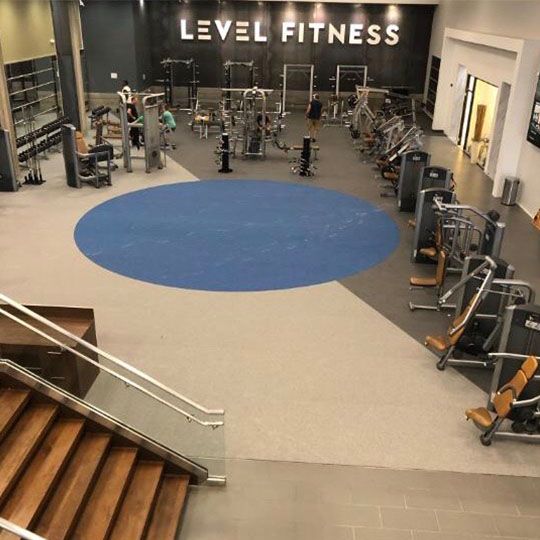
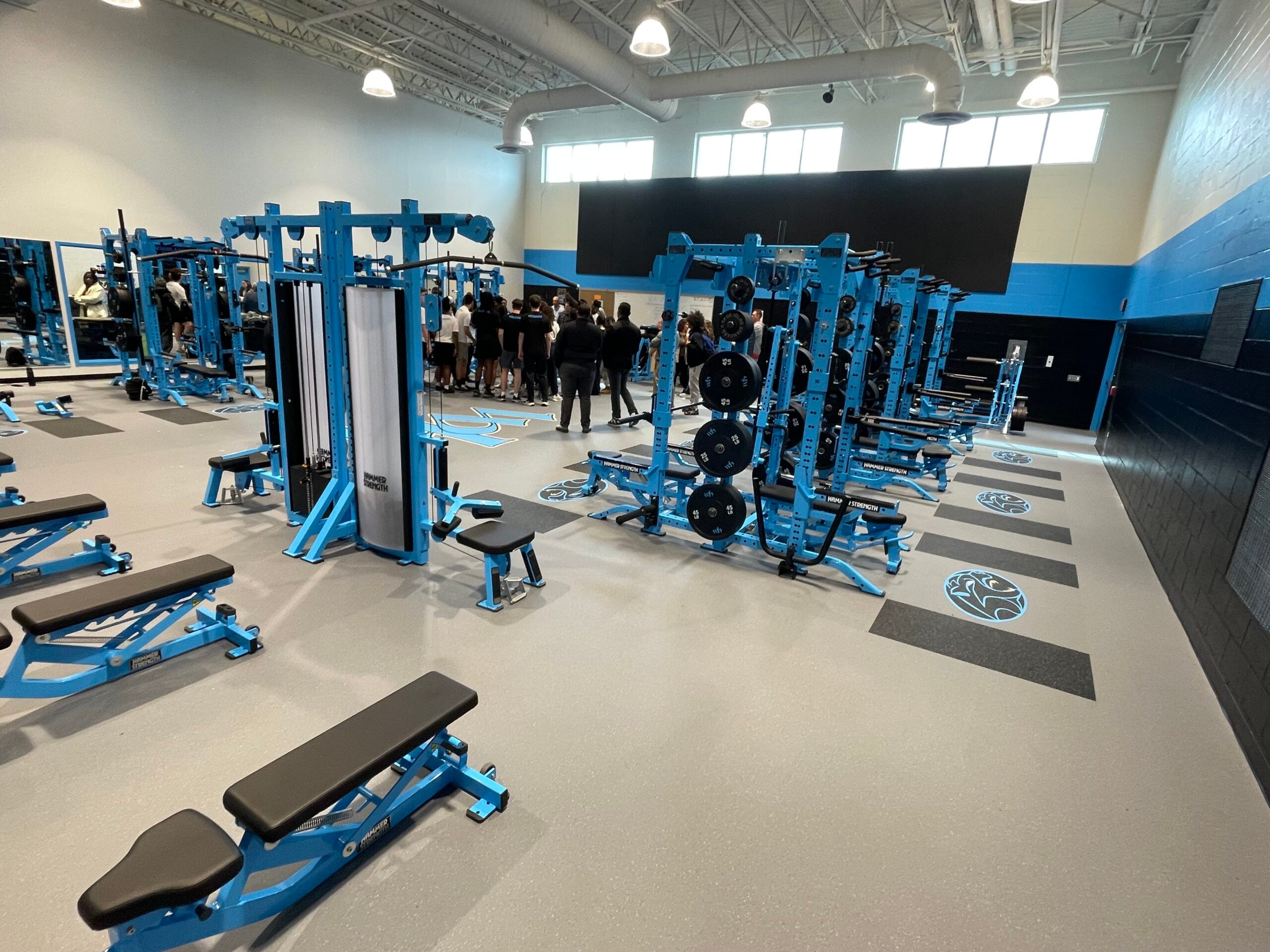
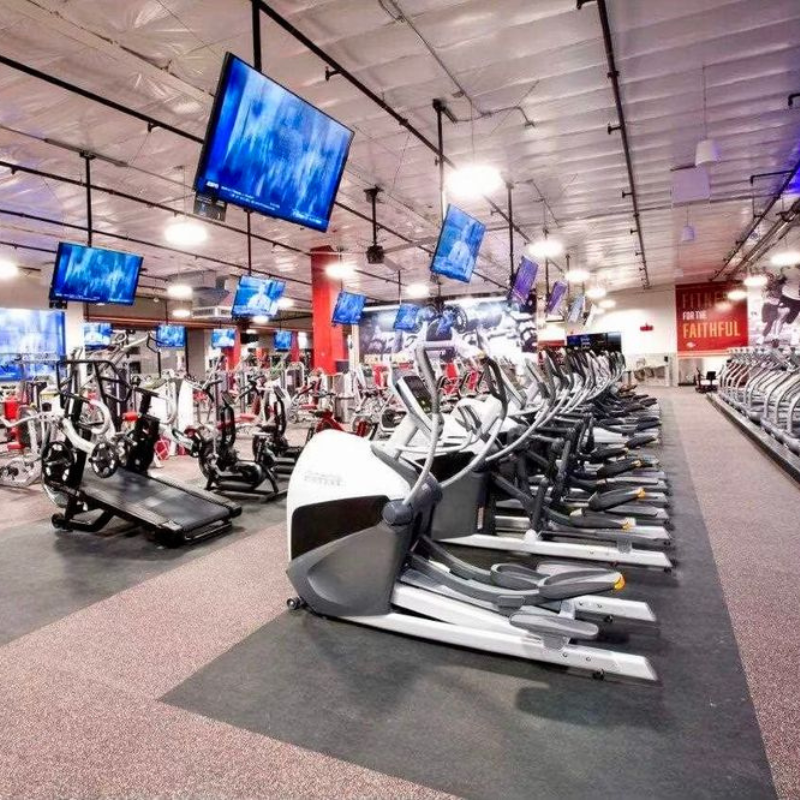
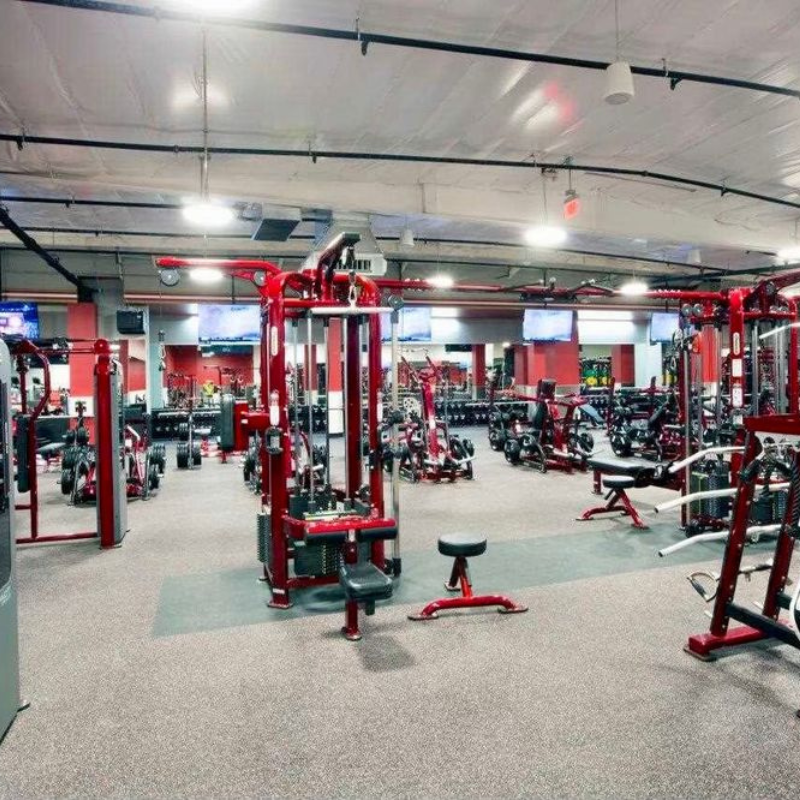
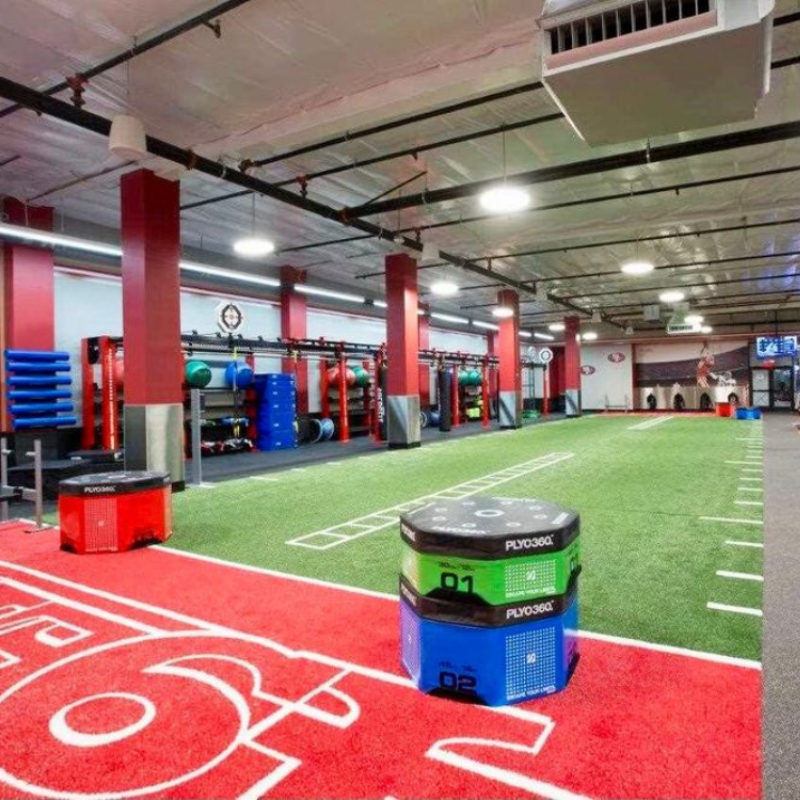
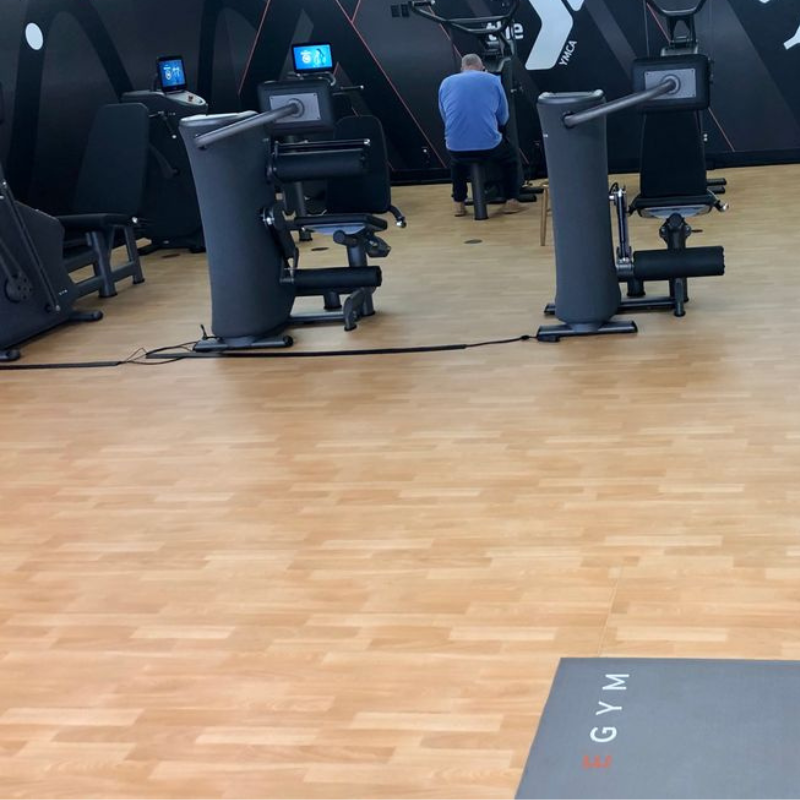
For instance, rubber flooring is commonly used in weight rooms due to its durability and shock-absorbent properties, while turf is ideal for agility drills and sled work. Cushioned vinyl is often chosen for areas dedicated to stretching and group fitness classes, providing a softer surface for users.
Benefits of Customized Gym Flooring
Customized gym flooring solutions offer numerous advantages that enhance safety and performance in fitness facilities. Tailoring flooring to specific areas ensures that users have the best possible experience while minimizing the risk of injury.
For example, a customized approach allows for the installation of slip-resistant surfaces in high-traffic areas, while softer materials can be used in zones dedicated to recovery or yoga. This strategic selection of materials not only improves functionality but also contributes to the overall aesthetic of the gym.
Choosing the Right Flooring for Your Gym Area
Selecting the appropriate flooring for different areas of your gym is essential for optimizing performance and safety. Each area has unique requirements based on the activities performed and the volume of traffic it experiences.
Weightlifting zones benefit from sturdy rubber flooring that can withstand heavy weights, while multi-purpose rooms may require versatile cushioned vinyl that accommodates various fitness classes. Understanding these needs helps gym owners make informed decisions that align with their facility's goals.
Maintenance Tips for Gym Flooring
Proper maintenance of gym flooring is vital to ensure longevity and performance. Regular upkeep not only preserves the appearance of the flooring but also maintains its safety features, which is critical in a high-usage environment.
For instance, rubber flooring should be cleaned with appropriate solutions to prevent buildup of grime, while turf may require brushing to keep the fibers upright. Implementing a consistent maintenance routine can significantly extend the lifespan of gym flooring and enhance user satisfaction.