
Expert Flooring Insights: Your Guide to Commercial, Industrial, Education, and Athletic Surfaces
- Top commercial flooring choices and how to install them effectively
- Essential industrial surfaces and the regulations they must meet
- Flooring solutions specifically for educational settings, from classrooms to university sports arenas
- High-performance athletic flooring designed for impact absorption and peak performance
- A breakdown of key materials, comparing their cost, long-term value, and environmental impact
- Crucial installation, maintenance, and repair services for our commercial clients
- The latest trends in UK flooring, along with safety standards and green certifications
What Are the Top Commercial Flooring Solutions for Various Business Settings?
Which Flooring Types Are Best Suited for Offices, Retail, and Hospitality Venues?
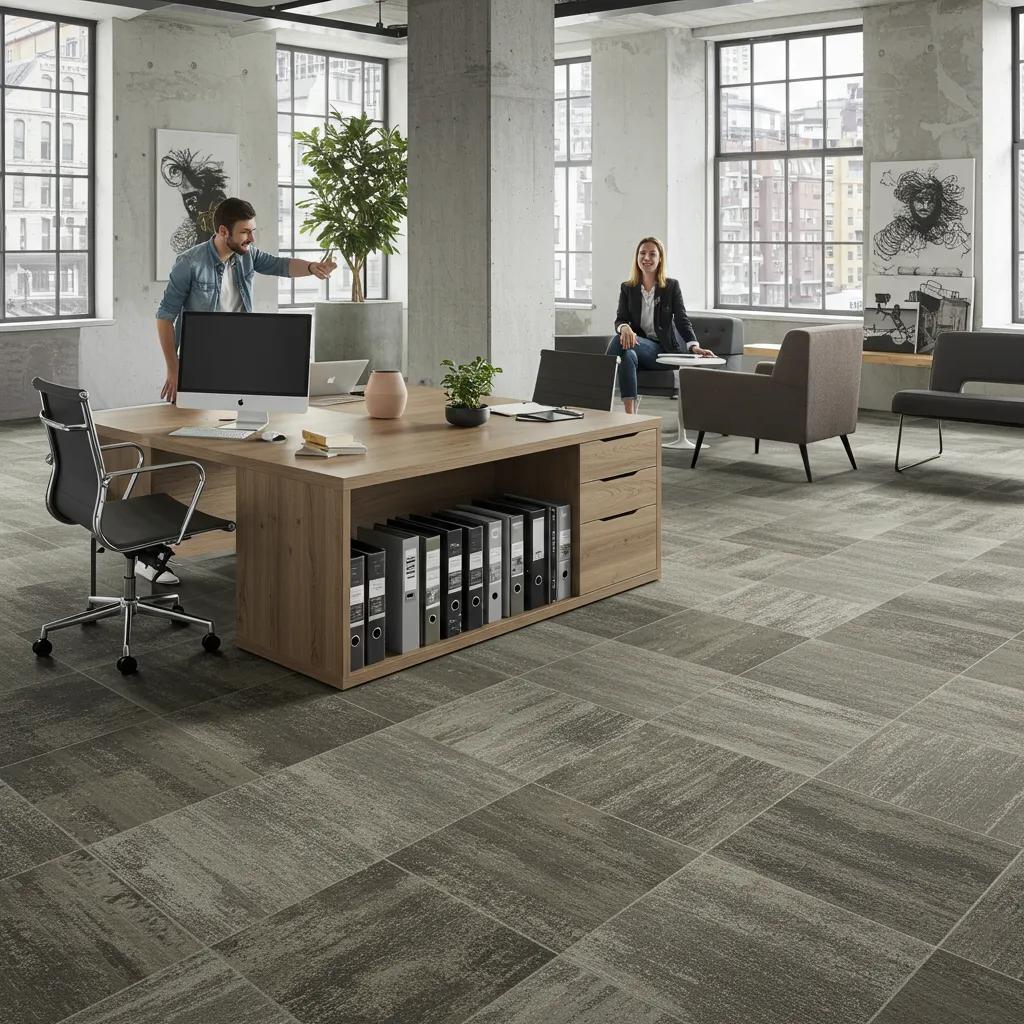
How Do Commercial Vinyl and Carpet Tiles Enhance Durability and Sound Comfort?
What Safety and Hygiene Standards Must Commercial Flooring Meet?
UK and European Flooring Safety Standards: Slip Resistance and Fire Performance
Commercial and industrial flooring must adhere to stringent safety standards, including BS 7976-2:2002 for slip resistance, which uses a pendulum test to assess slip potential, and EN 13501-1 for fire performance, classifying materials based on their reaction to fire with specific ratings like Bfl-s1. These standards are crucial for ensuring public and employee safety.
How Can Efficient Installation Minimise Downtime in Commercial Settings?
What Are the Key Industrial Flooring Types and Their Applications?
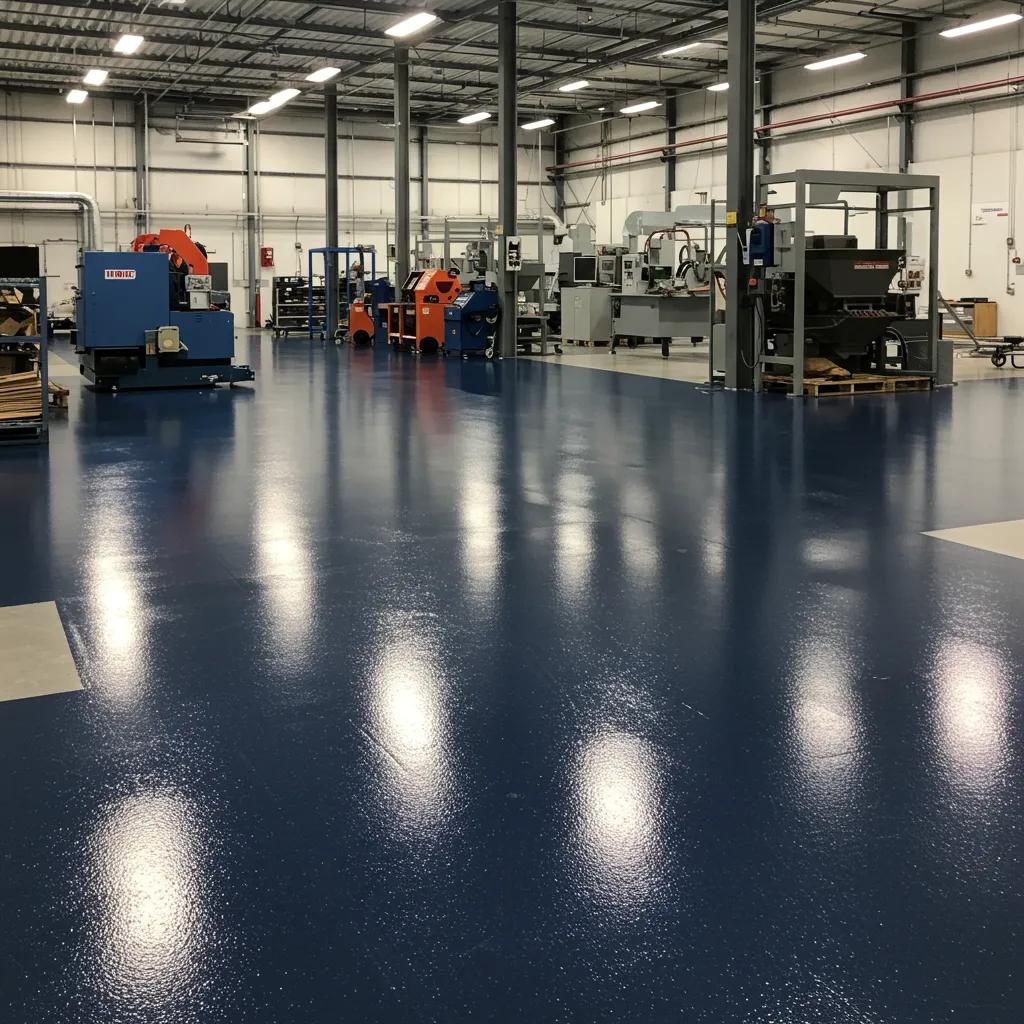
How Does Epoxy Flooring Provide Durability and Chemical Resistance in Factories?
When Is Polished Concrete the Best Choice for Warehouses and Heavy-Duty Areas?
What Are the Benefits of Polyurethane and Interlocking Tiles for Industrial Floors?
How Do Industrial Floors Comply with Safety and Anti-Slip Regulations?
How to Choose the Right Flooring for Schools and Universities?
What Flooring Options Offer Durability and Acoustic Comfort in Classrooms?
Which Flooring Types Are Best for University Gyms and Sports Facilities?
How Do School and University Floors Meet Safety and Hygiene Requirements?
What Maintenance Practices Extend the Lifespan of Educational Flooring?
What Are the Best Athletic Facility Flooring Options for Fitness Centres and Sports Halls?
How Does Rubber Flooring Provide Shock Absorption and Slip Resistance in Gyms?
What Are the Advantages of Sprung Wood and Vinyl Sports Flooring?
How to Select Flooring That Supports Performance and Safety in Athletic Facilities?
Performance and Safety in Athletic Flooring: Adherence to EN 14904 Standards
Athletic facility flooring, such as sprung wood and rubber systems, is engineered to meet European standard EN 14904, which specifies requirements for indoor multi-sports surfaces. This standard ensures optimal shock absorption, ball rebound, and vertical deformation, crucial for athlete safety and performance, reducing injury risk.
What Maintenance Is Required to Keep Sports Flooring in Top Condition?
How Do Different Flooring Types Compare for Commercial and Industrial Use?
| Flooring Type | Typical Lifespan | Return on Investment | Environmental Impact |
|---|---|---|---|
| Epoxy Resin | 10–20 years | High due to low maintenance | Moderate; VOC-controlled resins |
| Polished Concrete | Lifetime | Very High from reduced upkeep | Low; minimal materials added |
| Luxury Vinyl Tile | 10–15 years | Moderate through easy replacement | Varies; recycled content available |
| Rubber Sport Flooring | 8–12 years | Moderate; targeted replacement | High; sustainable granules |
What Are the Essential Flooring Installation and Maintenance Services for Commercial Clients?
What Are the Key Steps in Professional Flooring Installation?
How Can Regular Maintenance Improve Flooring Durability and Safety?
When Is Flooring Repair Necessary and What Techniques Are Used?
How Does Expert Consultation Help Choose the Right Flooring Solution?
What Are the Latest Trends and Compliance Requirements in UK Commercial Flooring?
How Are UK and EU Safety Standards Impacting Flooring Choices?
What Are the Emerging Sustainable Flooring Materials and Certifications?
Advancing Sustainability in Flooring: The Role of BREEAM and Cradle to Cradle Certifications
Certifications like BREEAM and Cradle to Cradle Certified® are crucial for evaluating the environmental performance of flooring products. BREEAM assesses a building's overall environmental impact, while Cradle to Cradle focuses on material health, circularity, and renewable energy, guiding the development of eco-friendly flooring solutions.