Understanding the Importance of Gym Floor Resurfacing
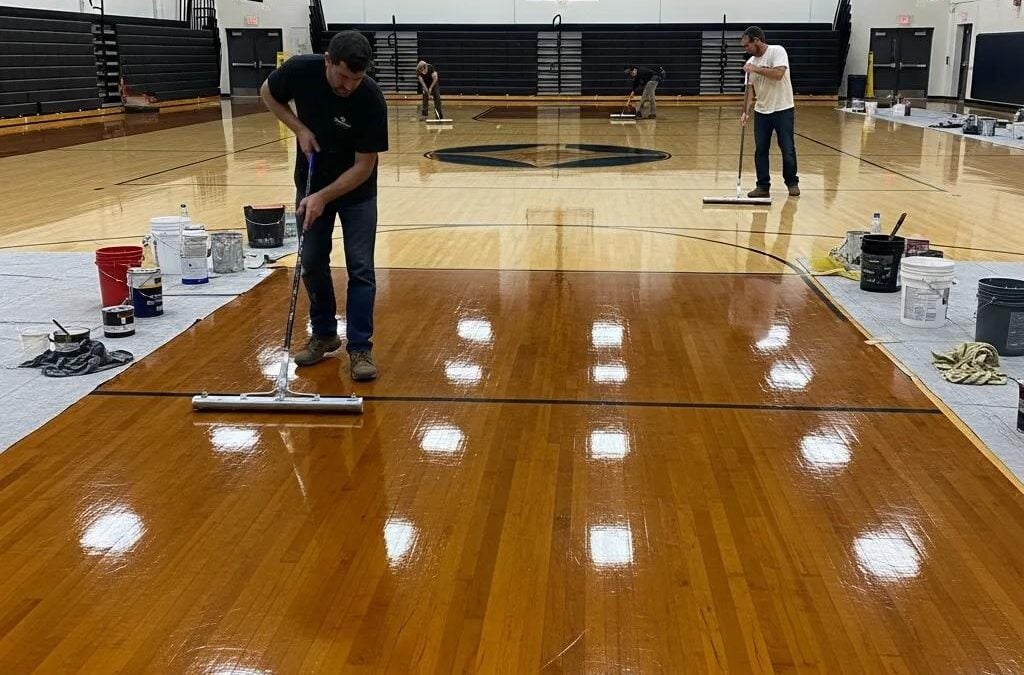
Gym floor resurfacing is crucial for maintaining the safety and performance of athletic facilities. Over time, floors can become worn, leading to potential hazards such as slips and falls, which can significantly impact athletes' performance and safety.
Regular resurfacing not only enhances the aesthetic appeal of the gym but also extends the life of the flooring material. For instance, hardwood floors may require refinishing every few years, depending on usage, while synthetic surfaces may need periodic maintenance to ensure optimal performance.
Choosing the Right Flooring Material for Your Gym
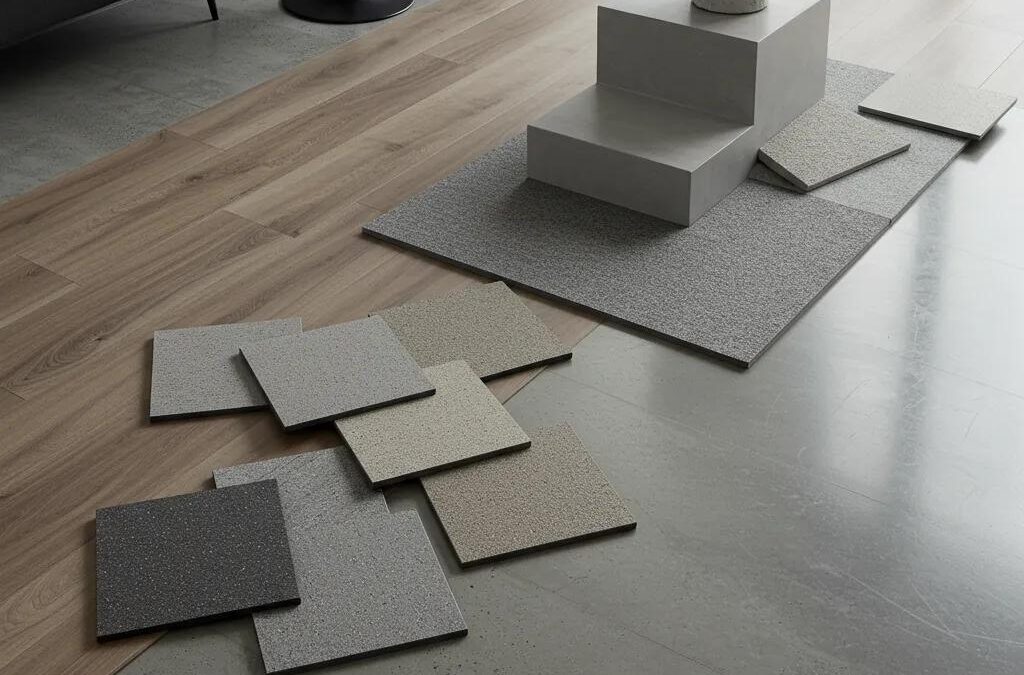
Selecting the appropriate flooring material is vital for meeting the specific needs of your gym. Factors such as the type of sports played, the level of foot traffic, and maintenance requirements should guide your choice.
For example, hardwood is often favored for basketball courts due to its durability and aesthetic, while rubber flooring is ideal for weightlifting areas due to its shock-absorbing properties. Understanding these characteristics can help gym owners make informed decisions that enhance both functionality and safety.
Cost Factors in Gym Floor Resurfacing
The cost of gym floor resurfacing can vary widely based on several factors, including the type of flooring, the extent of damage, and the chosen service provider. It's essential to consider these elements when budgeting for resurfacing projects.
For instance, refinishing a hardwood floor may range from $2 to $5 per square foot, while synthetic surfaces may involve different pricing structures based on material and installation complexity. Obtaining multiple quotes can help ensure competitive pricing and quality service.
Maintenance Tips for Prolonging Your Gym Flooring
Proper maintenance is key to prolonging the life of your gym flooring. Regular cleaning, timely repairs, and protective measures can significantly enhance the durability of your floors.
For example, using appropriate cleaning solutions and equipment can prevent damage to the surface, while promptly addressing scratches or dents can prevent further deterioration. Implementing a maintenance schedule will help keep your gym flooring in optimal condition for years to come.