Comprehensive Guide to Sports Flooring Solutions
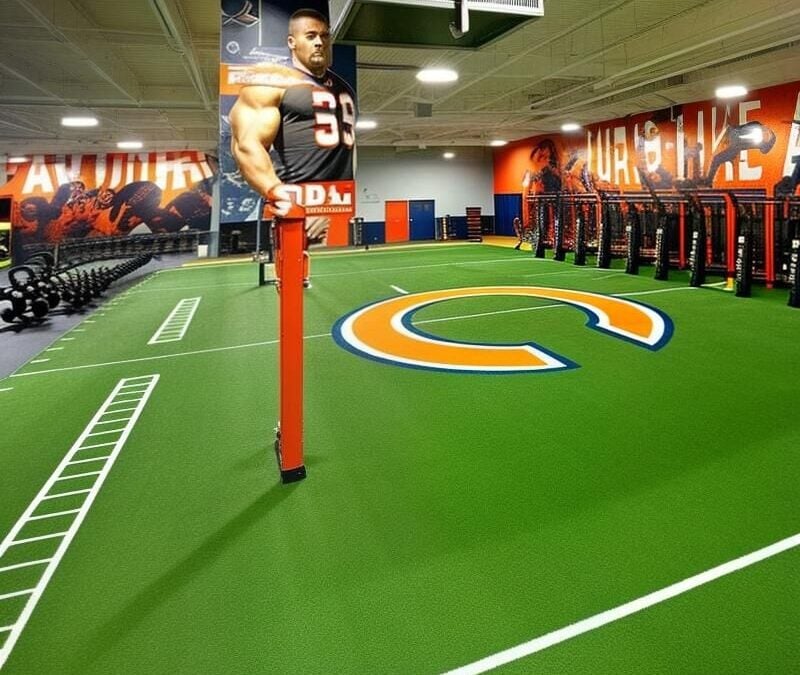
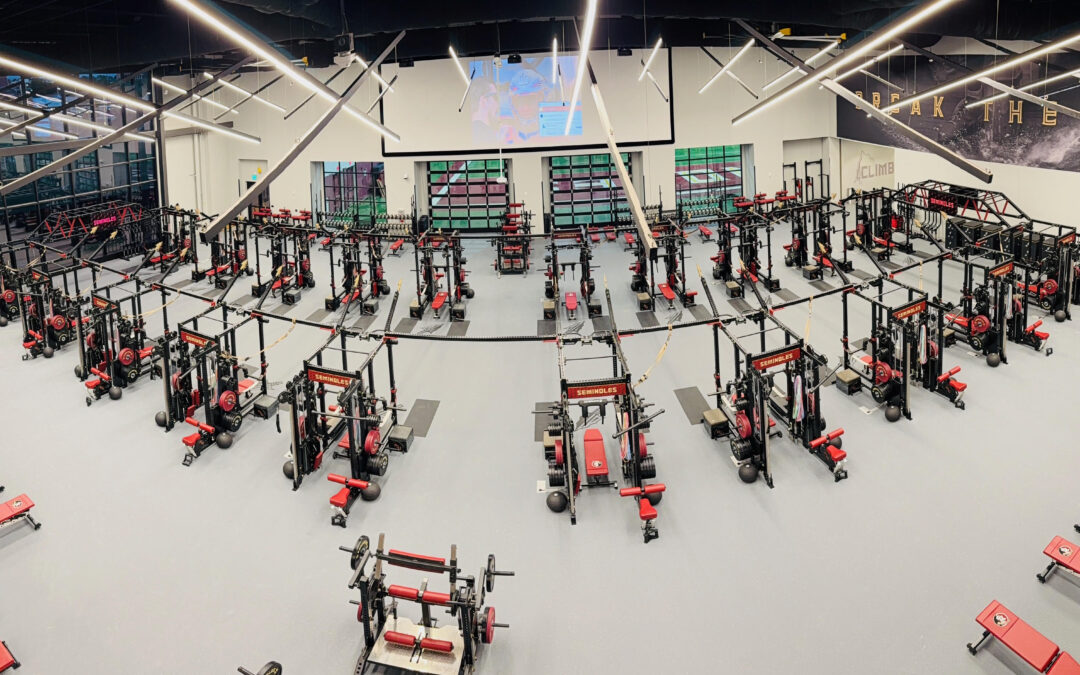
This guide serves as an all-encompassing resource for understanding various types of sports flooring solutions available in the market. From rubber and vinyl to turf and hardwood, each flooring type has unique benefits tailored to different athletic needs.
By exploring this guide, facility managers and sports enthusiasts can make informed decisions based on factors such as performance, safety, and maintenance. It also highlights the importance of selecting the right flooring to enhance athletic performance and reduce injury risks.
Choosing the Right Sports Flooring for Your Facility
Selecting the appropriate sports flooring is crucial for any athletic facility, as it directly impacts performance and safety. Factors to consider include the type of sports played, the level of foot traffic, and the specific needs of athletes.
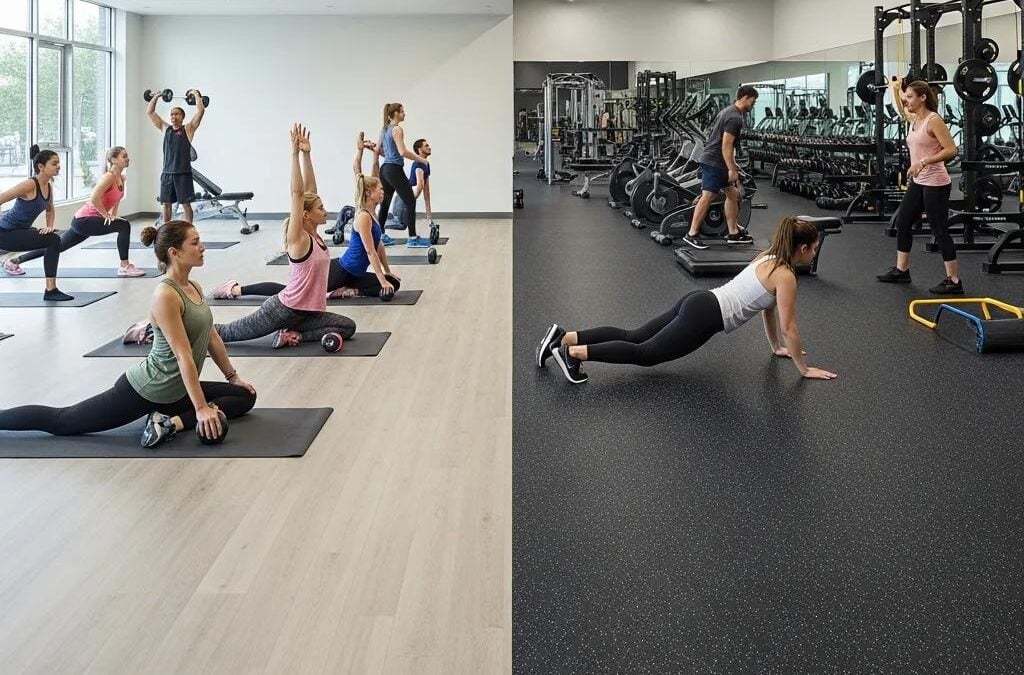
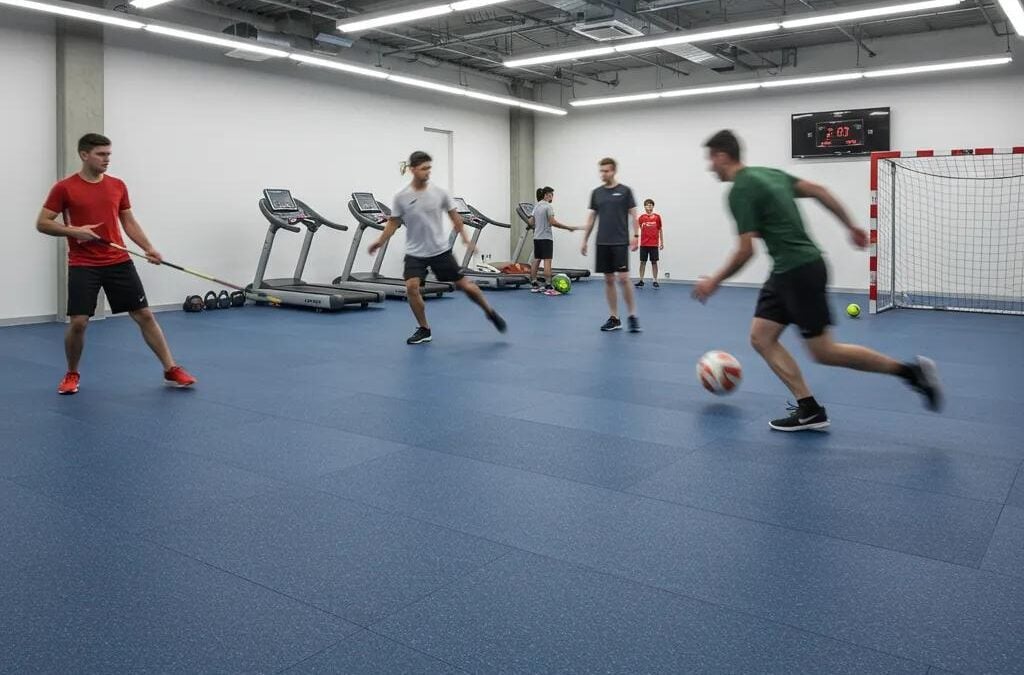
This section provides a detailed comparison of different flooring materials, assessing their durability, comfort, and suitability for various sports. For instance, hardwood is ideal for basketball, while rubber flooring is preferred for weight rooms and multipurpose areas.
Maintenance Tips for Long-Lasting Sports Floors
Proper maintenance is essential to prolong the life of sports flooring and ensure optimal performance. Regular cleaning, timely repairs, and appropriate treatments can significantly enhance the longevity of the flooring.
This section covers best practices for maintaining different types of sports floors, including recommended cleaning products and techniques. It also discusses the importance of addressing wear and tear promptly to avoid costly replacements.
Innovative Trends in Sports Flooring Technology
The sports flooring industry is evolving with new technologies that enhance performance and safety. Innovations such as shock-absorbing materials and eco-friendly options are becoming increasingly popular among facility managers.
This section explores the latest trends in sports flooring technology, including advances in sustainability and design. By staying informed about these trends, facility managers can ensure their facilities remain competitive and appealing to athletes.