Durable Dog Daycare Flooring Options: Best Flooring Solutions for Safe, Hygienic, and Long-Lasting Pet Care Facilities
Every square metre in a dog daycare withstands constant paw traffic, moisture and rigorous cleaning, demanding flooring that excels in strength, hygiene and comfort. Inadequate surfaces lead to slip risks, odour issues and mounting maintenance costs, threatening both animal welfare and business efficiency. This guide delivers expert insight into durable flooring solutions for dog daycares, covering essential benefits, top material types, selection criteria, installation and upkeep best practices, cost versus return on investment, and answers to the most pressing queries about kennel flooring.
Why Is Durable Flooring Essential for Dog Daycares?
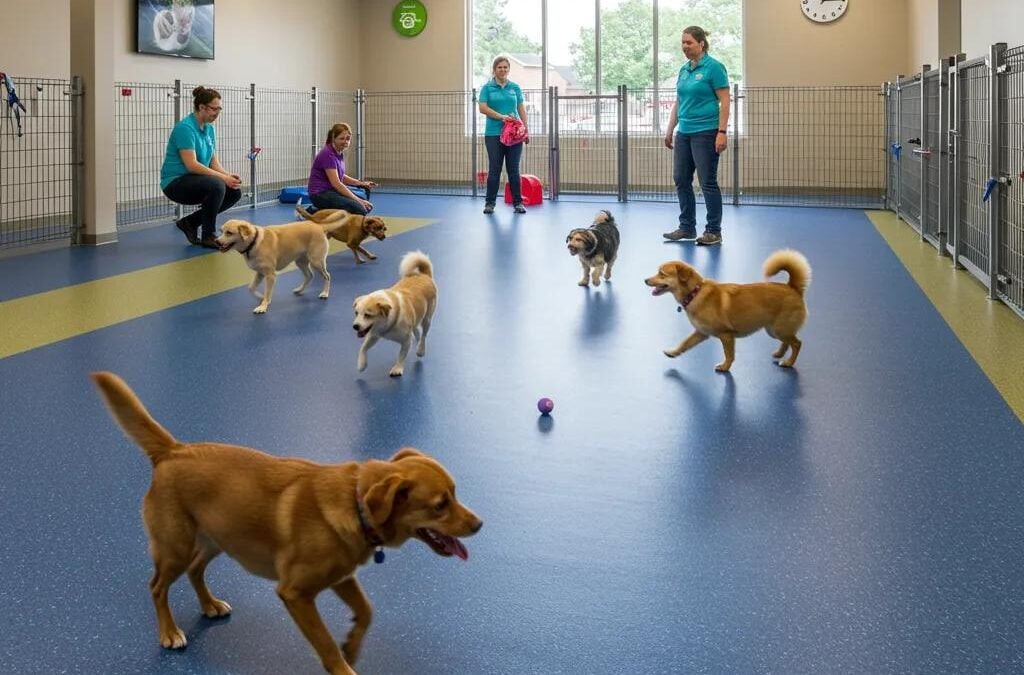
Durable flooring withstands heavy animal use while preserving cleanliness and safety. By resisting scratches, spills and bacterial build-up, long-lasting surfaces reduce downtime and promote a healthier environment. For example, seamless resin systems handle daily sanitisation without degrading, keeping play areas pristine and protecting subfloors from moisture damage—which naturally leads into how these qualities directly impact animal welfare and comfort.
Pet Boarding & Daycare Flooring: Balancing Safety, Cleanliness, And Style
This industry guide emphasizes that flooring in pet boarding and daycare facilities must balance safety, cleanliness, durability, and aesthetics. It highlights the need for non-porous, moisture-resistant, and slip-resistant surfaces to prevent disease spread and falls. The guide also notes that rubber flooring offers excellent slip resistance, noise reduction, and comfort, while epoxy and polyurethane coatings are valued for durability and chemical resistance.
This source provides broad support for many of the article’s core arguments regarding the essential benefits of durable flooring, including slip resistance, hygiene, sound absorption, and the suitability of materials like rubber, epoxy, and polyurethane.
How Does Durable Flooring Enhance Animal Welfare and Comfort?
Durable flooring provides cushioning under paws and joints, supporting animal mobility and reducing fatigue. High-density rubber crumb systems incorporate shock-absorbing layers that alleviate impact on canine hips and knees, promoting calmer behaviour and lowering injury risk. By maintaining stable underfoot grip and temperature regulation, resilient surfaces encourage natural play and rest cycles, directly improving overall well-being. This focus on comfort bridges the discussion into how hygiene factors further protect pets and staff.
What Are the Hygiene Benefits of Seamless, Non-Porous Flooring?
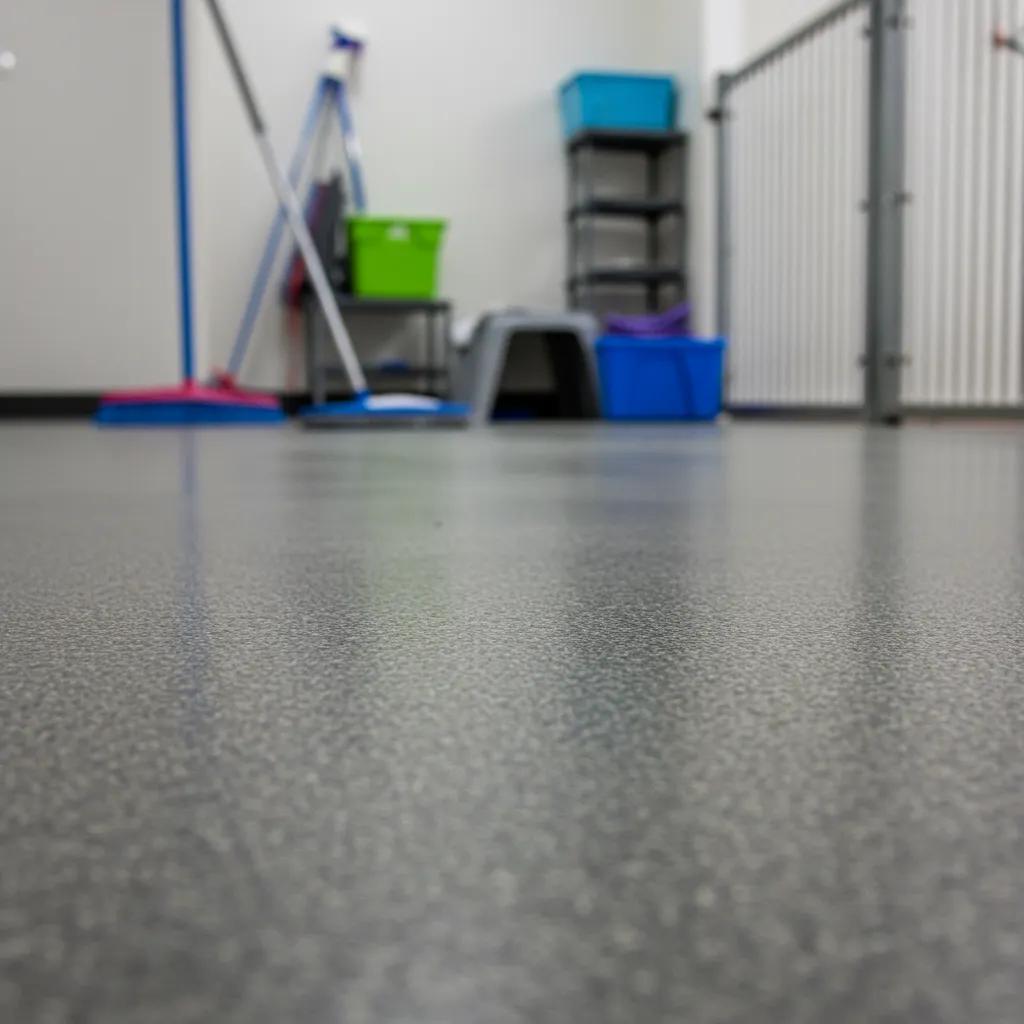
Seamless, non-porous surfaces prevent urine, saliva and bacteria from penetrating, enabling swift disinfection and odour control.
- No grout or seams to harbour pathogens.
- Chemical-resistant resins tolerate strong detergents and disinfectants without surface breakdown.
- Rapid surface drying minimises microbial growth between cleaning cycles.
These features translate into fewer disease outbreaks and simplified daily routines, reinforcing why slip resistance remains a vital next consideration.
Does Flooring Substrate Impact Kennel and Dog Cleanliness in Commercial Breeding Facilities?
This pilot study investigated the effects of different flooring types, including diamond-coated expanded metal, polypropylene, and concrete, on the physical health and cleanliness of 118 dogs in commercial breeding kennels. The findings indicated that with appropriate management and access to additional surfaces, dog foot health, cleanliness, and kennel cleanliness could be maintained across the flooring types studied. The research also highlighted that inappropriate flooring in other species can negatively impact foot health.
This research directly supports the article’s emphasis on the importance of flooring for hygiene, animal welfare, and paw health in dog care facilities.
How Does Slip Resistance Improve Safety in Dog Kennels?
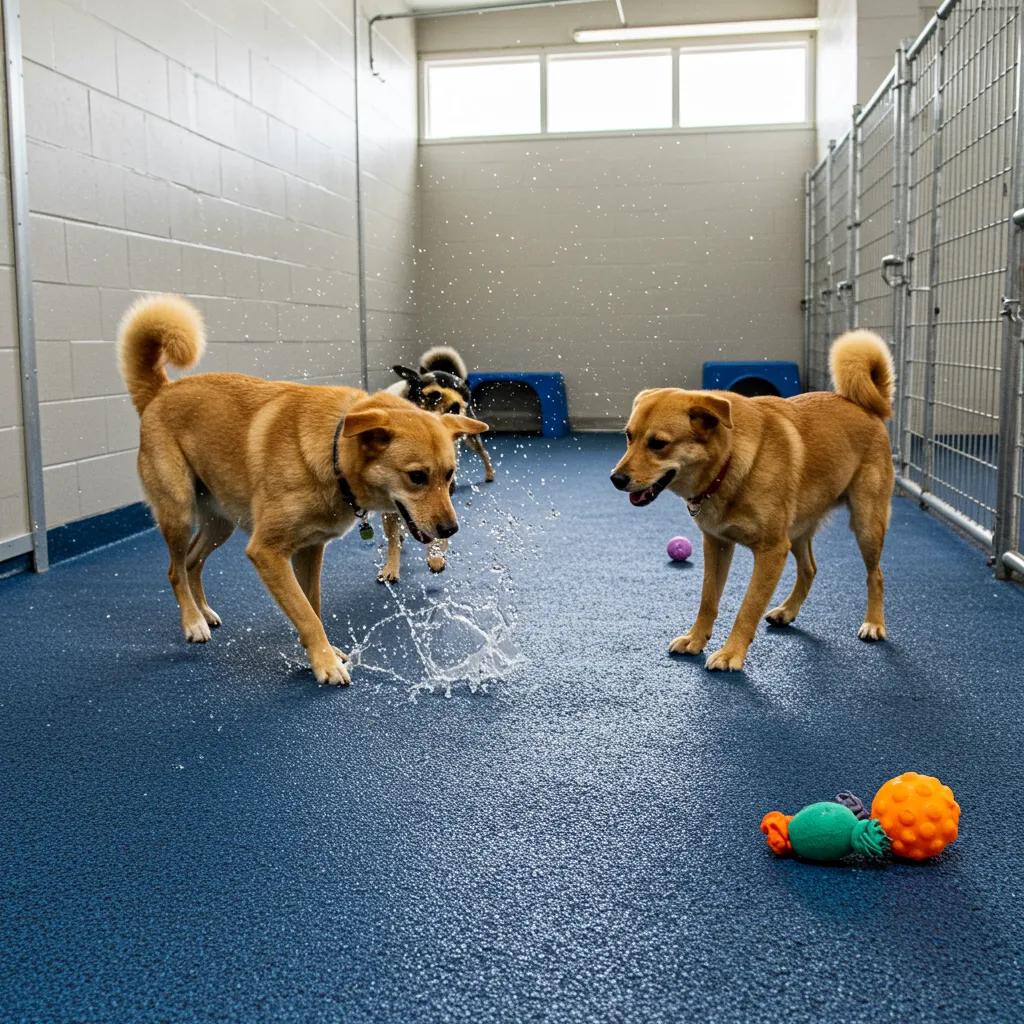
Slip resistance ratings measure traction under wet conditions, directly reducing falls and sprains among animals and caregivers. Most specialist dog daycare floors achieve an R10–R12 slip rating, delivering confident footing even during play or grooming sessions.
Surfaces with higher R-ratings correlate with 30 % fewer slip incidents in high-traffic zones, highlighting the critical link between traction properties and facility safety. Sealing these benefits naturally ushers in the role of sound absorption in calming day-to-day operations.
Why Is Sound Absorption Important in Dog Daycare Flooring?
Noise-dampening properties reduce echo and barking stress, fostering a calmer atmosphere. Rubber flooring with integrated acoustic underlays can cut ambient noise by up to 20 dB, which soothes anxious dogs and improves staff communication. By mitigating reverberation, sound-absorptive systems enhance overall welfare and prepare facilities for lower maintenance demands over time.
Dog Kennel Soundproofing: Materials, Methods, & Noise Control
This guide explains the importance of soundproofing in dog kennels and daycares, noting that hard surfaces like concrete amplify noise, creating stressful environments. It recommends acoustic treatment to reduce sound intensity and reverberation, suggesting materials like high-NRC wall panels and ceiling baffles to absorb barking noise and improve animal well-being and staff communication.
This directly supports the article’s section on the importance of sound absorption in dog daycare flooring, explaining how noise-dampening properties contribute to a calmer atmosphere and reduce stress for dogs and staff.
How Does Durable Flooring Reduce Maintenance and Long-Term Costs?
Robust materials resist gouges and chemical damage, extending service life and trimming refurbishment budgets. A high-performance resin floor often lasts 10–15 years versus three years for basic vinyl, while recycled rubber systems maintain integrity under harsh cleaning routines.
Reduced replacement frequency and smoother cleaning workflows free up resources for core pet care operations, underscoring durability as a strategic investment that transitions us to exploring top flooring types.
Top Durable Dog Daycare Flooring Options for Safety & Hygiene
Choosing the ideal surface involves comparing core material properties, hygiene performance and comfort features. This section profiles leading options—rubber, epoxy resin, polyurethane, plus alternative approaches—so you can match your facility’s priorities with the right surfacing system.
Why Choose Rubber Flooring for Dog Daycares?
Rubber flooring delivers unmatched cushioning, sound absorption and slip resistance through its natural elasticity. Constructed from recycled crumb or EPDM granules bound in resin, rubber surfaces:
- Enhance joint support and reduce fatigue during prolonged play.
- Absorb noise for quieter group activities.
- Provide waterproof, non-porous coverage that tolerates aggressive cleaning.
This combination of comfort and hygiene makes rubber an ideal foundation for high-traffic kennels, setting the stage to examine resin-based alternatives.
How Does Epoxy Resin Flooring Meet Kennel Hygiene and Durability Needs?
Epoxy resin forms a seamless, chemically resistant expanse that resists stains, odours and scratching. Its hard-wearing matrix promotes easy sanitisation, while the absence of joints eliminates bacterial harbours. Key attributes include:
- High compressive strength to withstand impact from kennel doors and equipment.
- Resistance to canine waste acids and disinfectants, preserving finish quality.
- Smooth surface finish with optional anti-slip additives tailored to safety requirements.
These qualities secure epoxy as a premium hygienic solution before we explore the benefits of polyurethane systems.
What Advantages Does Polyurethane Flooring Offer for Animal Facilities?
Polyurethane binds flexibility with toughness, accommodating temperature variations and dynamic loads without cracking. Its elastic nature:
- Absorbs heavy impacts from kennelling equipment.
- Retains adhesion under freeze-thaw cycles in uninsulated spaces.
- Exhibits high UV stability for indoor-outdoor transition areas.
This resilience and versatility highlight polyurethane as a go-to solution where both durability and adaptability are essential.
Are Vinyl and Sealed Concrete Viable Flooring Options for Dog Daycares?
Vinyl and sealed concrete represent budget-conscious alternatives that meet basic hygiene and durability standards.
- Vinyl offers waterproof, low-maintenance coverage but can be prone to tearing under heavy abrasion.
- Sealed concrete provides robust, monolithic surfaces but may lack cushioning and noise control.
What Are the Limitations of Vinyl and Concrete Flooring in Pet Care Settings?
Vinyl can delaminate at seams when exposed to frequent moisture and claw abrasion, leading to costly repairs. Sealed concrete requires routine resealing to maintain impermeability and remains hard underfoot, potentially increasing joint stress. These trade-offs clarify why specialised rubber or resin systems often outperform general-purpose options.
How Do You Choose the Right Flooring for Your Dog Daycare?
Selecting flooring demands balancing budget, layout and functional zones. A systematic approach ensures each area—from playpens to grooming bays—receives the most suitable surfacing solution.
What Budget and Installation Costs Should You Expect?
High-performance rubber or resin installations range from £40 – £80 per square metre, inclusive of sub-floor preparation and labour. Breakdown of typical cost factors:
- Substrate assessment and repair.
- Primer and base coat application.
- Material supply (EPDM granules, resin, sealants).
- Skilled installation labour for seamless finishes.
Investing in professional installation reduces rework costs and safeguards long-term durability, directing us to how facility dimensions shape those expenditures.
How Does Facility Size and Layout Influence Flooring Choice?
Large, open play areas benefit from rolling or pour-in-place systems for continuity, whereas smaller kennel aisles may employ interlocking rubber tiles for rapid replacement. Complex layouts with many partitions can incur higher labour rates, so tile-based systems may deliver faster turnaround. Understanding spatial demands helps align installation methodology with project timelines and budget.
How Should Flooring Be Tailored for Play Areas, Kennels, and Grooming Zones?
Each zone requires targeted features:
- Play Areas: Cushioning and noise control via thick rubber underlays.
- Kennel Corridors: Smooth, non-porous resin finishes for swift disinfection.
- Grooming Zones: Chemical-resistant polyurethane with textured anti-slip profiles.
By mapping material properties to functional areas, operators optimise safety and workflow efficiency, paving the way for professional installation guidelines.
How Is Durable Dog Daycare Flooring Installed and Maintained?
Proper application and care underpin flooring lifespan and performance. Following manufacturer protocols preserves structural integrity and hygiene standards.
Why Is Professional Installation Crucial for Seamless Flooring?
Expert installers ensure precise substrate preparation, correct resin mixing ratios and uniform application thickness. Seamless joins eliminate weak points where moisture or contaminants could infiltrate, safeguarding both hygiene and adhesion. Engaging certified professionals minimises surface failures and preserves warranty coverage, setting up a maintenance routine that keeps floors in top condition.
What Are the Best Daily Cleaning and Long-Term Maintenance Practices?
Daily protocols include sweeping loose debris, mopping with neutral pH detergents and spot-disinfecting high-traffic zones. Quarterly maintenance may entail:
- Reapplying protective sealers on resin systems.
- Inspecting rubber tiles for wear or lifting at edges.
- Power-scrubbing textured surfaces to remove embedded grime.
Consistent upkeep prevents material degradation and maintains slip resistance, leading naturally to how odour control can be further enhanced through flooring selection.
How Can Odour Control Be Managed Through Flooring Choices?
Floors with integrated antimicrobial additives inhibit bacterial growth responsible for foul smells. Non-porous resin and rubber systems prevent waste infiltration, while optional enzyme-based sealers actively neutralise odours. By selecting surfaces with antimicrobial performance, daycares minimise reliance on harsh chemicals and maintain fresher environments without compromising pet health.
What Are the Costs and Return on Investment for Dog Daycare Flooring?
Investing in premium flooring yields dividends through reduced repairs, lower cleaning labour and enhanced facility reputation. Quantifying these returns validates the upfront expense.
How Do Different Flooring Materials Compare in Price and Longevity?
Comparing long-term endurance with initial outlay highlights how robust materials amortise cost over multiple years, positioning ROI as the next focal point.
What Is the Long-Term ROI of Investing in Durable Flooring?
Durable systems can slash annual maintenance expenses by up to 40 % and reduce full-replacement cycles by half. Enhanced cleanliness supports higher occupancy rates and stronger client trust, translating into increased revenue potential. When total cost of ownership is tracked over a decade, superior flooring often delivers a payback period within three to five years, underpinning its financial rationale.
Are There Budget-Friendly Options That Don’t Compromise Quality?
Mid-tier resin formulations and modular rubber tiles offer cost savings while retaining essential features:
- Economy-grade epoxy with basic anti-slip additives.
- Removable rubber tiles for targeted replacement in wear zones.
- Hybrid systems combining concrete subfloor sealing with top-coat finishes.
These scalable approaches enable daycares to phase upgrades and align expenditures with operational growth.
What Are the Most Common Questions About Dog Daycare Flooring?
What Is the Best Flooring for a Dog Daycare?
The best flooring merges durability, hygiene and safety in one system. Seamless resin floors or high-grade rubber surfaces consistently top recommendations for their resistance to wear, ease of cleaning and exceptional traction, supporting both animal welfare and operational efficiency.
How Do You Clean Dog Daycare Floors Effectively?
Effective cleaning starts with debris removal, followed by mopping with neutral pH disinfectants. For stubborn residues, a soft-bristle scrub and antimicrobial floor cleaner restore hygiene without harming the surface. Regular rinsing and prompt drying preserve slip resistance and prevent odour build-up.
Is Epoxy Flooring Suitable for Dog Kennels?
Yes, epoxy flooring suits dog kennels by providing a seamless, non-porous barrier that resists acidic waste and cleaning chemicals. Its smooth finish simplifies disinfection routines while specialised anti-slip additives ensure secure footing.
What Are the Benefits of Rubber Flooring for Dogs?
Rubber flooring cushions joints, dampens noise and maintains grip under wet conditions. Recycled rubber surfaces also deliver eco-friendly credentials and long lifespans, reducing environmental impact while supporting comfortable animal activity.
How Much Does Dog Daycare Flooring Cost in the UK?
UK installations typically range from £40 to £85 per square metre, depending on substrate condition, material selection and installation complexity. Premium systems with acoustic underlays or advanced antimicrobial properties command the higher end of this spectrum.
Choosing the right flooring transforms your dog daycare into a sanctuary of safety, hygiene and durability while enhancing operational performance and guest satisfaction. By aligning material features with facility needs and investing in professional installation and maintenance, operators secure long-term value, reduced costs and a competitive edge in the thriving pet care market.