Understanding the Importance of Flooring in Athletic Facilities
Flooring plays a crucial role in the functionality and safety of athletic facilities. The right flooring not only enhances performance but also minimizes the risk of injuries, making it a critical consideration for universities.
For instance, surfaces designed for basketball courts must provide adequate traction and shock absorption, while weight rooms require durable materials that can withstand heavy equipment and frequent use. Understanding these specific needs helps institutions choose the best flooring solutions.
Types of Flooring Options for University Athletic Facilities
When selecting flooring for athletic facilities, various materials can be considered, each with its unique benefits. Common options include rubber, vinyl, and hardwood, each catering to different sports and activities.
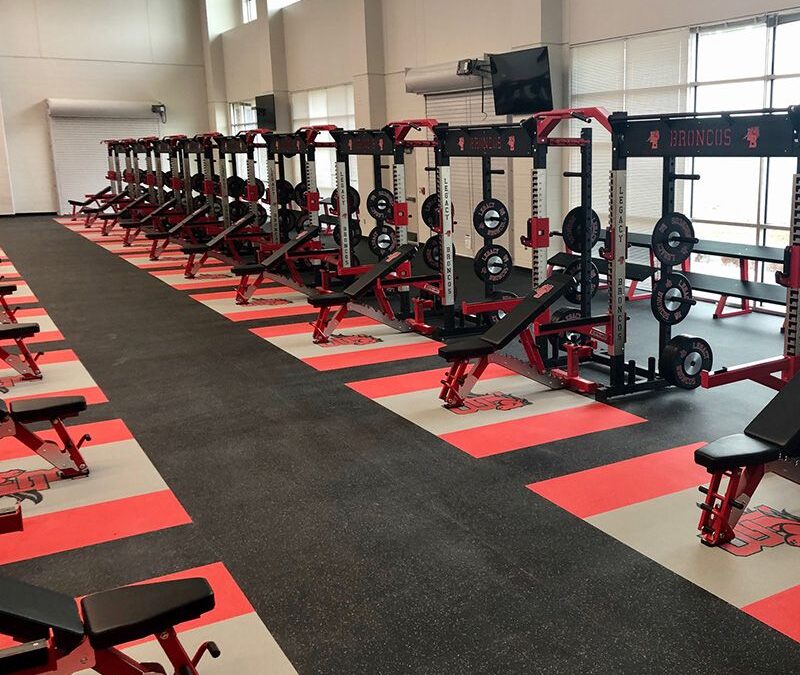
Rubber flooring is often favored for its shock-absorbing properties, making it ideal for weight rooms and multipurpose areas. In contrast, hardwood is traditionally used for basketball courts due to its aesthetic appeal and performance characteristics. Evaluating the specific requirements of each space is essential for making an informed choice.
Key Factors to Consider When Choosing Flooring
Several factors should be taken into account when selecting flooring for athletic facilities. These include durability, maintenance requirements, safety features, and budget constraints.
For example, high-traffic areas may necessitate more durable materials that can withstand wear and tear, while safety features like slip resistance are critical in preventing accidents. Balancing these factors ensures that the flooring not only meets performance standards but also aligns with the institution's financial capabilities.
Benefits of Professional Installation and Maintenance
Investing in professional installation and maintenance of athletic flooring can significantly enhance its longevity and performance. Experts ensure that the flooring is laid correctly, adhering to safety standards and optimizing its functionality.
Moreover, routine maintenance by professionals can prevent common issues such as wear and tear, ensuring that the flooring remains in top condition. This proactive approach can ultimately save institutions money by extending the life of their flooring investments.