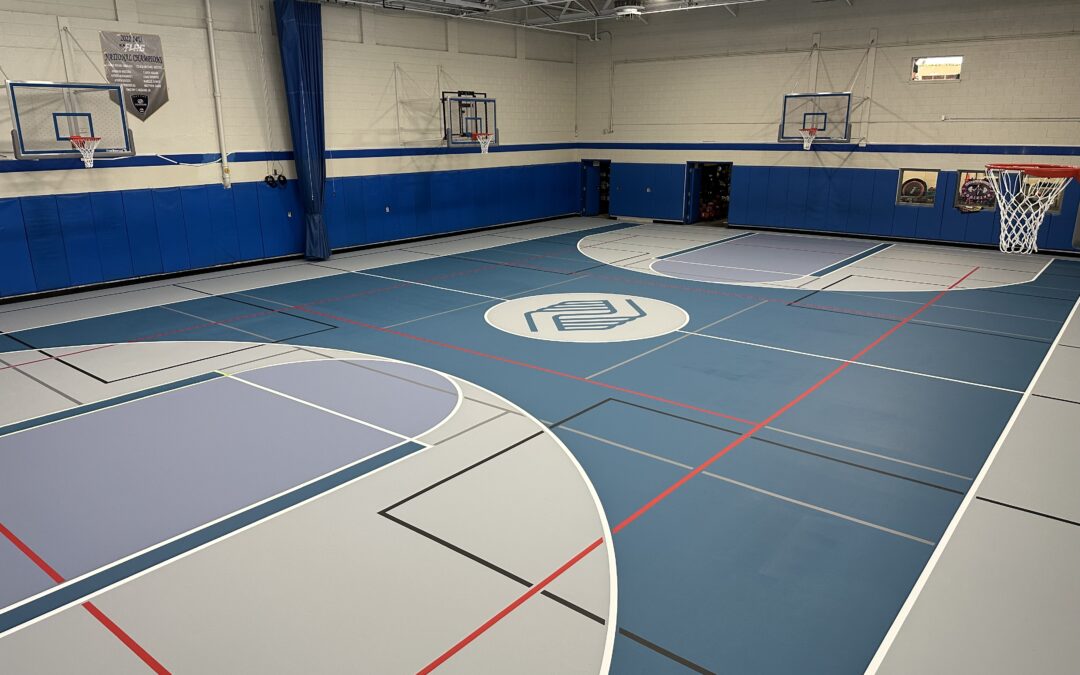
Understanding the Benefits of Quality Sports Flooring
High-quality sports flooring is essential for enhancing athletic performance and ensuring safety during play. The right flooring can significantly reduce the risk of injuries, improve traction, and provide the necessary cushioning for athletes.
For instance, rubber flooring is known for its shock-absorbent properties, making it ideal for sports like basketball and volleyball. Additionally, surfaces designed specifically for athletic use can help athletes maintain their speed and agility, contributing to better overall performance.
Types of Sports Flooring Solutions
When it comes to sports flooring, various materials cater to different athletic needs and environments. Understanding the types available can help facility managers make informed decisions that best suit their sports programs.
Common options include hardwood for basketball courts, synthetic turf for soccer fields, and specialized rubber flooring for multi-purpose gyms. Each type has unique characteristics that enhance performance and safety, making it crucial to choose the right flooring based on the specific sport and usage requirements.
Choosing the Right Flooring for Your Facility
Selecting the appropriate flooring for your sports facility involves several factors, including the types of sports played, the level of athlete engagement, and maintenance considerations. A well-informed choice can lead to improved athlete performance and satisfaction.
For example, facilities that host multiple sports may benefit from versatile flooring options that accommodate various activities. Consulting with flooring experts can provide insights into the best materials and installation methods suited for your specific needs and budget.
Maintenance Tips for Sports Flooring
Regular maintenance is crucial to prolonging the life of sports flooring and ensuring optimal performance. Proper care not only enhances the aesthetics of the facility but also maintains safety standards for athletes.
Maintenance practices may include routine cleaning, periodic inspections for wear and tear, and timely repairs. Implementing a maintenance schedule can help facility operators identify issues early and address them before they impact athlete safety and performance.