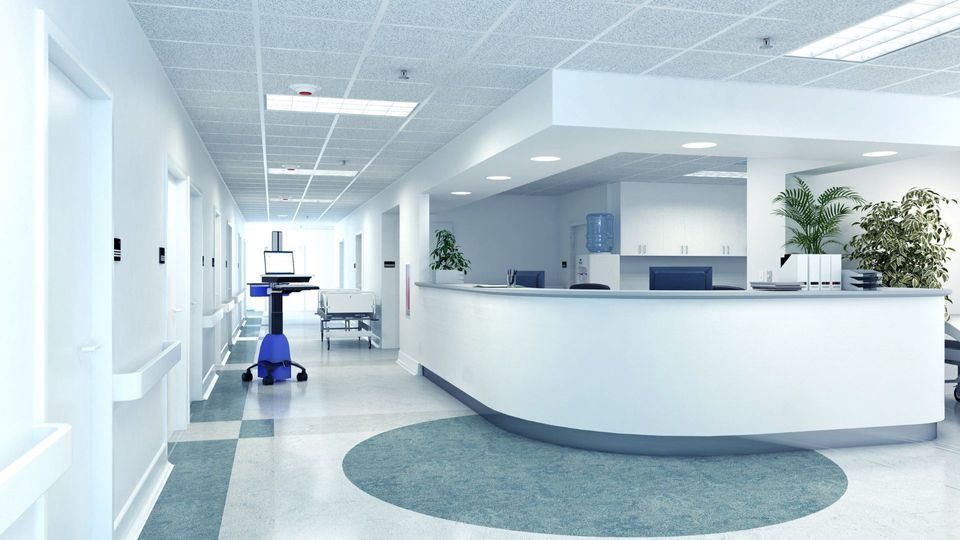
Understanding the Importance of Flooring in Rehabilitation
Flooring in rehabilitation areas is critical for ensuring safety and enhancing patient recovery. The right flooring can reduce the risk of slips and falls, which is particularly important in environments where patients may be unsteady on their feet or using mobility aids.
For instance, cushioned vinyl flooring not only provides a non-slip surface but also absorbs impact, reducing fatigue for both patients and staff. This combination of safety and comfort is essential in creating an environment conducive to healing and rehabilitation.
Types of Flooring Suitable for Hospital Rehabilitation Areas
There are several types of flooring that are ideal for rehabilitation spaces, each with unique benefits. Common options include vinyl, rubber, and carpet tiles, which are designed to meet the specific needs of healthcare environments.
Vinyl flooring is popular due to its durability and ease of maintenance, while rubber flooring provides excellent shock absorption and slip resistance. Additionally, carpet tiles can offer warmth and comfort, making them suitable for certain areas where patients may spend extended periods.
Key Features to Consider When Choosing Flooring
When selecting flooring for hospital rehabilitation areas, several key features should be considered to ensure optimal performance and safety. These include slip resistance, ease of cleaning, and the ability to withstand heavy foot traffic.
Furthermore, it is essential to assess the flooring's impact on acoustic properties to minimize noise, which can contribute to a more peaceful recovery environment. Choosing materials that are antimicrobial can also help maintain hygiene standards in healthcare settings.
Benefits of Professional Installation and Maintenance
Professional installation and regular maintenance of flooring can significantly enhance its longevity and performance in rehabilitation areas. Expert installers ensure that the flooring is laid correctly, minimizing the risk of issues such as seams lifting or improper drainage.
Regular maintenance, including cleaning and inspections, helps to maintain the flooring's safety features and aesthetic appeal. This proactive approach not only prolongs the life of the flooring but also ensures a safe environment for patients and staff alike.