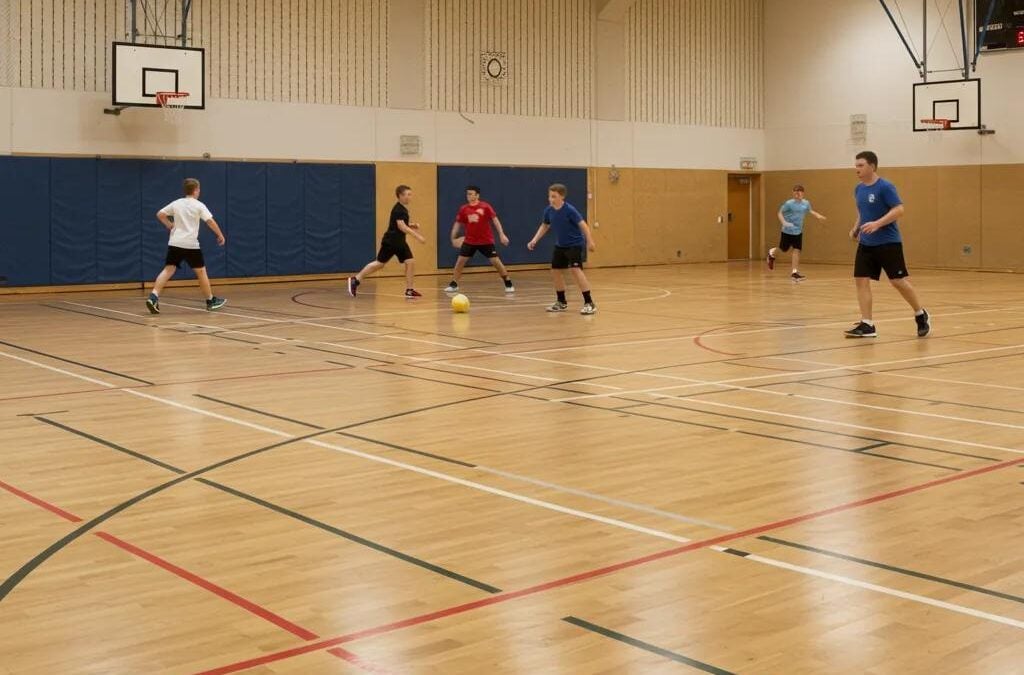
by Sport Pro Surfacing | Oct 28, 2025 | Court Resurfacing, Gym Flooring, University and College Athletics
Mastering Sports Floor Care: Essential Practices & Expert Solutions Keeping a sports floor in top-notch condition is paramount for athlete safety, peak performance, and ensuring its longevity, which ultimately saves you money. Effective athletic flooring upkeep...
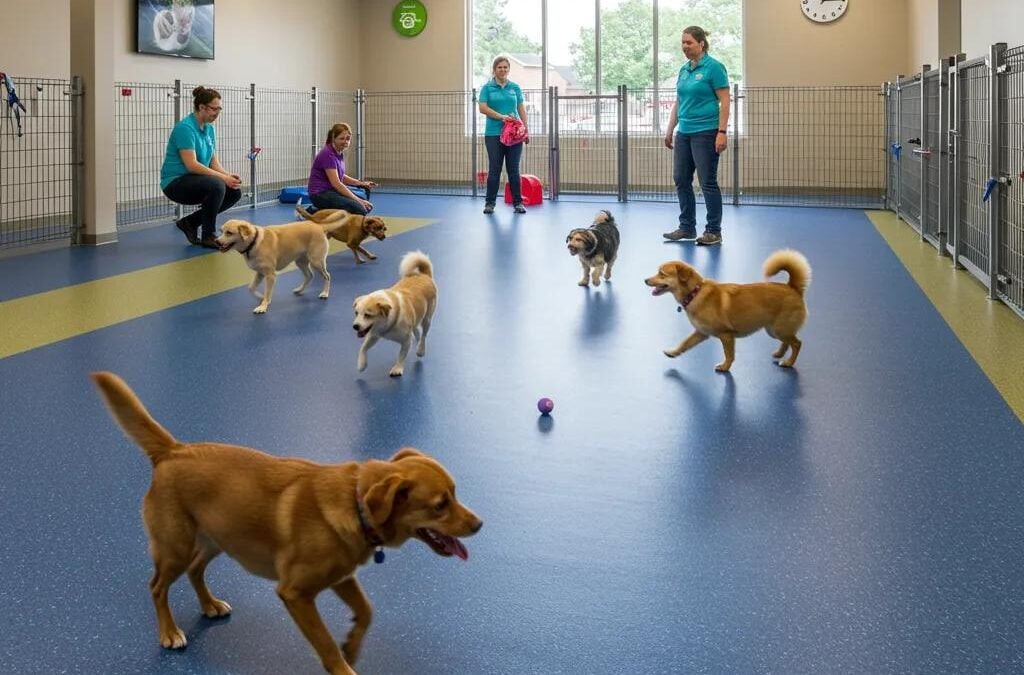
by Sport Pro Surfacing | Oct 23, 2025 | Dog Wash - Kennel Flooring
Durable Dog Daycare Flooring Options: Best Flooring Solutions for Safe, Hygienic, and Long-Lasting Pet Care Facilities Every square metre in a dog daycare withstands constant paw traffic, moisture and rigorous cleaning, demanding flooring that excels in strength,...
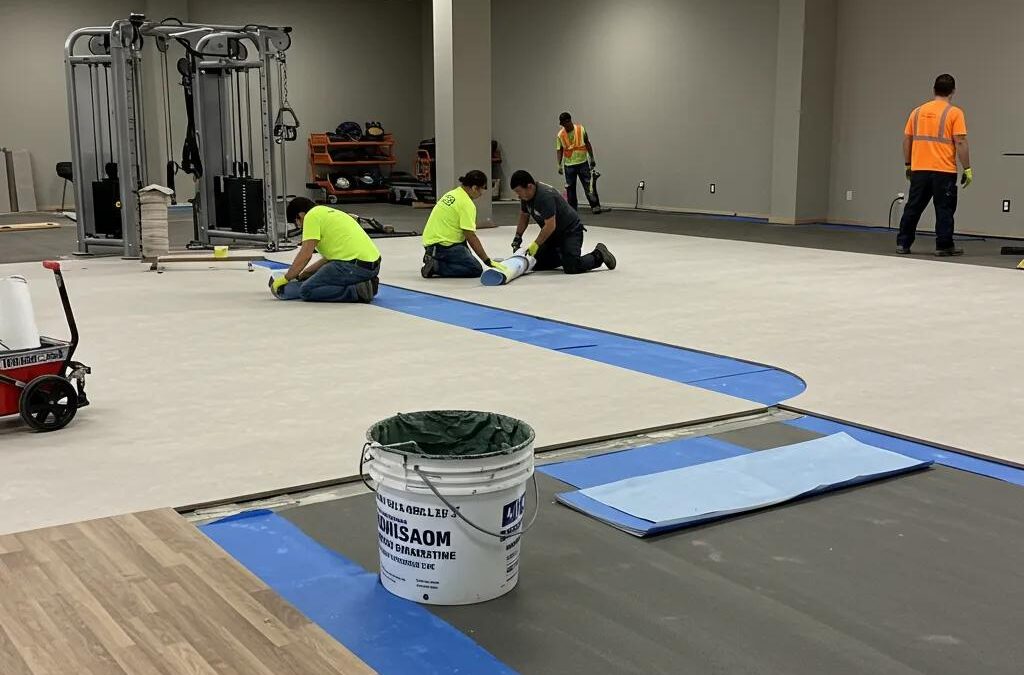
by Sport Pro Surfacing | Oct 21, 2025 | Court Resurfacing, Gym Flooring, Performance Athletic Turf, Rubber Flooring, University and College Athletics
Guard Your Floors: Expert Moisture Damage Prevention for Commercial & Athletic Facilities Excess moisture is a silent saboteur, compromising the integrity of flooring in gyms, schools, and commercial spaces. It leads to warped surfaces, adhesive failures, and the...

by Sport Pro Surfacing | Oct 14, 2025 | Court Resurfacing, Gym Flooring, Leasing, Performance Athletic Turf, Rubber Flooring
Sports Facility Financing Options: Delivering Superior Results Through Flexible Financing at Sport Pro Surfacing Upgrading athletic surfacing often involves significant capital outlay, but tailored financing can turn costly projects into manageable investments. In...

by Sport Pro Surfacing | Oct 14, 2025 | Gym Flooring, Rubber Flooring
Choosing the Right Fitness Center Flooring: Your Complete Guide to Commercial Gym Surfaces and Durability The right fitness center flooring is crucial for athlete safety, peak performance, and the longevity of your facility. This comprehensive gym flooring comparison...
