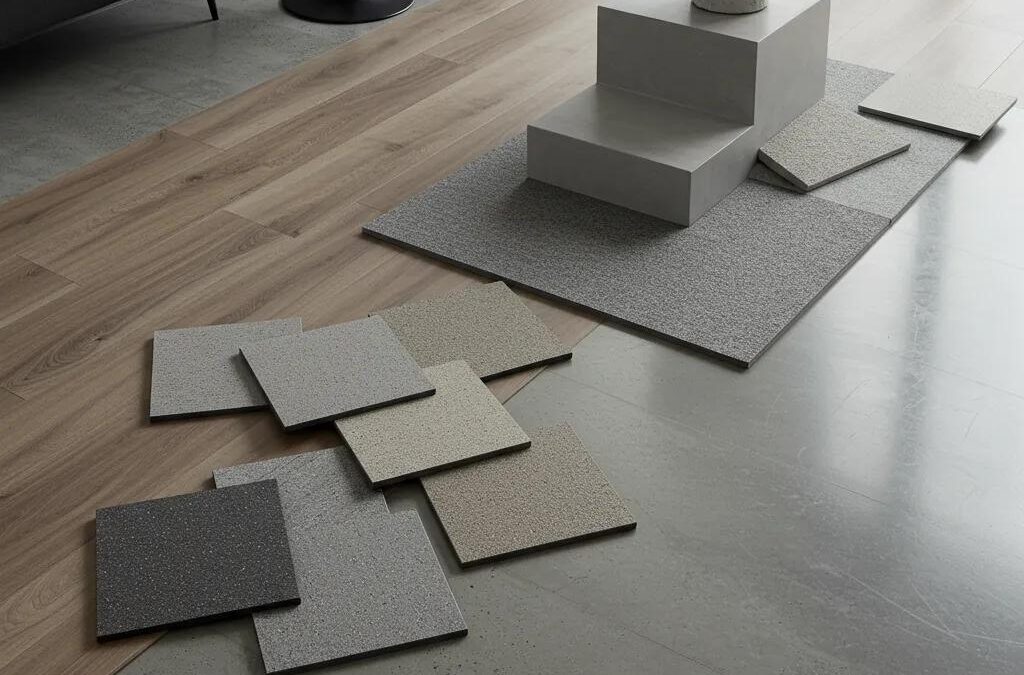
Expert Flooring Insights: Your Guide to Commercial, Industrial, Education, and Athletic Surfaces

Facilities in the commercial and institutional sectors require flooring that expertly balances toughness, safety, visual appeal, and lasting value, all while standing up to constant use and operational demands. Having access to thorough flooring information empowers facility managers to choose the ideal surface for offices, factories, schools, and sports venues, minimising disruption and ensuring all regulations are met. This guide offers expert advice on commercial, industrial, educational, and athletic flooring, covering material types, performance features, installation, and upkeep. You’ll discover:

  1. Top commercial flooring choices and how to install them effectively
  2. Essential industrial surfaces and the regulations they must meet
  3. Flooring solutions specifically for educational settings, from classrooms to university sports arenas
  4. High-performance athletic flooring designed for impact absorption and peak performance
  5. A breakdown of key materials, comparing their cost, long-term value, and environmental impact
  6. Crucial installation, maintenance, and repair services for our commercial clients
  7. The latest trends in UK flooring, along with safety standards and green certifications

What Are the Top Commercial Flooring Solutions for Various Business Settings?

Commercial flooring consists of robust surfaces built to handle foot traffic, the weight of office furniture, and regular cleaning, all while improving workplace safety and reducing noise. By using high-performance materials like vinyl, carpet tiles, and specialist coatings, businesses can achieve a stylish look, quieter environment, and less maintenance downtime.

Which Flooring Types Are Best Suited for Offices, Retail, and Hospitality Venues?
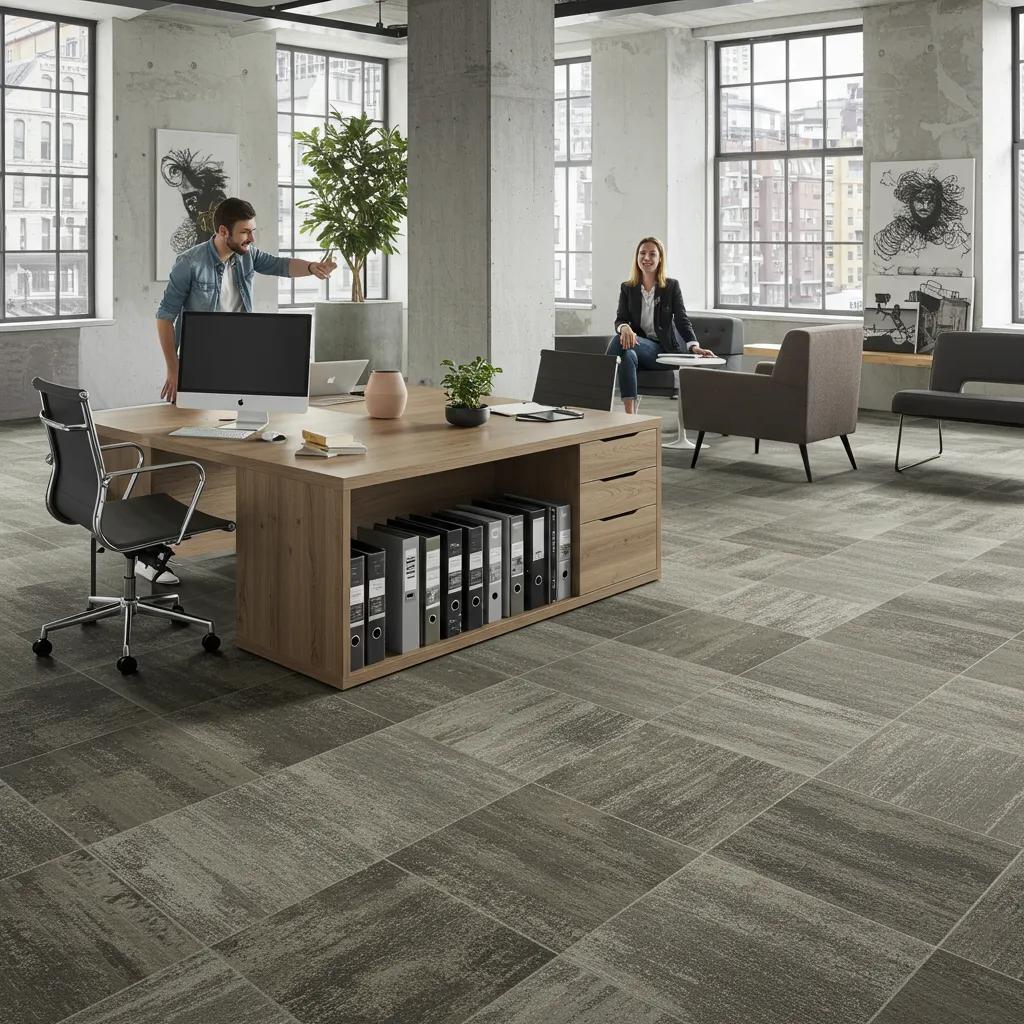
For offices, retail spaces, and hospitality businesses, aesthetics, sound dampening, and durability are often top priorities. Carpet tiles offer zoned comfort and noise reduction, luxury vinyl tiles (LVT) provide design flexibility and water resistance, and sheet vinyl ensures seamless hygiene in busy areas. Each option helps maintain brand image and lowers overall costs.

How Do Commercial Vinyl and Carpet Tiles Enhance Durability and Sound Comfort?

Commercial vinyl gains its toughness from high-density wear layers bonded to a PVC base, making it resistant to scratches and stains. Carpet tiles use nylon fibres combined with backing to absorb impact noise. These systems allow for quick replacement of worn sections, maintaining a professional appearance and supporting ongoing productivity.

What Safety and Hygiene Standards Must Commercial Flooring Meet?

Commercial flooring must meet slip-resistance ratings, fire safety standards (Class Bfl-s1 or higher), and specific hygiene requirements for food service or healthcare areas. Features like antimicrobial treatments and coved skirting help with cleaning and sanitation, ensuring compliance with UK HSE and EU safety directives.

UK and European Flooring Safety Standards: Slip Resistance and Fire Performance

Commercial and industrial flooring must adhere to stringent safety standards, including BS 7976-2:2002 for slip resistance, which uses a pendulum test to assess slip potential, and EN 13501-1 for fire performance, classifying materials based on their reaction to fire with specific ratings like Bfl-s1. These standards are crucial for ensuring public and employee safety.

This research directly supports the article’s claims regarding the specific safety and fire performance standards that commercial and industrial flooring must meet in the UK and EU.

How Can Efficient Installation Minimise Downtime in Commercial Settings?

Fast installation methods, such as using click-lock LVT, pre-cut carpet tiles, and quick-setting adhesives, can reduce facility closures from days to mere hours. Proper subfloor preparation, managing curing times, and scheduling work during off-peak hours allow businesses to reopen sooner, preserving revenue and occupant satisfaction.

What Are the Key Industrial Flooring Types and Their Applications?
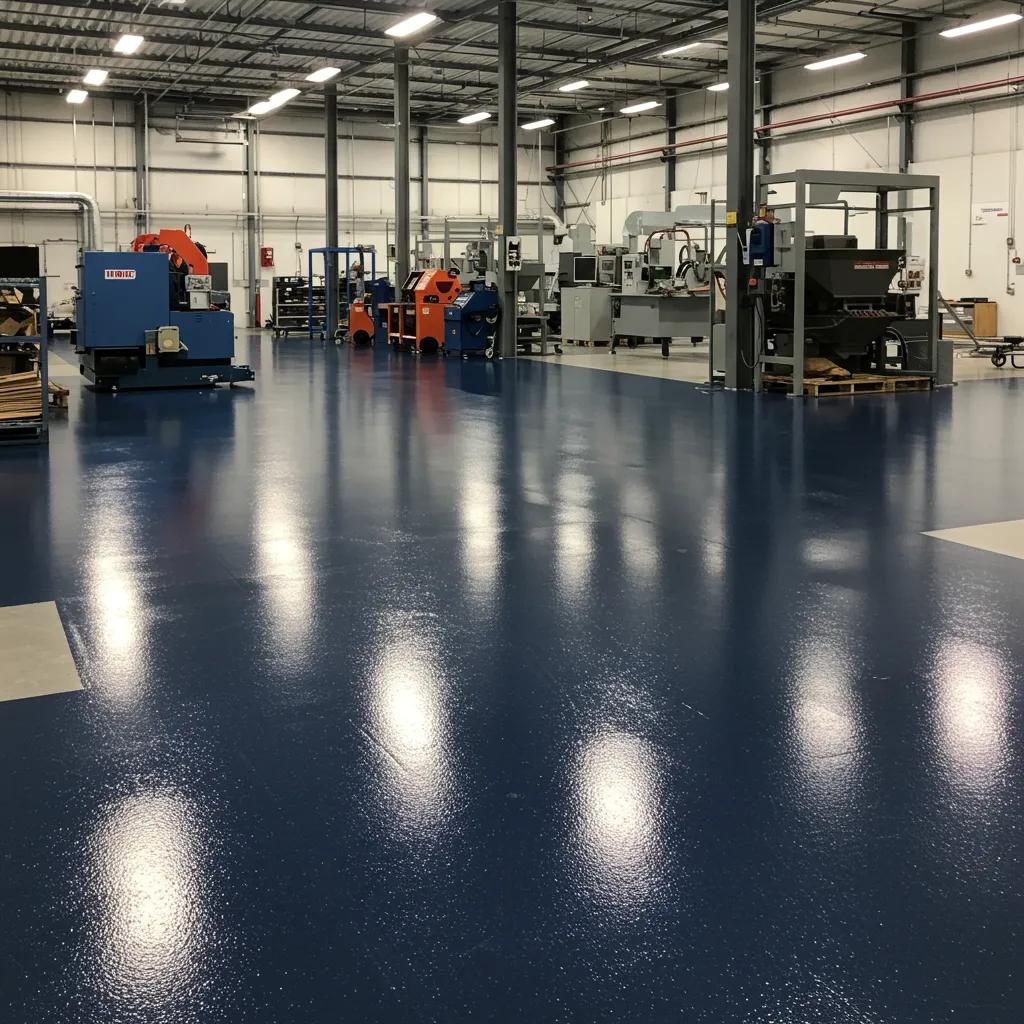
Industrial flooring includes heavy-duty surfacing solutions designed to withstand chemicals, impacts, and forklift traffic. By using polymer resin coatings, polished concrete, or interlocking tile systems, factories and warehouses can ensure safety compliance and achieve a longer service life under demanding conditions.

How Does Epoxy Flooring Provide Durability and Chemical Resistance in Factories?

Epoxy flooring creates a seamless resin surface that cures into a hard, high-gloss finish, resisting oils, acids, and wear. This continuous layer prevents moisture from penetrating the concrete subfloor and makes cleaning straightforward in production areas.

When Is Polished Concrete the Best Choice for Warehouses and Heavy-Duty Areas?

Polished concrete enhances the natural strength of the concrete slab through mechanical grinding and densification, resulting in a dust-free, reflective surface that requires very little maintenance. Its high compressive strength easily supports heavy loads and forklifts, offering a flooring solution that lasts a lifetime and is ideal for modern logistics operations.

What Are the Benefits of Polyurethane and Interlocking Tiles for Industrial Floors?

Polyurethane screeds offer a combination of flexibility and chemical resistance, helping to dampen machinery vibrations and reduce fatigue for workers who stand for long periods. Interlocking PVC or rubber tiles allow for quick repairs in high-traffic zones, isolating damage without needing to replace the entire floor, and contribute to advanced safety compliance.

How Do Industrial Floors Comply with Safety and Anti-Slip Regulations?

Industrial surfaces often incorporate textured finishes, aggregate materials, and anti-slip additives to meet BS 7976-2:2002 slip resistance standards. Clearly marked safety zones, gradient ramps, and hygienic coatings help ensure compliance with EU machinery directives and maintain non-slip performance.

How to Choose the Right Flooring for Schools and Universities?

Educational facilities need flooring that offers sound control, impact cushioning, and hygienic properties, while also being able to withstand the daily wear and tear from students and equipment. Choosing resilient vinyl, rubber, and carpet systems helps protect learning environments, dormitories, and campus sports complexes.

What Flooring Options Offer Durability and Acoustic Comfort in Classrooms?

Carpet tiles with built-in acoustic backing and vinyl flooring with cushioned underlay help reduce background noise, aiding concentration. Wear layers resist scuffs from chairs and trolleys, and colourfast treatments keep high-traffic corridors looking good, making them suitable for busy school environments.

Which Flooring Types Are Best for University Gyms and Sports Facilities?

Rubber sports tiles and rolls provide excellent shock absorption and grip for weight training areas, while sprung maple wood or PU-backed vinyl sports planks offer consistent ball bounce and joint protection for court sports. These systems help keep athletes safe and are ideal for multi-purpose courts.

How Do School and University Floors Meet Safety and Hygiene Requirements?

Flooring in educational settings often features seamless vinyl sheet welding, coved edges, and antibacterial coatings to minimise the spread of germs in areas like canteens and labs. Shock-absorbing rubber flooring in gyms helps reduce the risk of injuries, in line with HSE guidelines.

What Maintenance Practices Extend the Lifespan of Educational Flooring?

Regular vacuuming of carpet tiles, cleaning vinyl with pH-neutral solutions, and periodic resealing of rubber surfaces help maintain slip resistance and appearance. Scheduled inspections can identify issues like edge lifting or delamination early, allowing for targeted repairs that preserve safety and aesthetics.

What Are the Best Athletic Facility Flooring Options for Fitness Centres and Sports Halls?

Athletic flooring systems are designed to absorb impact, control ball rebound, and provide reliable slip resistance. From rubber gym mats to sprung wood sports halls, these solutions enhance performance, reduce injury risk, and simplify upkeep.

How Does Rubber Flooring Provide Shock Absorption and Slip Resistance in Gyms?

Rubber rolls and tiles are made from vulcanised granules bonded with PU, offering consistent energy return and friction underfoot to reduce stress on joints. Textured surfaces help wick away sweat, maintaining grip during dynamic movements.

What Are the Advantages of Sprung Wood and Vinyl Sports Flooring?

Sprung wood floors use subfloor systems that flex to reduce impact forces by up to 25%, making them ideal for court sports. PU-backed vinyl sports planks offer similar benefits in a durable, moisture-resistant format suitable for multi-purpose halls.

How to Select Flooring That Supports Performance and Safety in Athletic Facilities?

Choose a surface rated for vertical deformation, consistent ball bounce, and appropriate hardness according to EN 14904 standards. Ensure it has an anti-slip rating of R10 or higher and includes shockpad integration to protect joints.

Performance and Safety in Athletic Flooring: Adherence to EN 14904 Standards

Athletic facility flooring, such as sprung wood and rubber systems, is engineered to meet European standard EN 14904, which specifies requirements for indoor multi-sports surfaces. This standard ensures optimal shock absorption, ball rebound, and vertical deformation, crucial for athlete safety and performance, reducing injury risk.

This research directly verifies the claims made about athletic flooring, including the EN 14904 standard and the performance attributes like shock absorption, which are vital for fitness centers and sports halls.

What Maintenance Is Required to Keep Sports Flooring in Top Condition?

Regular dry mopping removes dirt, while periodic recoating of polyurethane finishes restores grip and protects wood from wear. Annual impact tests and gasket replacements in sprung systems ensure consistent shock absorption.

How Do Different Flooring Types Compare for Commercial and Industrial Use?

The choice between epoxy, polished concrete, vinyl, and rubber depends on durability needs, installation speed, cost, and sustainability goals. A comparative overview highlights the performance trade-offs to help inform long-term investment decisions.

Here’s a comparison of common industrial and commercial flooring options, detailing key performance metrics and lifecycle considerations.

Flooring TypeTypical LifespanReturn on InvestmentEnvironmental Impact
Epoxy Resin10–20 yearsHigh due to low maintenanceModerate; VOC-controlled resins
Polished ConcreteLifetimeVery High from reduced upkeepLow; minimal materials added
Luxury Vinyl Tile10–15 yearsModerate through easy replacementVaries; recycled content available
Rubber Sport Flooring8–12 yearsModerate; targeted replacementHigh; sustainable granules

This table shows that polished concrete offers exceptional longevity and ROI, while resin systems and resilient tiles provide a balance of cost, durability, and environmental benefits.

What Are the Essential Flooring Installation and Maintenance Services for Commercial Clients?

Professional installation and consistent maintenance are key to ensuring flooring performs well, meets safety standards, maintains its appearance, and operates cost-effectively. Engaging expert advisors early on can prevent surface failures and extend the flooring’s lifespan.

What Are the Key Steps in Professional Flooring Installation?

Expert installation starts with assessing the subfloor and testing for moisture, followed by surface levelling and primer application. Polymer screeds or adhesive systems are applied in controlled layers, with curing times managed based on environmental conditions.

How Can Regular Maintenance Improve Flooring Durability and Safety?

Scheduled deep cleaning, reapplying protective sealants, and using non-abrasive polishing techniques prevent surface wear. Routine inspections can identify wear patterns and moisture issues early, reducing the risk of accidents and extending the operational life of the floor.

When Is Flooring Repair Necessary and What Techniques Are Used?

Repairs are needed when issues like delamination, surface cracks, or worn-through layers compromise safety or appearance. Techniques include spot-bonding loose tiles, injecting resin into concrete cracks, and applying localised overlay systems to restore the floor’s integrity without a full replacement.

How Does Expert Consultation Help Choose the Right Flooring Solution?

Industry consultants evaluate operational demands, traffic patterns, and aesthetic preferences to recommend customised systems. This involves analysing the subfloor, modelling costs, and checking compliance, which minimises risk and ensures the flooring investment aligns with performance needs.

The UK flooring market is constantly evolving with stricter safety regulations, sustainability goals, and new technologies. Staying informed about emerging materials, certifications, and market influences helps businesses remain compliant and competitive.

How Are UK and EU Safety Standards Impacting Flooring Choices?

New standards for slip resistance, fire performance, and hygiene are driving the adoption of engineered coatings and specialist vinyl. Regulations like BS 7976 and EN 13501 set new benchmarks for surface texture and fire reaction, guiding material selection and installation methods.

What Are the Emerging Sustainable Flooring Materials and Certifications?

Environmentally friendly options include cork, linoleum made from linseed oil, and carpets with recycled content, often certified by schemes like BREEAM or Cradle to Cradle. The use of low-VOC adhesives and water-based coatings further reduces environmental impact while supporting corporate sustainability goals.

Advancing Sustainability in Flooring: The Role of BREEAM and Cradle to Cradle Certifications

Certifications like BREEAM and Cradle to Cradle Certified® are crucial for evaluating the environmental performance of flooring products. BREEAM assesses a building’s overall environmental impact, while Cradle to Cradle focuses on material health, circularity, and renewable energy, guiding the development of eco-friendly flooring solutions.

This research directly supports the article’s discussion on emerging UK flooring trends, safety standards, and eco-certifications, particularly highlighting the importance of BREEAM and Cradle to Cradle for sustainability.

How Is Market Growth Influencing Flooring Innovations?

The demand for modular, easily removable flooring systems is driving innovation in composite interlocking materials and self-healing resin formulations. Investment in antimicrobial and anti-static surfaces is also growing, addressing specific needs in healthcare and data centres, and encouraging adaptation across different sectors.

What Are Common Questions About Commercial Flooring Costs and Benefits?

Decision-makers often consider the total cost of ownership, balancing initial expenses against the flooring’s lifespan, maintenance requirements, and energy efficiency. Clear information on projected ROI and warranty terms helps ensure budgets align with performance expectations and long-term risk management.

Facility owners and managers can use this comprehensive flooring information to select materials that meet operational needs, comply with regulations, and align with environmental objectives. Partnering with experienced specialists ensures seamless installation, proactive maintenance, and the best possible value over the flooring’s lifecycle. Contact a flooring expert to discuss your specific requirements and find tailored solutions that enhance safety, performance, and visual appeal.