Rubber vs Vinyl Flooring for Fitness Centers: Comprehensive 2024 Performance Comparison and Buyer’s Guide
Sports Flooring: Safety & Performance Impact
sports flooring—as a core component of sports venues—significantly impacts athletic safety and performance. This paper reviews four kinds of popular used sports flooring
Research Status and Development Trends of Sports Flooring, 2025
What Are the Key Differences Between Rubber and Vinyl Gym Flooring?
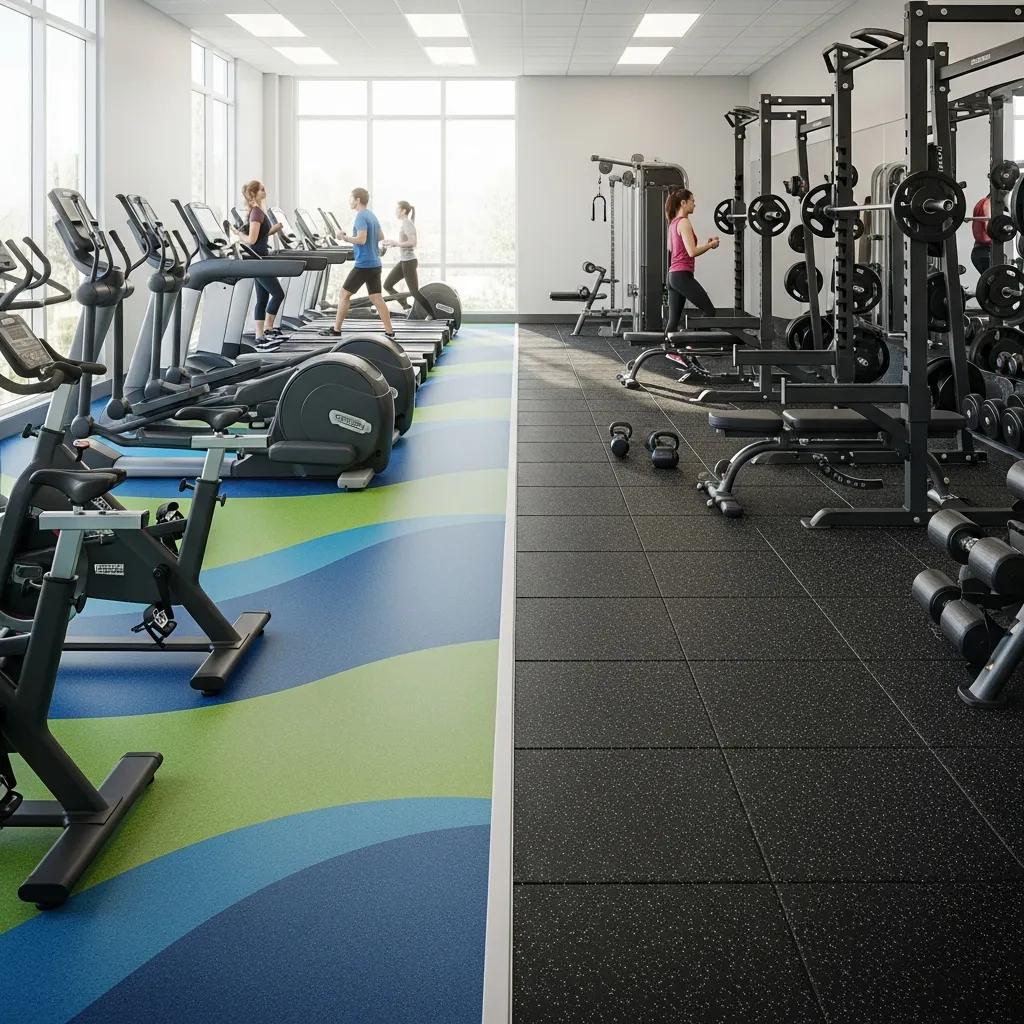
How Do Rubber and Vinyl Flooring Materials Differ in Composition and Design?
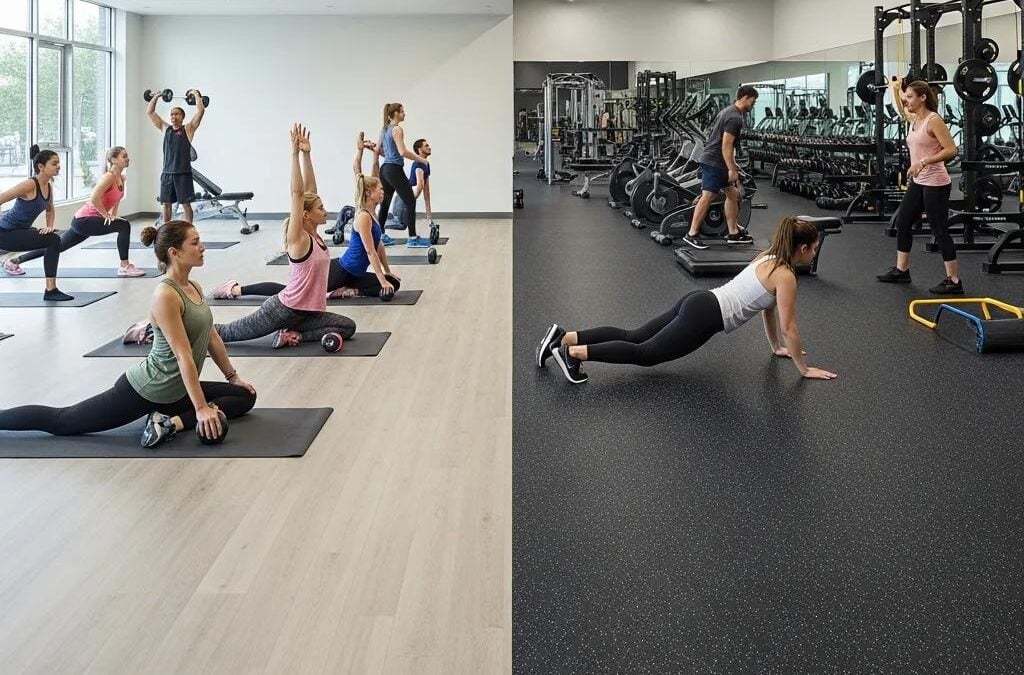
What Are the Typical Applications of Rubber vs Vinyl in Fitness Centers?
How Does Durability and Performance Compare Between Rubber and Vinyl Flooring?
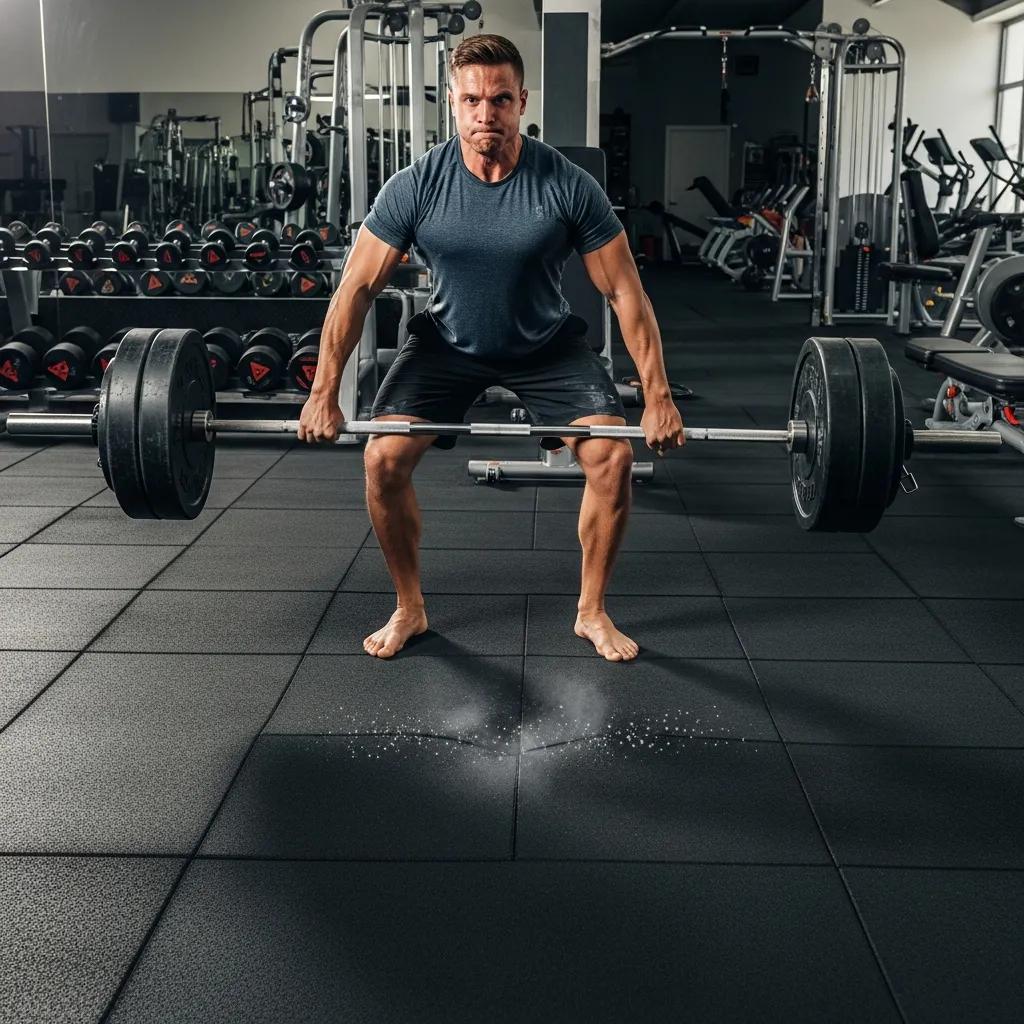
Why Is Rubber Flooring Preferred for Weight Rooms and High-Impact Zones?
Rubber vs. Vinyl: Impact Reduction & Injury Prevention
Shock-absorbing flooring is one potential solution to prevent fall-related injuries. No standards exist to characterize shock-absorbing healthcare flooring. This study explores two mechanical tests for impact force reduction and horizontal force required to move wheeled objects. An appropriately designed rubber underlay can reduce peak impact by 25% compared with 1% with standard vinyl.
A comparison of floor surfaces for injury prevention in care settings: impact forces and horizontal pulling force required to move wheeled equipment, BE Keenan, 2020
What Are Vinyl Flooring’s Strengths in Low-Impact and Multi-Purpose Areas?
What Are the Cost and Maintenance Considerations for Rubber vs Vinyl Flooring?
Shock-Absorbing Flooring: Injury Prevention & Economic Benefits
One care home-based RCT found a novel underlay produced similar injurious falls rates (high-quality evidence) and falls rates (moderate-quality evidence) to a plywood underlay with vinyl overlay and concrete sub-floors. Very low-quality evidence suggested that shock-absorbing flooring may reduce injuries in hospitals (Rate Ratio 0.55, 95% CI 0.36 to 0.84, 2 studies; 27.1% vs. 42.4%; Risk Ratio (RR) = 0.64, 95% CI 0.44 to 0.93, 2 studies) and care homes (26.4% vs. 33.0%; RR 0.80, 95% CI 0.70 to 0.91, 3 studies), without increasing falls. Economic evidence indicated that if injuries are fewer and falls not increased, then shock-absorbing flooring would be a dominant strategy. Fracture outcomes were imprecise; however, hip fractures reduced from 30 in 1000 falls on concrete to 18 in 1000 falls on wooden sub-floors (OR 0.59, 95% CI 0.45 to 0.78; one study; very low-quality evidence). Staff found moving wheeled equipment harder on shock-absorbing floors leading to work
The SAFEST review: a mixed methods systematic review of shock-absorbing flooring for fall-related injury prevention, A Drahota, 2022
How Do Initial and Lifetime Costs Compare for Rubber and Vinyl Gym Floors?
What Are the Maintenance Requirements and Longevity of Each Flooring Type?
How Can Hybrid Flooring Solutions Optimize Fitness Center Performance and Aesthetics?