Indoor Athletic Turf Installation: Performance Solutions and Cost Insights for Training Facilities

Indoor athletic turf has become a vital component in training facilities, providing a versatile surface that enhances performance and safety for athletes. This article delves into the benefits of indoor athletic turf, the types available, the installation process, cost factors, maintenance tips, and the sports that benefit most from this innovative flooring solution. Readers will gain insights into how indoor turf can transform training environments, ensuring optimal performance and safety for athletes. As training facilities seek to improve their offerings, understanding the advantages of indoor athletic turf becomes essential. This guide will cover key benefits, installation processes, cost considerations, and maintenance practices, providing a comprehensive overview for facility managers and owners.

What Are the Key Benefits of Indoor Athletic Turf for Training Facilities?

Indoor athletic turf offers numerous advantages that make it an ideal choice for training facilities. These benefits include enhanced athlete performance, improved safety, durability, and relatively low maintenance requirements. By understanding these key benefits, facility managers can make informed decisions about their flooring options.

How Does Indoor Turf Enhance Athlete Performance and Safety?

Indoor turf enhances athlete performance by providing a consistent and reliable surface that improves traction and grip. This is crucial for athletes during high-intensity training sessions, as it allows for better acceleration and deceleration. Additionally, the shock absorption features of indoor turf reduce the impact on joints, which can help lower the risk of injuries. While some studies suggest that turf surfaces can reduce certain types of injuries compared to harder surfaces, injury rates can vary depending on turf quality and maintenance. Overall, indoor turf is considered a safer option than many hard flooring surfaces for rigorous training.

Research further supports the notion that synthetic turf offers distinct advantages in terms of both performance and safety for athletes.

Indoor Artificial Turf: Performance & Safety Benefits

important factor in sport, from both a performance and a player perceived benefits of synthetic turf over natural turfgrass is use of outdoor and indoor artificial turf fields is not associated

Synthetic turf: history, design, maintenance, and athlete safety, AS McNitt, 2019

What Makes Performance Turf Durable and Low Maintenance?
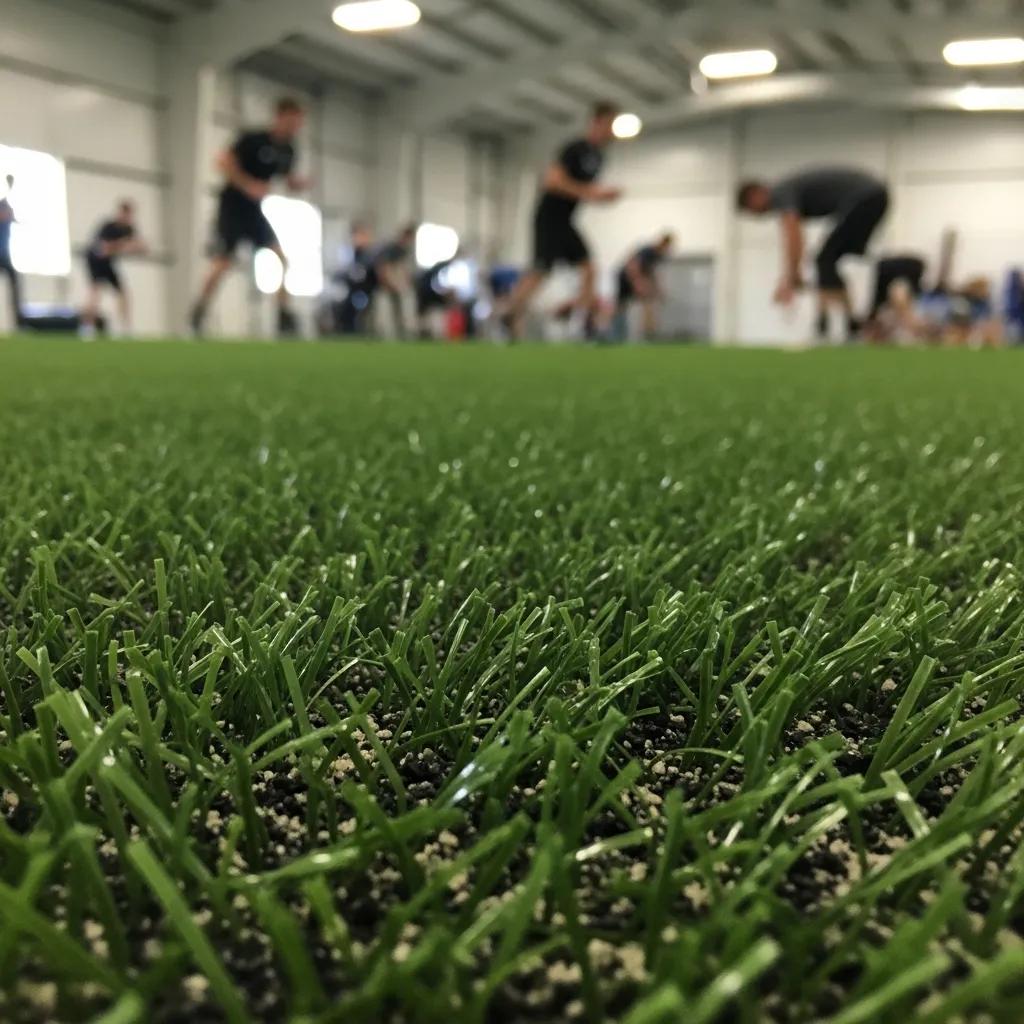
Close-up of durable synthetic turf in an indoor training facility with athletes training in the background, highlighting performance and safety benefits of artificial turf for rigorous athletic activities.

Performance turf is designed to withstand heavy use while maintaining its appearance and functionality. The high-quality synthetic fibers and backing materials used in its construction contribute to its durability, allowing it to resist wear and tear over time. Furthermore, indoor turf requires less maintenance compared to natural grass or some other flooring options. Regular cleaning and occasional brushing are typically sufficient to keep the surface in optimal condition, making it a cost-effective choice for training facilities.

Which Types of Indoor Athletic Turf Are Best for Commercial Gym Flooring?

When selecting indoor athletic turf for commercial gym flooring, various types are available, each suited for different sports and activities. Understanding these options can help facility managers choose the best fit for their needs.

What Are the Differences Between Synthetic Sports Turf and Rubber Flooring?

Synthetic sports turf and rubber flooring each have unique characteristics that cater to different training needs. Synthetic turf provides a grass-like feel, making it ideal for sports that require a natural surface, such as soccer and football. In contrast, rubber flooring offers excellent shock absorption and is often used in weightlifting areas or for activities that involve high-impact movements. The choice between these two options depends on the specific sports and training activities the facility aims to support.

How Do Customization Options Improve Athletic Facility Turf Solutions?

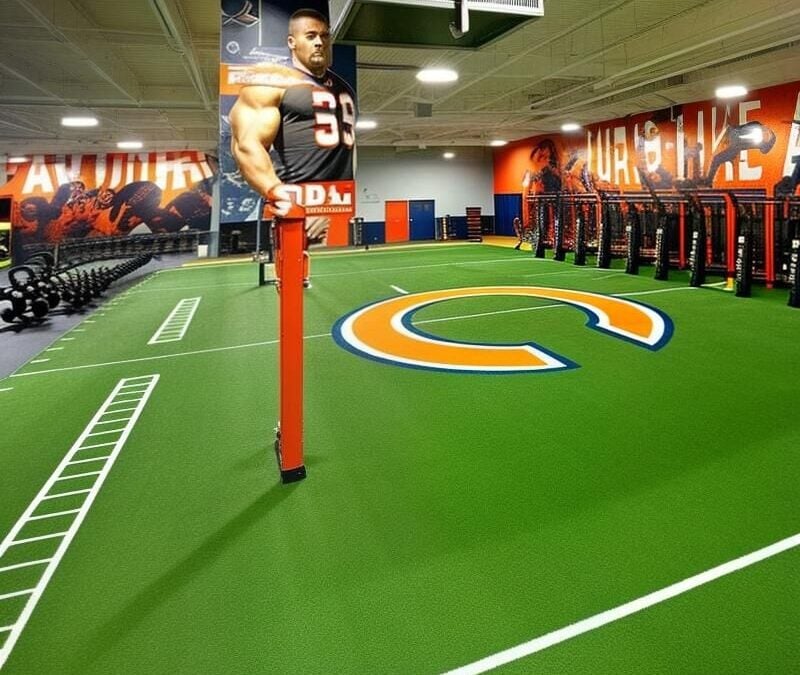
Customization options for indoor athletic turf can significantly enhance the functionality and aesthetics of training facilities. Facilities can choose specific colors, patterns, and markings that align with their branding or the sports they cater to. This level of customization not only improves the visual appeal of the space but also allows for tailored training experiences, such as specific field markings for soccer or football, enhancing the overall training environment.

How Is Indoor Athletic Turf Installed Professionally for Optimal Performance?

Professional installation of indoor athletic turf is crucial to ensure optimal performance and longevity. The installation process involves several key steps that must be followed meticulously.

What Are the Steps in the Indoor Turf Installation Process?
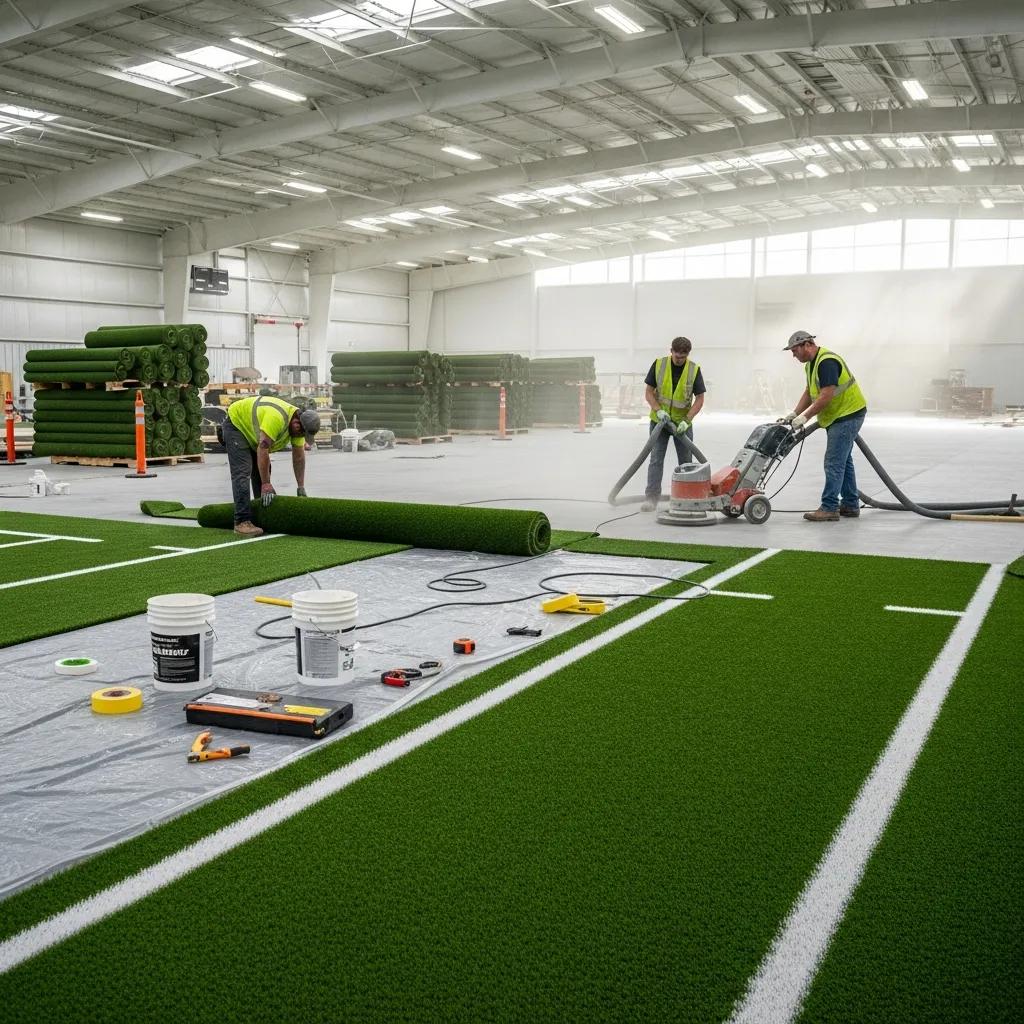
Professional installation of indoor athletic turf in a training facility, featuring workers laying turf rolls, using tools, and preparing the surface for optimal performance.

The installation process for indoor turf typically begins with preparing the subfloor, which involves ensuring a level and clean surface. Next, the turf is laid out and cut to fit the designated area. Adhesives or fasteners are then used to secure the turf in place, followed by the application of infill materials—such as rubber granules or sand—to enhance performance characteristics. Finally, a thorough inspection is conducted to ensure that the installation meets quality standards.

The choice and application of infill materials are critical, as studies highlight their significant role in the overall performance and safety of synthetic turf systems.

Synthetic Turf Infill: Performance & Safety Impact

size and distribution of the infill plays a key role in the superior field performance in 3G turf. This study has identified different performance characteristics of three synthetic turf infills in a

Impact of alternative synthetic turf infills on athlete performance and safety, 2020

Why Choose Professional Installation Over DIY for Gym Turf Flooring?

Choosing professional installation over DIY for gym turf flooring offers several advantages. Professionals bring expertise and experience, ensuring that the turf is installed correctly and efficiently. This not only saves time but also reduces the risk of costly mistakes that could arise from improper installation. Additionally, professional installers often provide warranties, giving facility managers peace of mind regarding the durability and performance of their investment.

What Factors Influence the Cost of Indoor Athletic Turf Installation?

Several factors influence the cost of indoor athletic turf installation, making it essential for facility managers to understand these elements when budgeting for their projects.

How Do Material and Labor Affect Installation Budgets?

Material costs play a significant role in the overall budget for indoor turf installation. High-quality turf materials may have a higher upfront cost but can lead to long-term savings due to their durability and low maintenance requirements. Labor costs also vary based on the complexity of the installation and the expertise of the installers. Facility managers should consider both material and labor costs when planning their budgets to ensure they allocate sufficient funds for a successful installation.

What Is the Return on Investment for Performance Indoor Athletic Flooring?

Investing in performance indoor athletic flooring can yield significant returns over time. Facilities that choose high-quality turf often see increased usage rates, as athletes are drawn to safe and reliable training environments. Additionally, the durability of performance turf reduces the need for frequent replacements, leading to long-term cost savings. Enhanced athlete performance and safety can also contribute to a facility’s reputation, attracting more clients and increasing revenue.

How Should Facilities Maintain Indoor Athletic Turf to Maximize Lifespan?

Proper maintenance is crucial for maximizing the lifespan of indoor athletic turf. Implementing best practices can help facilities keep their turf in excellent condition for years to come.

What Are Best Practices for Cleaning and Repairing Synthetic Turf?

Regular cleaning is essential to remove debris and maintain the appearance of synthetic turf. Facilities should establish a cleaning schedule that includes brushing the turf to prevent matting and using specialized equipment to remove dirt and stains. Additionally, addressing any repairs promptly, such as replacing damaged sections or infill materials, can prevent further deterioration and extend the turf’s lifespan.

How Does Proper Maintenance Enhance Safety and Performance?

Proper maintenance of indoor athletic turf not only preserves its appearance but also enhances safety and performance. Well-maintained turf provides consistent traction and shock absorption, reducing the risk of injuries during training. Regular inspections and maintenance ensure that any potential hazards are addressed promptly, creating a safer training environment for athletes.

Which Sports and Training Activities Benefit Most from Indoor Athletic Turf?

Indoor athletic turf is versatile and can accommodate a wide range of sports and training activities. Understanding which sports benefit most can help facilities tailor their offerings.

What Turf Features Support High-Intensity Training and Multi-Sport Use?

The features of indoor athletic turf, such as its durability and shock absorption, make it suitable for high-intensity training and multi-sport use. Athletes engaged in sports like soccer, football, and CrossFit can train effectively on turf that provides the necessary support for their movements. The ability to withstand heavy foot traffic and impact makes indoor turf an ideal choice for facilities that cater to various athletic disciplines.

Further enhancing safety, the integration of shock pads beneath synthetic turf is a recognized method for improving energy absorption and reducing impact forces during athletic activities.

Synthetic Turf Shock Pads for Impact Absorption

Adding a shock pad under synthetic turf carpet is claimed to aid in energy absorption and decrease impact loading. Although some studies have conducted materials tests and compared mechanical characteristics of synthetic turf with different shock pads, no studies have examined biomechanical characteristics of impact related human movements on an infilled synthetic turf system with different underlying shock pads.


Effects of synthetic turf and shockpads on impact attenuation related biomechanics during drop landing, H Qu, 2016

How Does Turf Customization Cater to Specific Sports Like Soccer and CrossFit?

Customization options for indoor athletic turf allow facilities to cater to specific sports effectively. For example, soccer fields can be marked with appropriate lines and logos, while CrossFit areas can feature turf designed for agility drills and high-impact workouts. This level of customization enhances the training experience for athletes, making it easier for them to practice and compete in their respective sports.

Cost FactorDescriptionImpact on Budget
Material QualityHigher quality turf materials lead to better durability and performanceIncreases initial costs but reduces long-term expenses
Labor ExpertiseSkilled installers ensure proper installation, minimizing future issuesHigher labor costs can lead to better outcomes
CustomizationTailored turf options can enhance functionality and aestheticsAdditional costs but improves facility appeal

This table illustrates how various cost factors can influence the overall budget for indoor athletic turf installation, emphasizing the importance of quality and expertise in achieving long-term value.

Indoor athletic turf installation presents a valuable opportunity for training facilities to enhance athlete performance and safety while providing a durable and relatively low-maintenance flooring solution. By understanding the benefits, installation processes, cost factors, and maintenance practices, facility managers can make informed decisions that will positively impact their operations and the athletes they serve.