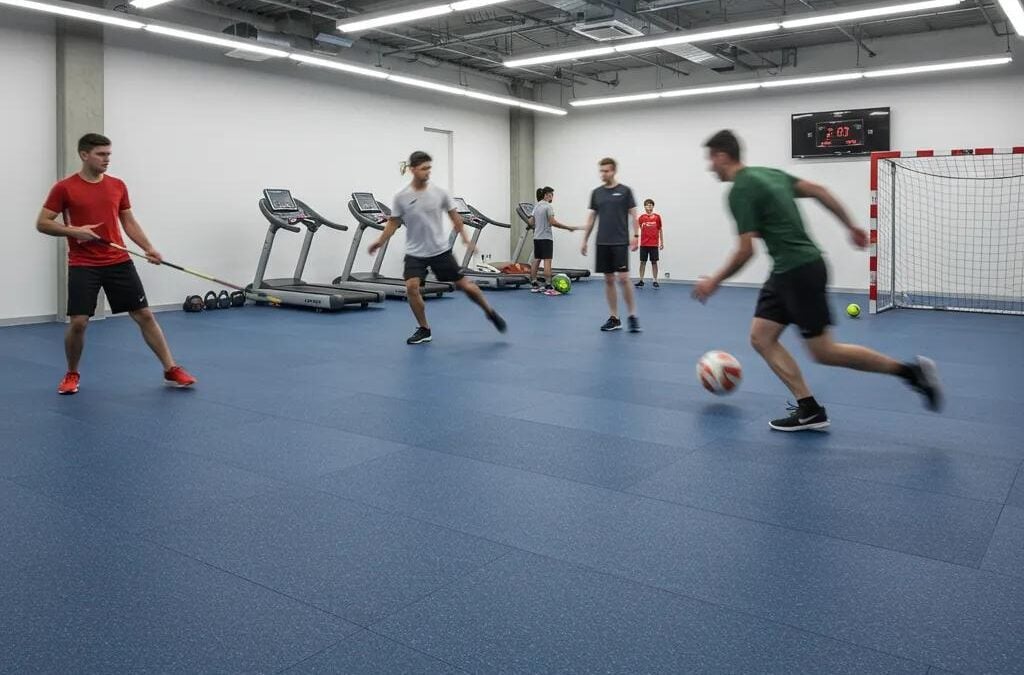
The global demand for sports flooring is booming, valued at USD 2.95 billion in 2025. This surge highlights facility managers’ focus on surfaces that offer exceptional durability, eco-friendly features, and data-driven performance insights. This article dives into the cutting-edge gym flooring and athletic flooring trends that are revolutionizing modern courts, weight rooms, and multipurpose spaces. You’ll discover:

  • Key advancements in durability and performance
  • Sustainable materials and environmentally conscious installation methods
  • Smart flooring technologies for real-time athlete tracking
  • Innovations in customization and aesthetics
  • Benefits of versatility, ease of maintenance, and acoustic improvements
  • Factors driving the market and future projections

Whether you oversee a university gym, a fitness center, or a commercial sports complex, these insights will empower you to choose next-generation solutions. You can also explore personalized consultations with the seasoned experts at SPSurfacing.

Global Sports Flooring Market Growth and Projections

The global sports flooring market is valued at approximately USD 2.95 billion in 2025 and is projected to reach USD 4.16 billion by 2035, demonstrating a compound annual growth rate (CAGR) of 3.5%. This growth is attributed to increased health awareness, infrastructure investments, and technological advancements in the industry.

This research directly supports the article’s initial claim regarding the market valuation of sports flooring in 2025 and its future projections for 2035, highlighting key market drivers.

Durability and performance trends are crucial for sports surfaces, dictating how well they withstand high-impact activities, optimize energy return, and ensure athlete safety through engineered resilience. Manufacturers are concentrating on materials that resist wear, provide consistent grip, and absorb shock to minimize injuries and maintenance expenses.

Which Advanced Materials Enhance Longevity and Resilience?

Today’s high-performance gym flooring utilizes materials like rubber, polyurethane, and engineered hardwood to strike a balance between toughness and athlete comfort.

MaterialCharacteristicBenefit
Recycled RubberHigh densitySuperior shock absorption and slip resistance
Polyurethane CoatingUV-stable surfaceLong-term colour retention and abrasion resistance
Engineered HardwoodMulti-layer coreConsistent bounce and reduced expansion

These materials work together to support heavy equipment, intense plyometric workouts, and constant foot traffic. This naturally leads to how surface grip and cushioning enhance safety.

How Do Shock Absorption and Grip Improve Athlete Safety?

Effective shock absorption cushions joints and reduces strain during sprints, jumps, and weightlifting. Simultaneously, optimized grip prevents slips on sweaty courts. By dissipating impact forces, these sports surfaces decrease the risk of ligament injuries and muscle fatigue, underscoring the importance of commercial standards under rigorous use.

What Makes Commercial Sports Surfaces Suitable for High-Impact Activities?

Commercial sports surfaces adhere to strict durability standards, including tensile strength and indentation resistance, to handle constant loads. They feature reinforced subfloors and moisture barriers to prevent delamination, creating stable platforms for basketball, CrossFit, and indoor turf applications without compromising comfort. This sets the stage for discussing eco-friendly alternatives.

How Is Sustainability Shaping the Future of Gym Flooring Solutions?
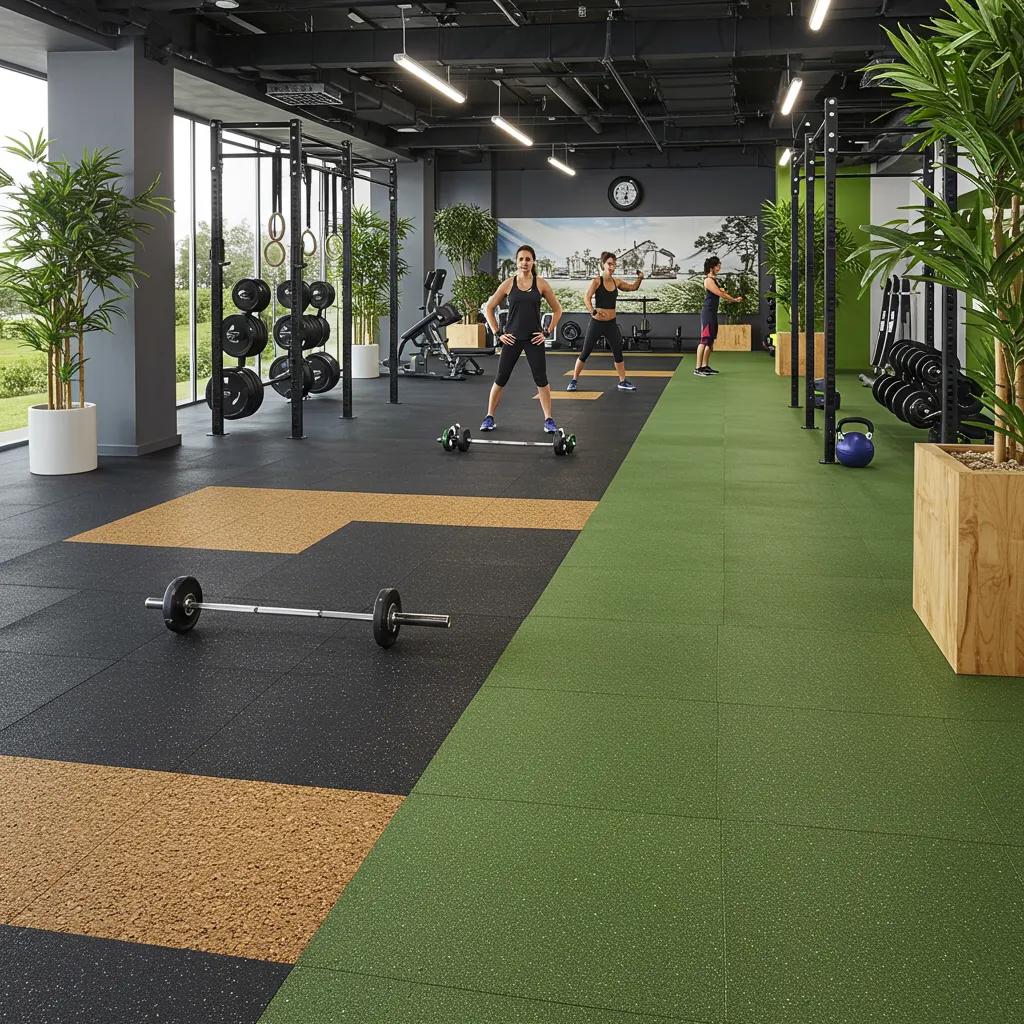
Eco-friendly gym interior with sustainable flooring materials, featuring black rubber, cork, and green tiles; athletes engaged in workouts, showcasing a natural and clean workout environment.

Sustainable gym flooring incorporates recycled and renewable components, minimizes volatile organic compounds (VOCs), and meets green building certifications to safeguard both athlete health and the environment. Facility managers are now prioritizing eco-credentials alongside performance and long-term support.

What Are the Benefits of Recycled Rubber, Bamboo, and Cork Flooring?

An eco-innovative approach employs materials that are reclaimed or responsibly harvested, delivering performance comparable to virgin options.

MaterialEco-AttributePerformance Advantage
Recycled RubberDiverts waste from landfillsExcellent shock absorption and durability
Bamboo FlooringRapidly renewableHigh hardness and natural aesthetics
Cork FlooringBiodegradableNatural softness and antimicrobial properties

These renewable choices reduce carbon footprints and pave the way for discussing low-VOC adhesives and healthier installation methods.

How Do Low-VOC Adhesives and Green Installation Practices Improve Indoor Air Quality?

Low-VOC adhesives minimize off-gassing during and after installation, contributing to better respiratory health and compliance with standards like LEED and BREEAM. Green installation practices, such as using moisture-curing adhesives and precision cutting, reduce waste and speed up facility reopening. This naturally leads facility managers to view sustainability as a top priority.

Why Are Sustainable Sports Surfaces Becoming a Priority for Facility Managers?

Facility managers are seeking surfaces that combine environmental responsibility with long-term cost savings. By selecting options like recycled rubber or cork, coupled with lifecycle planning services from SPSurfacing, organizations can reduce disposal fees and earn green building points, encouraging wider adoption of sustainable athletic flooring solutions.

Sustainable Materials and Practices in Modern Sports Flooring

The adoption of sustainable sports flooring is driven by the use of eco-friendly materials like recycled rubber, bamboo, and cork, which offer durability, shock absorption, and reduced environmental impact. Additionally, the use of low-VOC adhesives and adherence to green building certifications like LEED and BREEAM are crucial for improving indoor air quality and promoting healthier athletic environments.

This citation supports the article’s focus on sustainable gym flooring solutions, outlining the benefits of specific eco-friendly materials and the importance of low-VOC adhesives and green building standards for environmental stewardship and athlete health.

What Are the Latest Innovations in Smart Athletic Flooring Technology?
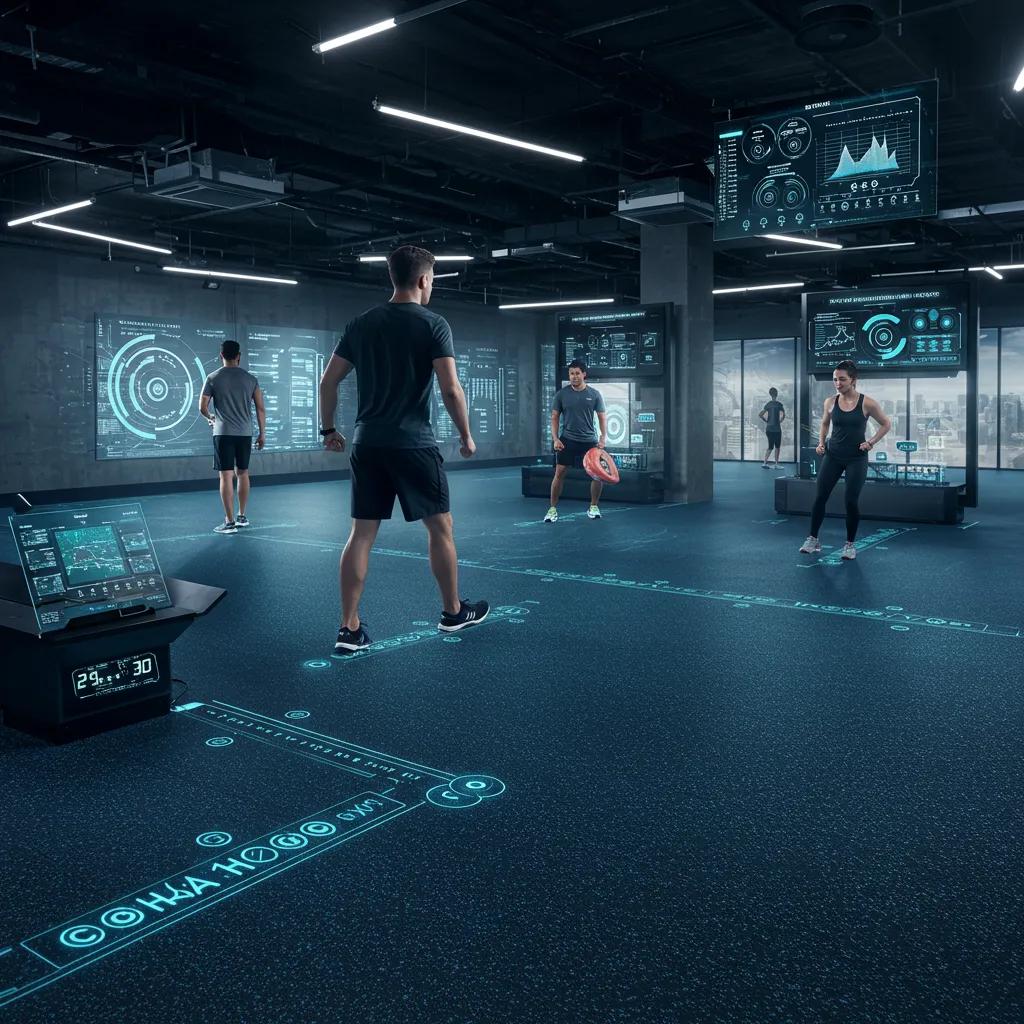
High-tech athletic facility featuring smart flooring with integrated performance tracking technology, athletes training with real-time data displays, and interactive features for optimizing training efficiency.

Smart athletic flooring integrates sensors and interactive features to collect real-time data on movement, load distribution, and player performance. These systems provide valuable insights for optimizing training efficiency and preventing injuries.

How Do Integrated Sensors Track Athlete Performance and Prevent Injuries?

  • They monitor load distribution to identify landing stresses that could lead to ACL injuries.
  • They analyze stride patterns to help optimize running form and manage fatigue.
  • They alert coaches to asymmetries that might signal overuse injuries.

By delivering actionable data to performance dashboards, sensor-equipped surfaces seamlessly connect with LED-guided drills, which we’ll discuss next.

Innovations in Smart Athletic Flooring and Performance Tracking

Smart athletic flooring integrates advanced sensors to track real-time athlete performance metrics such as speed, acceleration, pressure distribution, and stride dynamics. These systems provide valuable data for optimizing training, preventing injuries, and enhancing overall athletic efficiency through immediate feedback and cloud-based analytics.

This information verifies the article’s claims about smart athletic flooring, detailing how integrated sensors function to track athlete performance and provide data-driven insights for training and injury prevention.

What Role Do LED-Integrated Courts Play in Dynamic Training Environments?

LED-integrated courts feature dynamic displays for game lines, reaction lights, and drill patterns that adapt in real time. Athletes interact with visual cues projected beneath tempered glass lines, enhancing agility, hand-eye coordination, and split-second decision-making through dynamic feedback loops.

What Is the Future Outlook for Interactive and Data-Driven Sports Flooring?

Interactive flooring will evolve to incorporate haptic feedback and AI analytics for predicting injury risks and personalizing workouts. Cloud-connected surfaces may synchronize across multiple venues, offering remote coaches performance benchmarking and virtual competition capabilities, heralding a new era of intelligent athletic environments.

Customization goes beyond colors, extending to branded patterns and modular elements that reinforce facility identity and enhance the user experience. Contemporary aesthetics blend team spirit with versatile court layouts.

How Do Custom Logos and Colour Schemes Enhance Facility Branding?

Facility managers can integrate high-resolution logos and custom color palettes using durable inlay techniques that resist wear. This branding boosts school spirit, sponsorship visibility, and wayfinding, all while maintaining optimal surface performance.

Facilities are now using multi-hue segmentation to accommodate multiple sports simultaneously—such as basketball, volleyball, and pickleball—with contrasting court markings.

  • Courts feature translucent borders for integrated under-floor LED lighting.
  • Gradient color blends define functional zones for HIIT and group classes.
  • Interlocking tile systems allow for rapid reconfiguration of court layouts.

These innovations highlight how design versatility directly supports multipurpose applications, which we’ll explore next.

How Does Flooring Aesthetics Impact Athlete Experience and Facility Appeal?

Visually appealing surfaces can boost athlete motivation, enhance brand perception, and increase spectator engagement. A polished finish and vibrant graphics create a professional atmosphere that supports recruitment, sponsorship, and community pride.

What Are the Advantages of Multi-Purpose and Versatile Sports Flooring Systems?

Versatile flooring systems are designed to accommodate a wide range of activities, from weightlifting platforms to yoga studios, using modular and resilient materials that adapt quickly without compromising performance.

Which Flooring Solutions Support Diverse Athletic Activities Like HIIT, Yoga, and Weightlifting?

  1. Impact-absorbing rubber tiles are ideal for HIIT circuits, cushioning explosive movements.
  2. Low-profile vinyl panels offer slip resistance for yoga and stretching areas.
  3. Removable hardwood lay-ups can be used for basketball or dance performances.

These solutions demonstrate how modularity promotes flexibility and cost-effectiveness in response to evolving facility demands.

How Do Modular Sports Flooring Systems Offer Flexibility and Easy Maintenance?

Modular sports flooring utilizes interlocking panels that can be replaced individually, reducing downtime and refurbishment costs. Integrated noise-dampening cores absorb equipment clatter, allowing adjacent zones to remain undisturbed. This leads into best practices for facility design.

What Are Best Practices for Designing Multi-Use Athletic Facilities?

  • Zone layouts should separate high-impact areas from cardio and recovery spaces.
  • Subfloor grading is essential to ensure proper drainage and surface flatness.
  • Lighting plans should complement floor graphics and sensor accuracy.

By integrating these elements, facilities can achieve seamless transitions and maximize usable square footage.

How Does Ease of Maintenance and Noise Reduction Influence Modern Sports Flooring Choices?

Maintenance-friendly surfaces help minimize lifecycle costs, while acoustic enhancements contribute to a focused training environment, particularly in multi-tenant buildings.

What Are the Benefits of Seamless and Hygienic Flooring Surfaces?

  • Seamless polyurethane systems repel bacteria and require only mild detergents for cleaning.
  • Antimicrobial coatings inhibit mold growth in moisture-prone areas.
  • Monolithic installations eliminate grout lines where allergens can accumulate.

These hygienic solutions extend surface integrity and support athlete health, preparing us to examine acoustic benefits.

How Do Acoustic Solutions Improve Workout Environments?

Acoustic underlays and cork composites absorb impact noise and reduce sound transmission by up to 20 dB. By controlling reverberation, these systems promote concentration and accommodate mixed-use facilities without disturbing neighboring spaces.

What Maintenance Strategies Extend the Lifecycle of Sports Flooring?

Routine inspections and subfloor moisture control mitigate risks of delamination, while scheduled resurfacing restores traction and aesthetics. Partnering with SPSurfacing for lifecycle planning ensures predictable budgets and consistent performance over decades.

Market expansion is fueled by growing health awareness, infrastructure investments, and rapidly advancing technologies that are redefining athletic environments.

How Is Increased Health Awareness Driving Sports Flooring Demand?

A heightened focus on preventive wellness and injury reduction is driving demand for shock-absorbing, antimicrobial surfaces in schools, corporate wellness centers, and public sports venues. This health-centric trend highlights the shift toward performance-oriented flooring solutions.

What Role Do Infrastructure Investments and Technological Advancements Play?

Substantial investments in community sports centers and university athletic upgrades are funding large-scale installations. Concurrently, research and development in smart materials, such as phase-change impact layers, are spurring innovations that enhance energy return and injury analytics.

How Will Sustainability and Smart Technology Shape the Market by 2035?

By 2035, an anticipated convergence of eco-certified composites and integrated sensor networks will lead to self-monitoring floors capable of automatically adjusting surface properties for different sports. This synergy promises reduced maintenance overheads and richer athlete insights on a global scale.

Sport Pro Surfacing’s expertise in custom logo inlays, recycled rubber installations, and sensor-ready subfloors positions your facility at the cutting edge of these trends. Request a consultation today to explore gym flooring solutions that boost performance, protect your investment, and reflect your brand vision.