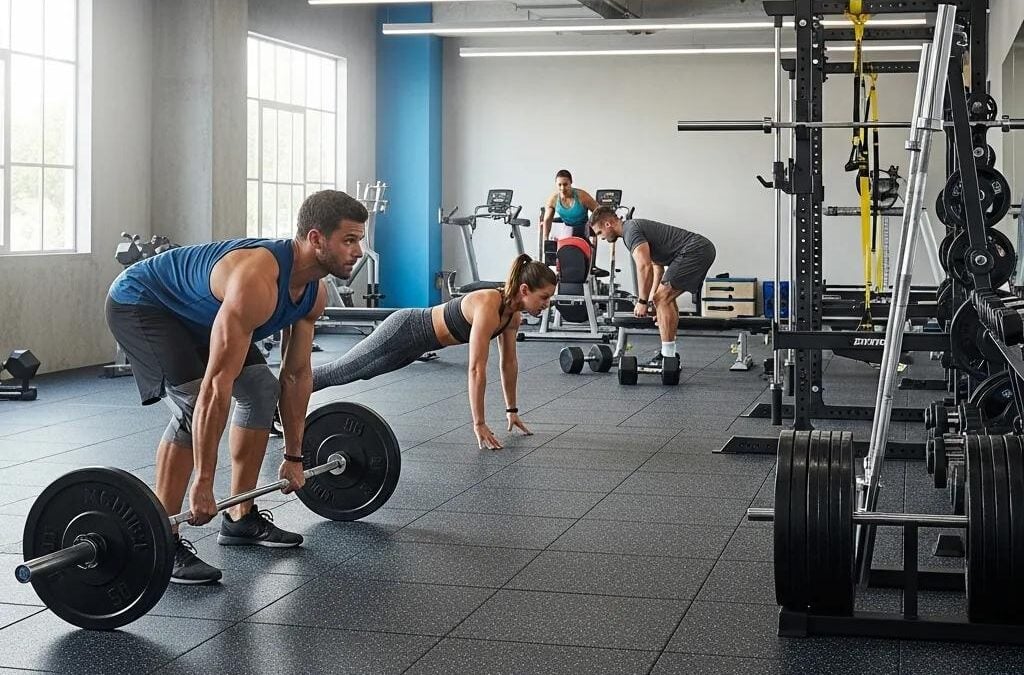
Weight Room Flooring Solutions: Complete Guide to Durability, Safety & Performance for Commercial Gyms

Choosing the right flooring for weight rooms is crucial for ensuring durability, safety, and optimal performance in athletic facilities. This comprehensive guide will explore various flooring options, their benefits, and how they contribute to a safe and effective training environment. Weight room flooring must withstand heavy equipment, high-impact activities, and the wear and tear of daily use, making the selection process vital for gym owners and managers. In this article, we will delve into the best durable flooring options, safety features, performance optimization, installation and maintenance best practices, and a comparison of different flooring types. Additionally, we will highlight why Sport Pro Surfacing is a leading choice for weight room flooring solutions.

What Are the Best Durable Flooring Options for Weight Rooms?

When selecting flooring for weight rooms, durability is a primary concern. The best options include rubber flooring, vinyl flooring, and turf systems, each offering unique benefits tailored to the demands of strength training environments.

How Does Rubber Flooring Enhance Durability in Weightlifting Areas?

Close-up of durable rubber flooring in a weightlifting area, featuring weight plates and a barbell, highlighting impact resistance and safety for strength training environments.

Rubber flooring is renowned for its exceptional durability, making it an ideal choice for weightlifting areas. Its material properties provide excellent impact resistance, allowing it to withstand heavy weights and equipment without damage. Additionally, rubber flooring has a long lifespan, often lasting 10-15 years with proper maintenance. This longevity makes it a cost-effective solution for commercial gyms, as it reduces the need for frequent replacements.

What Are the Differences Between Vulcanized and Recycled Rubber Flooring?

Vulcanized rubber flooring and recycled rubber flooring serve different purposes and come with distinct characteristics. Vulcanized rubber is created through a heating process that enhances its durability and resilience, making it suitable for high-traffic areas. In contrast, recycled rubber flooring is made from repurposed materials, offering an eco-friendly option that is often more affordable. However, it may not provide the same level of durability or uniformity as vulcanized rubber. Understanding these differences can help gym owners make informed decisions based on their specific needs and budget.

How Can Weight Room Flooring Ensure Athlete Safety?

Safety is paramount in weight rooms, and flooring plays a critical role in preventing injuries. The right flooring can provide shock absorption and anti-slip properties, significantly enhancing athlete safety during training sessions.

What Role Does Shock Absorption Play in Injury Prevention?

Shock absorption is a vital feature of weight room flooring, as it helps reduce the impact on joints and muscles during workouts. Flooring with effective shock absorption can minimize the risk of injuries, such as sprains and strains, by cushioning the force of heavy weights and high-impact movements. Studies show that flooring with superior shock absorption can contribute to fewer injuries and improved overall athlete performance.

Indeed, studies have specifically investigated how shock-absorbing flooring can significantly reduce impact forces and prevent fall-related injuries.

Shock-Absorbing Gym Flooring for Injury Prevention

Shock-absorbing flooring is one potential solution to prevent fall-related injuries. No standards exist to characterize shock-absorbing healthcare flooring. This study explores two mechanical tests for impact force reduction and horizontal force required to move wheeled objects. An appropriately designed rubber underlay can reduce peak impact by 25% compared with 1% with standard vinyl.

A comparison of floor surfaces for injury prevention in care settings: impact forces and horizontal pulling force required to move wheeled equipment, BE Keenan, 2020

How Do Anti-Slip Properties Improve Safety in Weight Rooms?

Athletes training on anti-slip flooring in a weight room, featuring a woman performing lunges with dumbbells and a man executing a jump onto a plyometric box, emphasizing safety and performance in dynamic workouts.

Anti-slip properties are essential for maintaining safety in weight rooms, especially when athletes are performing dynamic movements. Flooring designed with anti-slip surfaces helps prevent slips and falls, which are common causes of injuries in gym environments. Various testing standards, such as ASTM and DIN, exist to evaluate the effectiveness of anti-slip features, ensuring that gym owners can select flooring that meets safety regulations and provides a secure training surface.

Further research emphasizes the importance of evaluating surface conditions and friction coefficients for optimal gym safety.

Anti-Slip Flooring: Friction Coefficients for Gym Safety

The surface conditions of ground surface coatings, which are widely used in working environments exposed to various pollutants, were evaluated from a safety perspective. In this work, static and dynamic friction coefficients and safe angle of inclination between some floor coverings exposed to different pollutants for various reasons and some shoe sole materials that are widely used in working environments were determined. The interaction between soil, floor, and surface contaminations were evaluated statistically.

Determination of The static friction coefficient of some materials used for anti-slip safety with ANOVA, B Çakmak, 2023

Which Flooring Features Optimize Performance in Athletic Facilities?

Optimizing performance in athletic facilities involves selecting flooring that enhances traction and energy return, contributing to better training outcomes.

How Does Traction and Energy Return Affect Weightlifting Performance?

Traction is crucial for athletes during weightlifting, as it allows for stable footing and effective force transfer. Flooring that provides excellent traction can enhance performance by enabling athletes to lift heavier weights safely. Additionally, energy return features in flooring can improve overall performance by providing a responsive surface that helps athletes maintain their momentum during lifts. However, in weightlifting areas, excessive energy return is less critical than in plyometric or sprinting zones.

What Customization Options Enhance High-Performance Training Spaces?

Customization options for flooring can significantly enhance high-performance training spaces. Gym owners can choose colors, patterns, and branding elements that align with their facility’s identity. Customization not only improves aesthetics but can also create a motivating environment for athletes, encouraging them to push their limits during training sessions.

What Are the Installation and Maintenance Best Practices for Weight Room Flooring?

Proper installation and maintenance are critical for ensuring the longevity and performance of weight room flooring. Following best practices can help gym owners maximize their investment.

Why Is Professional Installation Critical for Heavy Duty Impact Resistant Flooring?

Professional installation is essential for heavy-duty impact-resistant flooring, as it ensures that the flooring is laid correctly and securely. Improper installation can lead to issues such as lifting, gaps, and uneven surfaces, which can compromise safety and performance. Engaging experienced installers familiar with the specific requirements of weight room flooring can prevent these problems and extend the lifespan of the flooring.

How Should Commercial Gym Flooring Be Maintained for Longevity?

Maintaining commercial gym flooring involves regular cleaning and preventative measures to avoid wear and tear. Gym owners should establish a maintenance routine that includes sweeping, spot cleaning, and periodic deep cleaning. Additionally, using appropriate cleaning products that do not harm the flooring material is crucial for preserving its integrity and appearance over time.

How Do Different Weight Room Flooring Types Compare for Commercial Gym Use?

Comparing different types of weight room flooring can help gym owners make informed decisions based on their specific needs and budget.

What Are the Pros and Cons of Rolled Rubber vs. Interlocking Tiles?

Flooring TypeProsCons
Rolled RubberSeamless installation, excellent durability, easy to cleanDifficult to replace sections if damaged
Interlocking TilesEasy to install and replace, customizable designsMay have seams that can trap dirt and moisture; tiles can shift if not properly installed

How Thick Should Gym Flooring Be for Weightlifting Zones?

The thickness of gym flooring is crucial for providing adequate support and protection during weightlifting. Generally, flooring should be at least 1/2 inch (12 mm) thick for standard weightlifting areas, while heavier lifting zones may require flooring up to 1 inch (25 mm) thick or more. This thickness ensures that the flooring can absorb impact effectively and protect the underlying surfaces from damage.

Why Choose Sport Pro Surfacing for Durable and Safe Weight Room Flooring?

Sport Pro Surfacing stands out as a premier provider of weight room flooring solutions, offering a range of products designed to meet the unique needs of athletic facilities.

What Unique Value Propositions Does Sport Pro Surfacing Offer?

Sport Pro Surfacing specializes in custom rubber flooring and performance turf systems tailored for weight rooms and strength training facilities. Their expertise in athletic surfacing solutions ensures that gym owners receive high-quality products that enhance durability, safety, and performance. With a commitment to customer satisfaction, Sport Pro Surfacing provides comprehensive support throughout the selection and installation process.

How Do Custom Branding and National Coverage Benefit Athletic Facilities?

Custom branding options from Sport Pro Surfacing allow athletic facilities to create a unique identity that resonates with their clientele. Additionally, their national coverage ensures that gyms across the country can access high-quality flooring solutions, making it easier for facility managers to maintain consistency in their branding and quality standards.