Durable YMCA Flooring Options: A Comprehensive Guide to Long-Lasting Gym and Sports Hall Surfaces

Choosing the right YMCA flooring means finding the perfect balance between heavy use, safety needs, and budget realities to ensure lasting performance. This guide dives into the unique demands YMCA facilities face—from constant foot traffic and versatile activities to stringent safety standards—and highlights the resilient surfaces that best meet these challenges. You’ll explore key flooring types (rubber, vinyl, hardwood, polyurethane), understand how durability and safety features impact performance, discover maintenance strategies for extended life, compare cost-effective and eco-friendly choices, learn about SP Surfacing’s tailored approach, and get answers to common questions to guide your next steps toward a consultation.

What Are the Specific Flooring Demands of YMCA Facilities?

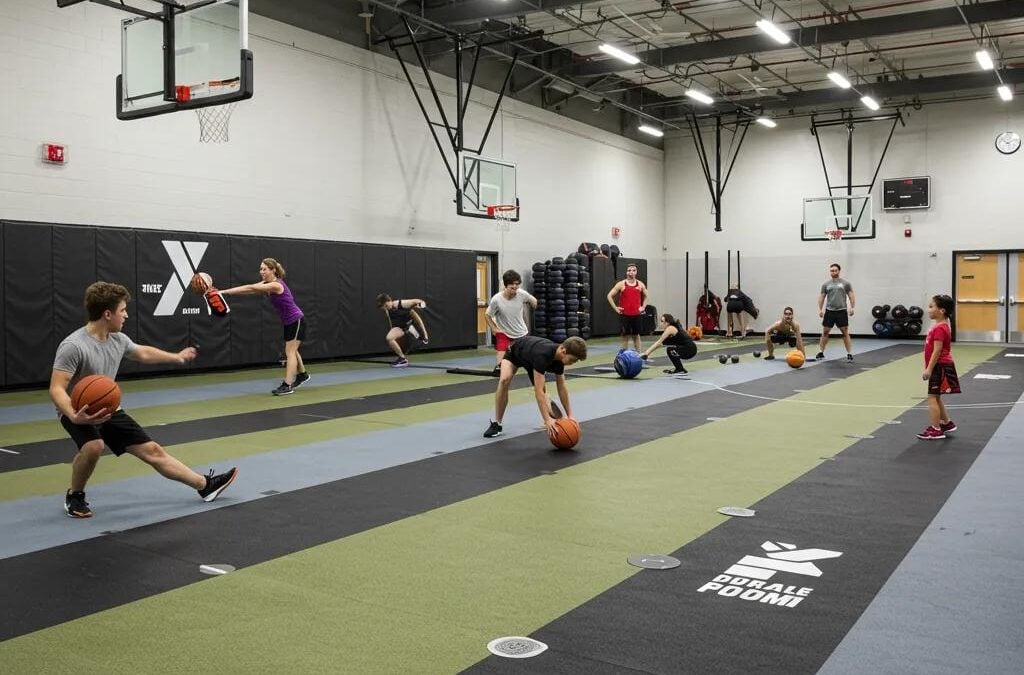
YMCA facilities cater to a wide range of ages and activities, from energetic basketball games to community gatherings. This means their flooring must withstand continuous mechanical stress while providing a safe and adaptable environment for everyone.

How Does Heavy Foot Traffic Affect YMCA Flooring Durability?

Constant foot traffic puts repeated pressure and abrasion on flooring materials, accelerating wear and surface degradation. Durable surfaces are engineered to resist deformation and maintain their integrity, significantly reducing the need for frequent replacements and minimizing operational disruptions. High-performance sports floors utilize dense materials that distribute weight evenly, preventing unsightly indentations and helping YMCA managers avoid costly downtime.

Why Is Safety Paramount for YMCA Gym Floors?

Safety is the cornerstone of YMCA flooring design, as impact absorption and slip resistance are crucial for minimizing injury risks. Shock-absorbent surfaces cushion joints during physical activity, while smooth, textured finishes provide reliable traction, creating a secure environment for children, adults, and seniors alike. Integrating these safety features supports inclusive programming, protects your members, and enhances your facility’s reputation.

How Do Multi-Purpose Activities Influence Flooring Selection?

Multi-purpose activities, spanning from fitness classes and weight training to social events, require a versatile surface that offers both elasticity and robust load-bearing capacity. Adaptable flooring types allow for seamless transitions between sports, group workouts, and community functions without compromising performance or aesthetics. Selecting a flexible system ensures that the same floor can accommodate high-impact aerobics one day and heavy lifting the next, maximizing facility utilization.

What Budgetary Factors Shape YMCA Flooring Decisions?

Budget constraints play a significant role in initial material choices, installation complexity, and ongoing maintenance expenses. While high-performance synthetic floors might have a higher upfront cost, they often result in lower lifecycle expenses due to reduced repair needs and less frequent replacements. A thorough budget analysis should consider installation labor, expected lifespan, and upkeep requirements to identify a solution that aligns with YMCA financial objectives while delivering maximum value.

Which Robust Flooring Types Are Ideal for YMCA Gyms and Community Centres?

YMCA flooring solutions range from heavy-duty rubber to classic hardwood, each offering distinct performance, safety, and maintenance benefits tailored to specific areas within the facility.

What Are the Advantages of Rubber Flooring for YMCA Weight Rooms?

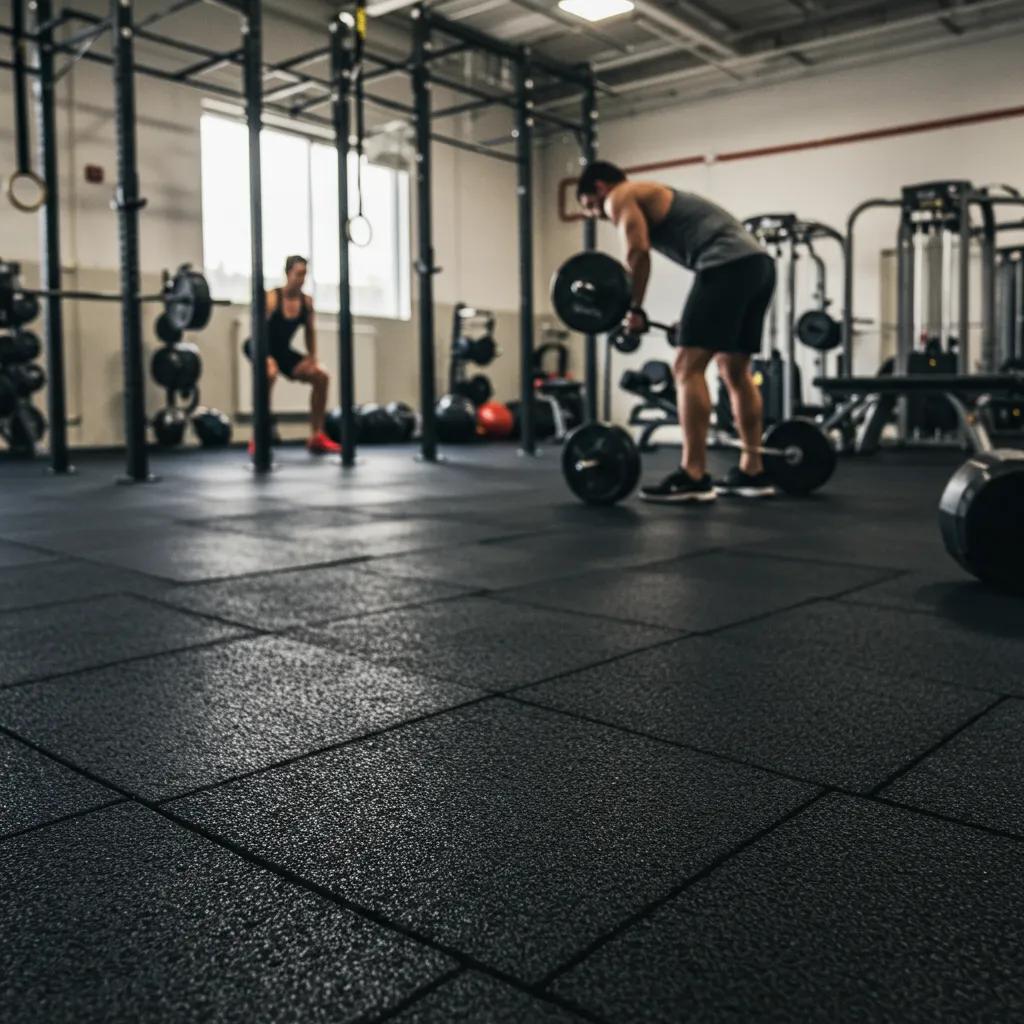
Rubber flooring excels in shock absorption, effectively dispersing impact energy through its dense composition, which protects the subfloor and dampens noise. Its high tensile strength resists damage from dropped free weights and provides excellent non-slip traction, making it the premier choice for weightlifting zones and areas with heavy equipment. Available in tiles or rolls, rubber surfaces also simplify localized repairs, ensuring that critical exercise spaces remain operational.

How Does Vinyl Sports Flooring Support Versatile YMCA Community Gyms?

Vinyl sports flooring offers a combination of resilience and a low-maintenance surface that resists stains and moisture, making it an excellent choice for gyms hosting a variety of sports, classes, and social events. Integrated foam layers provide moderate cushioning, while textured surfaces ensure reliable slip resistance during dynamic court activities. Vinyl’s extensive range of colors and customizable court markings can be tailored to match YMCA branding and specific layout needs, enhancing both the look and functionality of the space.

Why Opt for Hardwood Sports Flooring in Traditional YMCA Gymnasiums?

Hardwood sports floors deliver exceptional performance with natural resilience and consistent ball bounce, ideal for basketball and volleyball. Premium maple surfaces can withstand repeated refinishing cycles, allowing facilities to restore their original sheen and grip over many decades. This timeless option adds a warm aesthetic to gymnasiums while meeting the rigorous shock absorption and deformation standards required by sports governing bodies.

What Benefits Do Polyurethane Flooring Systems Offer YMCA Facilities?

Seamless polyurethane systems create a continuous, joint-free surface that prevents moisture penetration and inhibits microbial growth. Their high elasticity and structural integrity effectively absorb impact loads and minimize the risk of skid-related injuries. Available in various thicknesses and color options, polyurethane floors combine durability with design flexibility and minimal seams, simplifying cleaning routines and improving hygiene in multi-use areas.

Before comparing these materials directly, take a look at this overview:

Flooring TypeEstimated LifespanMaintenance LevelShock Absorption
Rubber (tiles/rolls)8–12 yearsLow (spot clean)High
Vinyl Sports5–10 yearsVery Low (mop)Moderate
Hardwood Maple20–30+ yearsModerate (refinish)Moderate to High
Polyurethane10–15 yearsLow (neutral clean)High

This comparison highlights key differences in lifespan and care to help guide your decision, leading us naturally into performance factors like durability and safety.

How Do Durability and Safety Features Impact YMCA Sports Hall Flooring Performance?

By combining robust materials with engineered safety attributes, YMCA sports halls can ensure consistent functionality, reduce injuries, and extend their service life.

What Is the Expected Lifespan of Various YMCA Gym Floor Types?

Under high-traffic conditions, rubber floors typically last between 8–12 years. Vinyl sports surfaces remain functional for 5–10 years, and polyurethane systems can last 10–15 years. Hardwood gym floors, when properly refinished every 3–5 years, can maintain peak performance for over 20–30 years. These predictable lifespans allow facility managers to effectively plan capital budgets and scheduling to minimize disruptions.

How Does Shock Absorption Minimize Injury Risks in YMCA Flooring?

Shock absorption functions by converting the kinetic energy from jumps and sprints into controlled deformation and recovery, thereby reducing the peak forces transmitted to the ankles and knees. Enhanced cushioning supports joint health and minimizes microtrauma, which is particularly vital for youth sports and rehabilitation programs. By mitigating impact stress, resilient floors contribute to long-term user safety and bolster the facility’s positive reputation.

Why Is Slip Resistance Crucial for YMCA Flooring Safety?

Slip resistance is achieved through surface texture and specific friction coefficients designed to prevent falls during dynamic movements. Floors featuring micro-embossed patterns maintain a secure grip, even when exposed to moisture or perspiration. Prioritizing non-slip finishes not only reduces liability concerns but also promotes inclusive participation by instilling confidence across a wide range of activities.

How Should YMCA Facilities Maintain Durable Sports Flooring for Maximum Longevity?

Consistent cleaning and periodic professional care are essential for preserving floor performance, appearance, and safety, ultimately extending service life and optimizing the total cost of ownership.

What Are the Daily and Weekly Cleaning Best Practices for YMCA Gym Floors?

A daily dust-mopping routine effectively removes abrasive debris, preventing micro-scratches. Weekly damp mopping with neutral pH cleaners eliminates oils and stains without harming surface coatings. Consistent upkeep is key to maintaining slip resistance and preventing dirt accumulation that can degrade flooring layers over time.

How Often Should Professional Maintenance and Refinishing Be Scheduled?

The frequency of professional maintenance varies by material. Synthetic floors benefit from recoating every 2–3 years, while hardwood gym floors require sanding and refinishing every 3–5 years, depending on wear patterns. Scheduling these services during off-peak periods minimizes facility closures and helps maintain flooring warranties.

What Specific Maintenance Does Rubber Flooring Require in YMCA Settings?

Rubber surfaces primarily require spot-cleaning with mild detergents and occasional deep scrubbing using rotary buffers with soft brushes. Adhering to manufacturer guidelines for cleaning agents is crucial to prevent discoloration and preserve the material’s elasticity. This low-effort care keeps weight rooms and cardio areas functional with minimal downtime.

How Is Vinyl Sports Flooring Maintained for Community Centres?

Vinyl sports floors respond well to daily dry dust-mopping and weekly wet mopping with a neutral cleanser. Avoiding abrasive brushes prevents surface scratching, while promptly addressing any loose tiles or boards ensures a consistently even and safe surface. Quick drying and straightforward maintenance routines are ideal for supporting busy, multi-use schedules.

What Are the Refinishing and Repair Processes for Hardwood Gym Floors?

Hardwood refinishing involves light sanding to remove surface wear, followed by the reapplication of polyurethane sealers to restore gloss and friction characteristics. More significant repairs may necessitate localized board replacement. A smooth, well-maintained finish protects the wood, ensures consistent ball rebound, and extends the floor’s usable lifespan.

What Are the Most Cost-Effective Durable Flooring Options for YMCA and Community Gyms?

By carefully balancing installation costs, maintenance expenses, and expected lifespan, you can identify the surfaces that offer the greatest long-term value for YMCA budgets.

How Do Installation and Maintenance Costs Compare Across Flooring Types?

Installation costs can range from moderate for rubber rolls and vinyl sports sheets to higher for custom hardwood and poured polyurethane systems. Ongoing maintenance expenses are typically lowest for vinyl and rubber, while hardwood refinishing represents the highest recurring cost. Evaluating the total cost of ownership over a 10-year period is essential for identifying the most economical solution for each specific area of the facility.

What Flooring Offers the Best Long-Term Value for YMCA Facilities?

Rubber flooring often provides the best value in weight rooms due to its exceptional durability and minimal upkeep requirements. Vinyl sports surfaces offer outstanding cost efficiency in multi-purpose halls. For traditional gymnasiums, hardwood’s extended lifespan and refinishing potential justify the initial investment through decades of reliable performance.

How Can Customized Flooring Solutions Balance Budget and Aesthetic Needs?

Custom color patterns, integrated logos, and zoned surfacing allow community centers to showcase their branding or clearly define activity areas without incurring premium material costs across the entire floor. Tailored combinations, such as hardwood court sections adjacent to vinyl walkways, optimize spending while creating a cohesive and professional facility image.

Which Eco-Friendly Flooring Options Are Available for Sustainable YMCA Facilities?

Sustainable materials reduce environmental impact while delivering the performance required for YMCA demands, aligning with green building objectives and community values.

What Are the Benefits of Recycled Rubber Flooring for YMCAs?

Recycled rubber surfaces effectively divert waste from landfills while maintaining high levels of durability and shock absorption, supporting both performance and environmental responsibility. Flooring made with recycled content often qualifies for green building credits and appeals to environmentally conscious patrons.

How Do Sustainably Sourced Hardwood Floors Support Green YMCA Initiatives?

FSC-certified maple gym floors guarantee responsible forestry practices and can be refinished multiple times, maximizing the use of harvested resources. These options meet stringent sustainability standards while providing the classic performance that YMCA members expect.

What Other Eco-Friendly Materials Are Suitable for Durable Sports Flooring?

Biobased polyurethane blends, cork composites, and natural linoleum combine renewable resources with resilience and ease of maintenance. These alternatives offer varying degrees of impact cushioning and moisture resistance, expanding the range of sustainable flooring choices available for community facilities.

How Does SP Surfacing Deliver Tailored Durable Flooring Solutions for YMCA Facilities?

SP Surfacing combines technical expertise with a customized design process to deliver flooring systems optimized for the specific operational needs and aesthetic aspirations of YMCA facilities.

What Is the Consultation and Design Process for YMCA Flooring Projects?

Our process begins with a thorough site assessment to document usage patterns, identify activity zones, and evaluate subfloor conditions. Our architects and project managers then collaborate with you on material selection, color schemes, and layout plans that align with YMCA branding and functional requirements. This meticulous upfront planning minimizes unexpected issues during installation and supports informed budgeting.

How Does Professional Installation Ensure Flooring Longevity and Safety?

Certified installers adhere to strict subfloor preparation protocols, including moisture barrier installation and leveling, before precision-cutting and sealing flooring materials. Careful placement of adhesives and expansion joints prevents premature failures while ensuring seamless transitions between activity areas. High-quality installation is fundamental to warranty coverage and achieving peak performance.

What Ongoing Maintenance Support Does SP Surfacing Provide?

Our comprehensive service programs include scheduled inspections, surface recoating, and emergency repair services designed to extend floor lifespans and preserve critical safety features. Our dedicated maintenance teams utilize manufacturer-approved products and methods, ensuring that YMCA facilities operate at their full capacity with minimal disruption.

What Are the Most Frequently Asked Questions About Durable YMCA Flooring Options?

Common inquiries focus on selecting the most durable surface, establishing routine care schedules, and determining suitability for various activities. The answers provided below offer focused clarification on these key topics.

What Is the Most Durable Flooring for a YMCA Gym?

Rubber flooring specifically designed for commercial weight room use offers the highest resistance to impact, indentation, and heavy equipment loads, making it the most durable choice for high-stress areas.

How Often Should YMCA Gym Floors Be Maintained?

Daily dust-mopping and weekly damp mopping are essential for maintaining surface safety. Professional recoating or refinishing schedules depend on the material: synthetic systems typically require attention every 2–3 years, while hardwood floors need refinishing every 3–5 years.

Which Flooring Types Best Support Multi-Purpose YMCA Activities?

Vinyl sports flooring and polyurethane systems provide a balanced combination of cushioning and ease of maintenance, making them ideal for spaces that host a variety of sports, classes, and community events without specialized equipment needs.

How Long Do Rubber and Vinyl Gym Floors Typically Last?

Under heavy usage, rubber floors generally last between 8–12 years, while high-grade vinyl sports surfaces maintain their performance for 5–10 years before requiring replacement or recoating.

Are Eco-Friendly Flooring Options Available for YMCAs?

Yes, options such as recycled rubber, FSC-certified hardwood, and biobased polyurethane blends all offer sustainable performance tailored to meet YMCA environmental goals.

How Can You Request a Consultation for Durable YMCA Flooring Solutions?

Initiating your YMCA flooring project is a straightforward process that begins with gathering essential facility details and scheduling an initial consultation with SP Surfacing.

What Information Is Needed to Start Your YMCA Flooring Project?

Please have your facility dimensions, descriptions of activity zones, and information about existing subfloor conditions ready. This will help our team recommend the most suitable materials and installation timelines. Providing details on expected traffic levels and budget parameters will ensure a highly targeted proposal.

How to Contact SP Surfacing for Expert Flooring Advice?

Reach out to us through our contact form or by phone to schedule a no-obligation site assessment. Our experts will guide you through material options, design mock-ups, and phased scheduling to ensure a seamless installation that perfectly meets your YMCA’s operational and financial objectives.

Experience durable, safe, and sustainable YMCA flooring solutions engineered to perform under constant use, protect your members, and reflect your brand’s commitment to quality. Partnering with SP Surfacing guarantees expert guidance from the initial consultation through ongoing maintenance, maximizing your floor’s lifespan and your facility’s overall value.