
Choosing the Right Commercial Flooring: Durable, Sustainable, and Sector-Specific Solutions for Your Business
What flooring can handle constant foot traffic, cut down on noise, and contribute to a healthier indoor environment? Selecting the best commercial flooring means balancing durability, sustainability, and sector-specific performance to meet the unique demands of your business. This guide dives into the top choices for offices, educational settings, and athletic facilities, covering compliance with safety and environmental standards, key decision-making factors, and expert installation strategies. You’ll discover the benefits of carpet tiles, luxury vinyl tile (LVT), rubber flooring, resin options, and eco-friendly materials, alongside essential regulatory information. Whether you're managing an office, a school, or a gym, this article provides practical insights and demonstrates how SPSurfacing’s expert advice ensures optimal results with minimal disruption.
Top Flooring Choices for Commercial Offices
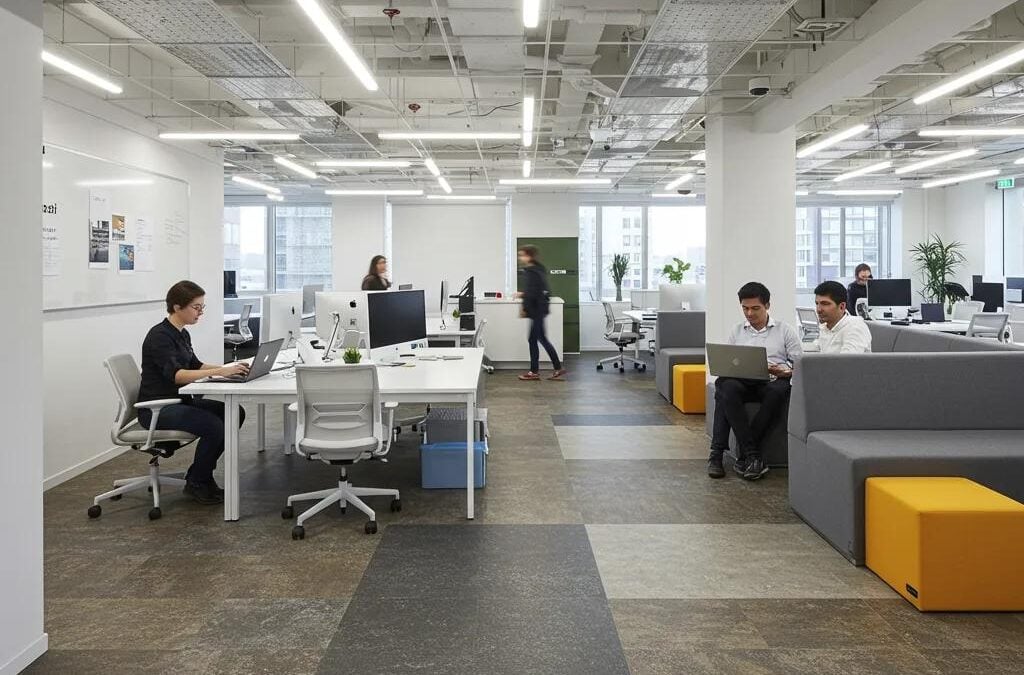
Office flooring needs to strike a perfect chord between looking good, providing acoustic comfort, and standing up to heavy footfall. The right surface can boost productivity by reducing noise and creating a more welcoming atmosphere.
Why Opt for Carpet Tiles in Your Office?
Carpet tiles offer a smart combination of modular design, excellent sound absorption, and straightforward maintenance, making them a cost-effective choice for office spaces. Their dense construction effectively muffles ambient sound, and individual tiles can be replaced as needed, minimising downtime and material waste.
- Flexible modular design allows for easy pattern updates and phased installations.
- High acoustic ratings (24–29 dB) help maintain concentration in open-plan layouts.
- Yarns made from recycled content enhance environmental credentials without compromising on toughness.
In a nutshell: Carpet tiles provide superior acoustic comfort and design flexibility, adapting to evolving office layouts and sustainability goals, while also complementing hard-surface options.
How Luxury Vinyl Tile (LVT) Elevates Office Durability and Style
Luxury vinyl tile boasts a multi-layer construction that resists scratches and moisture, all while mimicking the look of natural materials. A robust core provides stability under heavy furniture, and a protective wear layer keeps high-traffic corridors looking pristine.
As offices continue to modernise, LVT’s blend of low maintenance and authentic aesthetics perfectly bridges the gap between performance and design, setting the stage for future workspace trends.
Current Office Flooring Trends to Boost Productivity
Today’s office flooring trends focus on biophilic design, adaptable layouts, and materials that promote well-being. Incorporating natural textures, like wood-effect LVT and subtle cork accents, enhances visual comfort and a connection to nature.
- Biophilic Designs – Organic shapes and natural colour palettes improve occupant satisfaction.
- Zoned Flooring – Distinct surfaces clearly define collaborative zones and quiet workspaces.
- Integrated Underlays – Acoustic underlays can reduce sound reverberation by up to 50%.
These trends align with the increasing importance placed on employee well-being and productivity through environmental quality, naturally leading us to consider the impact of noise control in any professional setting.
Enhancing Workplace Comfort with Acoustic Flooring
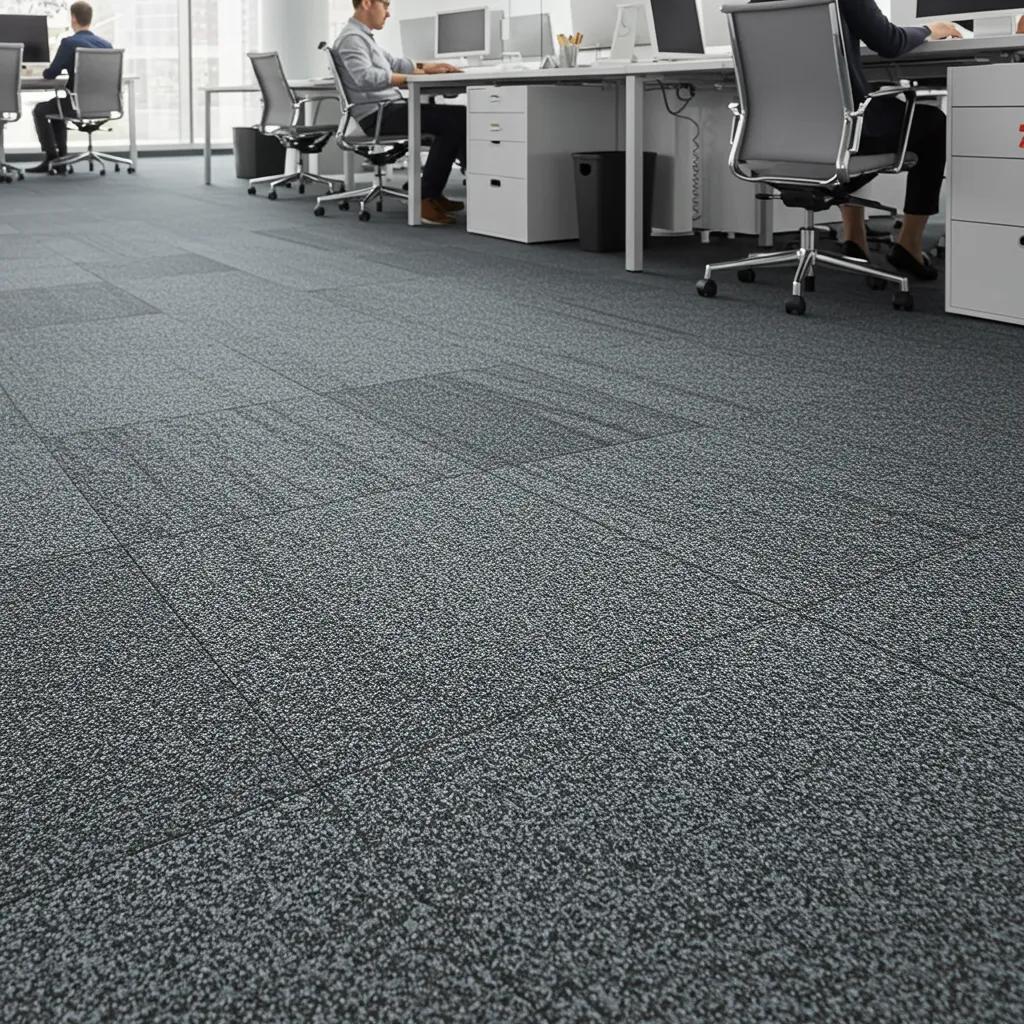
Acoustic flooring significantly reduces noise reflections and impact sounds, creating a more tranquil environment. Specialised underlays and cushioned vinyl layers effectively convert airborne and impact noise into barely perceptible levels, fostering better concentration.
By managing sound effectively from the ground up, acoustic flooring contributes to overall office productivity and informs the selection of resilient safety surfaces throughout a building.
Acoustic Performance and Productivity in Workplaces
Research indicates that excessive noise in workplaces can significantly hinder productivity, leading to a 66% drop in output and a 50% increase in errors. Studies also show that noise negatively impacts 69% of employees' concentration, productivity, and creativity, highlighting the critical role of sound-absorbing flooring in creating a more focused environment.
This research directly supports the article's claims about the importance of acoustic flooring in reducing noise pollution and improving employee focus and well-being in office environments.
Ideal Flooring Solutions for UK Schools and Universities
Educational institutions require flooring that is slip-resistant, hygienic, and exceptionally durable to withstand heavy use and frequent cleaning, all while prioritising student safety and acoustic comfort.
Safety and Durability for School Classrooms
Classroom flooring must offer reliable slip resistance and withstand scuffs, while maintaining excellent traction for active students. Safety vinyl, featuring an R10 slip rating and a reinforced PVC wear layer, provides consistent grip and a long service life.
- Reinforced vinyl stands up to constant chair caster and desk movement.
- Slip resistance compliant with BS 7976:R10 minimises accident risks.
- Low-gloss finishes reduce distracting glare from LED lighting.
By choosing safe, robust materials for classrooms, educational facilities can ensure longevity and prepare for comprehensive hygiene measures in adjoining areas.
Choosing Hygienic Flooring for School Washrooms and Corridors
Hygienic flooring incorporates antimicrobial properties and seamless installation techniques to prevent bacterial growth and simplify cleaning routines. Polyurethane screed surfaces create impermeable seals, resisting chemicals and reducing the spread of infections in washrooms.
Maintaining these high hygiene standards is crucial for fostering healthy campus environments and naturally leads to considering acoustic needs in lecture theatres.
Best Acoustic Flooring for Lecture Theatres
Lecture theatres demand flooring that effectively absorbs audience and footfall noise to ensure clear speech intelligibility. Heavy-duty carpet tiles with acoustic backing and cushioned vinyl stage areas can reduce reverberation times by up to 50%.
- A Noise Reduction Coefficient (NRC) of 0.35–0.45 supports clear vocal projection.
- Fire-retardant backings meet BS 5982 standards.
- Staggered tile layouts help diffuse sound more effectively.
Achieving excellent acoustic control in theatres sets the stage for ensuring lasting durability in corridors and common areas that experience constant foot traffic.
Benefits of Durable Commercial Flooring for University Corridors
University corridors endure continuous student movement, requiring flooring that offers exceptional wear resistance and is easy to repair. Luxury vinyl plank with a 0.7 mm wear layer and reinforced backing can withstand trolley traffic and routine cleaning schedules.
- Scuff-resistant surfaces minimise visible wear and tear.
- Low-profile joints help prevent trip hazards.
- Replaceable modular planks can reduce maintenance time by up to 60%.
Maximising corridor performance highlights the value of sector-specific expertise and naturally leads into the flooring requirements for sports halls.
Top Commercial Gym Flooring Options for Athletic Facilities
Athletic flooring must provide superior shock absorption, withstand impact, and support a wide range of sporting activities to ensure optimal performance and safety.
Why Rubber Flooring Excels in Gyms for Impact Absorption
Rubber flooring’s high resilience and various thickness options effectively cushion falls and heavy weights, protecting both equipment and athletes from injury. Its closed-cell formulation compresses under load and recovers instantly, safeguarding subfloors and extending the surface’s lifespan.
- 8–12 mm thick rolls can absorb up to 50% of drop-weight energy.
- Textured surfaces enhance grip for dynamic movements.
- Options made from recycled rubber contribute to environmental goals.
The protective qualities of rubber flooring underscore the need for slip-resistant finishes across all fitness zones.
Ensuring Slip Resistance with Safety Flooring in Fitness Centres
Safety flooring features textured vinyl surfaces with HSE-approved slip ratings (R10–R12) to maintain reliable traction, even when wet from sweat, water, or cleaning agents. Specialised safety vinyl significantly reduces the risk of accidents in wet areas like pool surrounds and changing rooms.
Ensuring consistent slip resistance throughout a facility complements the seamless hygiene benefits offered by resin surfaces.
Advantages of Resin Flooring for Sports Halls
Resin flooring provides a seamless, chemical-resistant surface that meets Sport England’s EN 14904 performance standards for multi-sport halls. Its polyurethane binder system creates a continuous layer with high mechanical strength and is exceptionally easy to clean, supporting diverse athletic programmes.
- Seamless installation eliminates trip hazards from joints.
- Surface hardness of 80–85 Shore D withstands intense sports wear.
- Colour-coded line markings remain vibrant even with UV exposure.
Leveraging the hygienic and durable characteristics of resin flooring leads naturally to considering sustainable flooring options for environmentally conscious clients.
Choosing Sustainable Commercial Flooring in the UK
Sustainable flooring prioritises renewable resources, closed-loop recycling, and low-emission manufacturing processes to minimise environmental impact throughout a product’s lifecycle.
Benefits of Carpet Tiles with Recycled Content
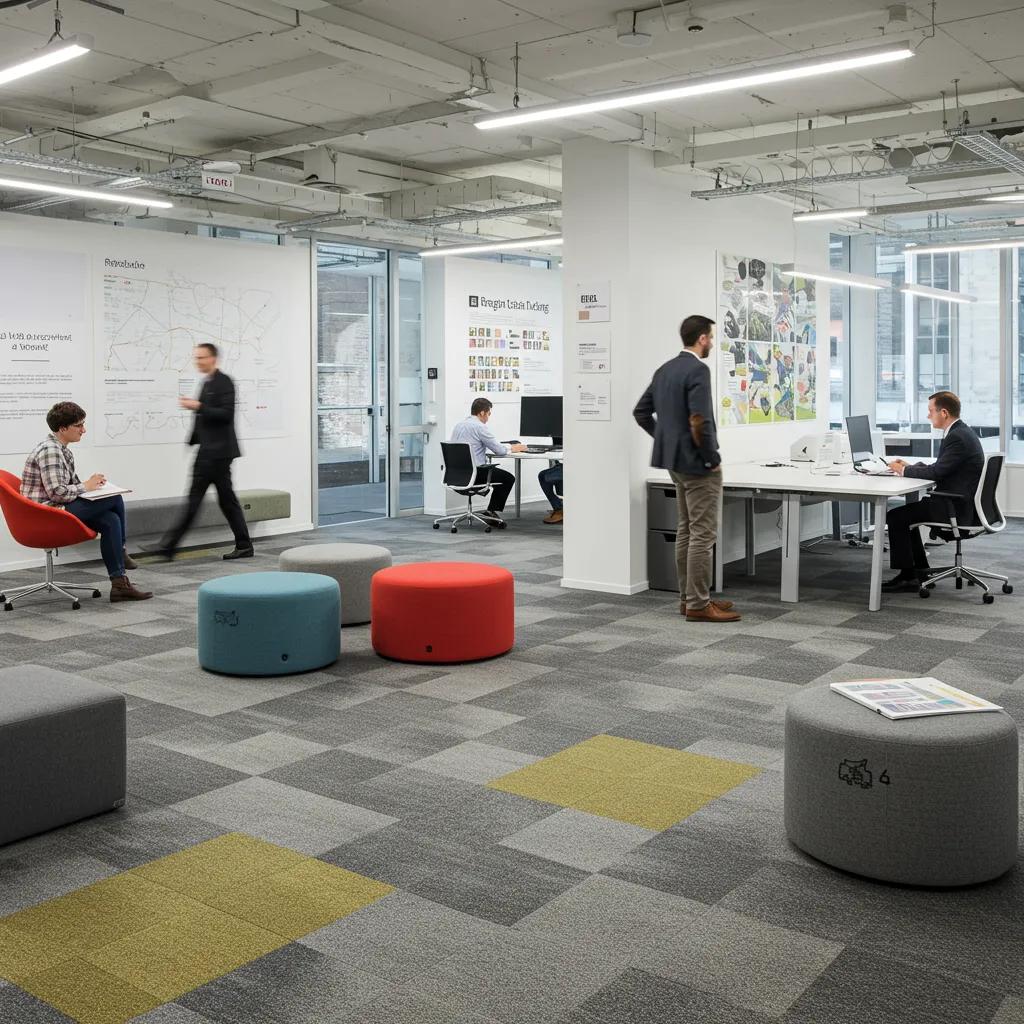
Carpet tiles made with recycled content, such as ECONYL® nylon derived from fishing nets, combine circular economy principles with design flexibility. Using post-consumer waste as a raw material can reduce carbon emissions by up to 80% compared to virgin yarns.
- Modular tile format allows for targeted replacement.
- Carbon-neutral certifications align with BREEAM targets.
- Easy-clean surfaces resist stains, reducing the need for harsh chemicals.
Recycled carpet solutions embody circular economy principles and introduce other natural flooring materials that are experiencing a resurgence in popularity.
Why Linoleum is Making a Comeback as a Natural, Durable Flooring Choice
Linoleum, composed of linseed oil, wood flour, and jute backing, is fully biodegradable at the end of its life while offering a robust surface that can last up to 25 years. Its inherent antimicrobial properties inhibit bacterial growth, making it an excellent choice for offices, corridors, and healthcare settings.
This natural flooring option naturally leads to discussions about improving indoor air quality.
Durability and Sustainable Benefits of Modern Flooring Materials
High-quality Luxury Vinyl Tile (LVT) is engineered with multi-layer construction and wear layers, allowing it to last between 15 to 25 years or more in commercial settings with proper maintenance. Additionally, natural linoleum, made from renewable resources like linseed oil and wood flour, offers exceptional durability, often lasting 30-40 years, and is biodegradable and free from harmful VOCs, contributing to healthier indoor air quality.
This citation verifies the article's points on the longevity of LVT and the environmental and durability advantages of linoleum as sustainable flooring options.
Improving Indoor Air Quality with VOC-Free and Low-Emission Flooring
VOC-free and low-emission flooring minimises the release of volatile organic compounds (VOCs), promoting healthier indoor environments. Certifications like AgBB and FloorScore confirm emission levels below 0.1 mg/m³, safeguarding occupants from respiratory irritants.
- Water-based adhesives further reduce chemical exposure.
- Zero-VOC finishes contribute to WELL Building standards.
- Enhanced indoor air quality supports employee well-being and productivity.
Cleaner emissions naturally lead to discussions about renewable materials that improve thermal insulation and overall comfort.
Renewable Flooring Options: Cork and Bamboo
Cork and bamboo are rapidly renewable resources offering unique performance characteristics and strong environmental credentials. Harvested without felling trees and regrowing within 3–7 years, these materials provide natural resilience and thermal insulation.
- Cork – 4–5 mm thick cork underlayment provides sound absorption with an NRC of 0.15–0.20.
- Bamboo – Strand-woven bamboo planks resist dents and offer a Janka hardness rating of up to 3000 lbf.
- End-of-life recyclability – Both materials can be composted or recycled.
Choosing cork and bamboo flooring supports sustainability objectives and enhances occupant comfort, naturally leading into considerations for regulatory compliance.
Key Safety and Compliance Requirements for Commercial Flooring
Adhering to HSE regulations and fire safety standards ensures that flooring choices effectively protect people and property in all workplace settings.
How HSE Regulations Shape Flooring Choices in Workplaces
The HSE mandates that floors must be suitable for their intended use, maintained in good condition, and provide adequate slip resistance under foreseeable conditions. Regular slip testing (BS 7976) and condition assessments are essential for compliance and risk reduction.
- Flooring must be appropriate for expected footfall and potential spillages.
- Periodic inspections verify the integrity of the flooring surface.
- Trip hazards and worn areas must be addressed promptly.
Maintaining these standards is closely linked to understanding specific slip resistance ratings and their appropriate applications.
Understanding Slip Resistance Ratings (R10, R11, R12) and Their Uses
Slip resistance ratings classify surfaces based on the angle of incline at which a person can safely stand on a wet floor. Selecting the correct rating for each area is crucial for minimising risk and meeting HSE guidelines without compromising usability.
Applying the correct slip resistance rating informs decisions regarding hygiene and material selection for sensitive areas.
How Safety Flooring Supports Hygiene in Healthcare and Food Service
Safety flooring in healthcare and catering environments combines slip resistance with seamless construction and antimicrobial treatments. Homogeneous vinyl or resin floors can withstand rigorous cleaning protocols and meet HACCP and BRC food safety standards.
- Integrated coving eliminates hard-to-clean crevices.
- UV-stable surfaces resist discolouration from disinfectants.
- Bacteriostatic additives inhibit microbial growth.
High-performance hygiene capabilities are complemented by the fire safety measures that are critical across all sectors.
Applicable Fire Safety Standards for Commercial Flooring
Commercial flooring must comply with European reaction-to-fire classifications (EN 13501-1) and BS 476 standards to limit flame spread and smoke generation. Products achieving Class Bfl-s1 or higher ensure safer evacuation routes and reduced fire development.
- Class Bfl-s1 – Limited flame spread; low smoke emission.
- Class Cfl-s1 – Moderate flame spread; minimal smoke emission.
- Class Dfl-s2 – Suitable for lower-risk settings where less stringent performance is acceptable.
Workplace Flooring Safety and Fire Classification Standards
UK Health and Safety Executive (HSE) regulations mandate that workplace floors must be suitable, in good condition, and slip-resistant, with compliance often assessed using the BS 7976 pendulum test, where a Pendulum Test Value (PTV) of 36+ indicates low slip potential. Furthermore, commercial flooring must adhere to European reaction-to-fire classifications under EN 13501-1, which categorizes materials (e.g., Bfl, Cfl, Dfl for flame retardancy) and assesses smoke development (s1 for low smoke).
This citation confirms the article's information regarding critical safety standards for commercial flooring, including slip resistance requirements from the HSE and fire safety classifications under European standards.
Key Factors for Selecting Workplace Flooring
A structured approach involves evaluating performance, cost, and environmental impact to identify the most suitable flooring solution for any business sector.
The Importance of Durability and Longevity in Commercial Flooring
Durability is determined by wear layer thickness, material composition, and installation quality. High-performance surfaces with reinforced urethane coatings can often last over 10 years under heavy use, significantly reducing lifecycle costs.
- A wear layer of 0.5 mm or greater can extend service life by 25%.
- Composite cores resist dimensional changes under load.
- Warranty periods reflect the tested longevity of the material.
Anticipating traffic patterns and considering maintenance capabilities ensures that flooring remains fit for purpose throughout its intended lifespan.
Why Maintenance and Hygiene Are Crucial for Workplace Flooring
Regular cleaning protocols and stain-resistant surfaces are essential for maintaining appearance and preventing the build-up of pathogens. Easy-to-clean finishes with antimicrobial additives reduce the need for harsh chemicals and save on labour costs.
- Daily sweeping removes abrasive grit that accelerates wear.
- Periodic deep cleaning restores performance and hygiene.
- Surface treatments minimise the risk of permanent staining.
Effective maintenance planning naturally leads into considerations of cost and return on investment.
How Flooring Impacts Cost and Return on Investment (ROI)
The initial purchase price typically accounts for only 10–15% of the total lifecycle cost; maintenance, energy efficiency, and eventual replacement make up the remainder. High-durability materials can offer payback periods of less than five years through reduced downtime and cleaning expenses.
Balancing these cost factors helps inform the final selection of acoustic and comfort features that contribute to occupant satisfaction.
The Role of Acoustics and Comfort in Flooring Selection
Sound absorption and underfoot resilience significantly influence occupant well-being and productivity. Materials with higher acoustic ratings and ergonomic underlays can reduce fatigue and improve concentration.
- Acoustic underlays can reduce noise transmission by up to 50%.
- Cushioned surfaces decrease joint stress during tasks requiring prolonged standing.
- Thermal insulation properties enhance comfort and energy efficiency.
Prioritising human-centred design brings the selection process full circle, preparing for expert installation practices.
SPSurfacing: Expert Flooring Consultation, Installation, and Project Management
SPSurfacing combines deep sector-specific knowledge with a collaborative approach to ensure seamless project execution, from initial specification right through to final handover.
SPSurfacing’s Installation Process: Minimising Disruption
SPSurfacing utilises out-of-hours fitting and phased project plans to ensure normal business operations continue uninterrupted. A dedicated project manager oversees site surveys, material deliveries, and quality checks, guaranteeing timely completion with minimal operational impact.
- Pre-installation surveys meticulously assess existing substrate conditions.
- Night-shift installations avoid disrupting daytime business hours.
- Post-installation inspections verify safety and finish standards.
This rigorous process underpins the delivery of tailored solutions for every type of workplace environment.
Tailoring Flooring Solutions for Diverse Workplace Environments
Leveraging decades of cross-sector experience, SPSurfacing expertly matches material selection to the specific challenges faced in offices, schools, and gyms. Every recommendation considers traffic levels, slip risks, acoustic needs, and sustainability objectives.
- Educational Facilities – Slip-resistant and hygienic vinyl or resin flooring.
- Commercial Offices – Acoustic carpet tiles and LVT for enhanced quiet productivity.
- Athletic Facilities – Shock-absorbing rubber and EN 14904-compliant resin flooring.
Our sector-focused expertise ensures both compliance and optimal performance across a wide range of applications.
Why Partner with SPSurfacing for Sustainable, High-Quality Commercial Flooring?
As your trusted flooring partner, SPSurfacing provides certified eco-friendly materials, supports closed-loop recycling programmes, and employs industry-accredited installers. Our commitment to BREEAM and LEED principles, coupled with stringent quality controls, delivers durable, low-emission surfaces that align with your corporate responsibility goals.
- Accredited expertise in handling recycled content and VOC-free products.
- In-house maintenance training programmes to extend floor lifetimes.
- Comprehensive warranties that guarantee long-term performance.
Choosing SPSurfacing ensures a smooth project journey from concept to completion, maximising value and demonstrating environmental stewardship.