
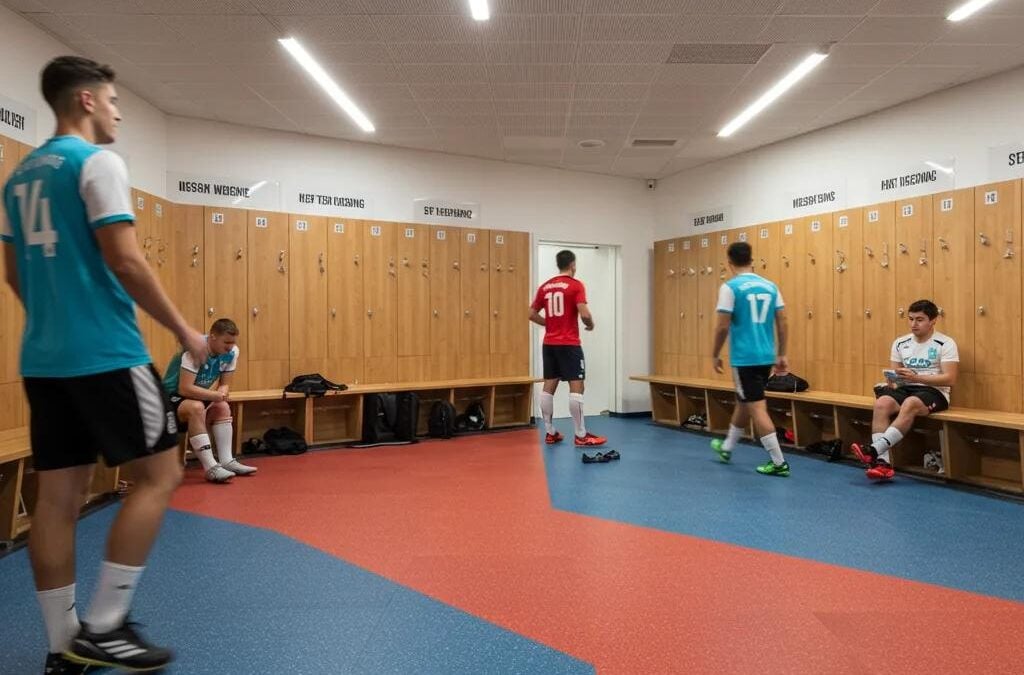
Hygienic Locker Room Flooring Options: Choosing Durable, Anti-Slip, and Easy-to-Maintain Solutions
Facilities for sports and general use demand locker room flooring that actively prevents slips, actively discourages microbial growth, and stands up to heavy foot traffic without compromising on hygiene. Facility managers often grapple with challenges like standing water, aggressive cleaning chemicals, and constant wear and tear. This guide will define what constitutes hygienic locker room flooring, explore the leading material options, explain the critical anti-slip and anti-microbial features, examine typical applications, outline best practices for installation and maintenance, compare costs and return on investment, and clarify UK health and safety regulations—all designed to help you select the ideal system for enduring performance and complete peace of mind.
What Are the Best Types of Hygienic Locker Room Flooring?
Resin, rubber, and vinyl surfaces each offer significant hygienic advantages through their non-porous construction, seamless installation capabilities, and inherent resistance to moisture and contaminants.
How Does Resin Flooring Enhance Hygiene in Locker Rooms?
Resin flooring is applied as a monolithic coating that cures into a seamless, impervious surface. This effectively prevents bacteria and mould from penetrating any joints or cracks. Its non-porous finish is robust enough to withstand aggressive cleaning agents and actively inhibits microbial colonisation, ensuring a consistently sanitary environment, especially in areas prone to moisture.
What Are the Advantages of Epoxy Flooring for Changing Rooms?
Epoxy flooring is created by combining resin and hardeners, forming a dense, chemical-resistant layer that can handle frequent wash-downs. Its smooth surface allows for easy removal of soaps and disinfectants, significantly reducing the risk of contamination. It offers a cost-effective, high-strength solution suitable for locker rooms experiencing moderate traffic.
Why Choose Polyurethane Flooring for Wet and High-Traffic Areas?
Polyurethane flooring boasts superior flexibility and tensile strength when compared to more rigid systems. Its UV-stable, abrasion-resistant coating can withstand impacts from sports equipment while maintaining seamless moisture protection. This makes it an excellent choice for showers and athletic changing rooms where both durability and hygiene are paramount.
When Is Rubber Flooring Ideal for Locker Rooms?
Rubber flooring provides exceptional slip resistance and shock absorption, thanks to its naturally textured surface and resilient composition. Its closed-cell structure effectively repels liquids and helps to dampen noise, offering a safe and comfortable underfoot experience, particularly beneficial in weightlifting areas and high-traffic locker zones.
What Are the Pros and Cons of Vinyl Flooring in Wet Locker Room Environments?
Vinyl flooring presents a versatile design option and a lower upfront cost, often featuring smooth, easily wipeable finishes. However, seams and installations that aren't fully adhered can trap water, and its lower chemical resistance may lead to degradation of joints over time. While properly sealed and welded sheet vinyl can mitigate these risks, it often doesn't achieve the same level of seamless hygiene provided by resin or polyurethane systems.
Before you evaluate installation, it's helpful to see how these options compare:
Each of these systems addresses hygiene through non-porosity and cleanable surfaces, setting the stage for a deeper dive into anti-slip and anti-microbial enhancements.
How Do Anti-Slip and Anti-Microbial Features Improve Locker Room Flooring Safety and Hygiene?
In environments where moisture is prevalent, anti-slip textures are crucial for preventing falls, while anti-microbial additives actively discourage the growth of bacteria and mould on the flooring surfaces.
What Makes Anti-Slip Flooring Essential for Wet Locker Rooms?
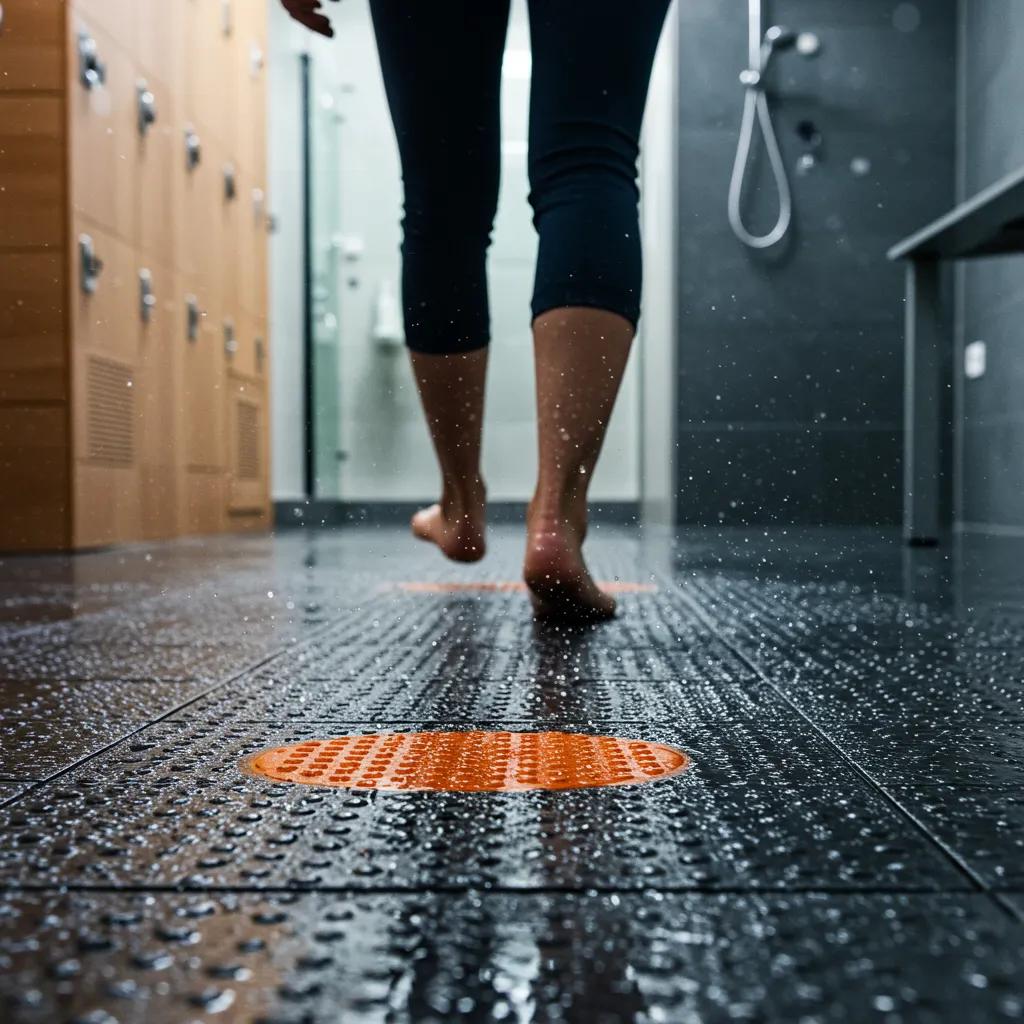
Anti-slip flooring incorporates aggregates or patterned embossing to significantly increase friction underfoot. This dramatically reduces the risk of accidents in areas where water and soap are commonly present. These surfaces are designed to meet specific slip resistance ratings, ensuring user safety and minimising liability in communal changing areas.
How Does Anti-Microbial Flooring Reduce Bacteria and Mould Growth?
Anti-microbial flooring integrates agents, such as silver-ion or quaternary ammonium compounds, directly into the resin matrix during manufacturing. This incorporation actively inhibits bacterial cell reproduction and prevents mould spores from establishing a foothold, thereby maintaining a cleaner surface between routine cleaning cycles.
Antimicrobial and Seamless Flooring for Enhanced Hygiene
Antimicrobial flooring, which integrates agents to inhibit microbial growth, is crucial in wet environments like locker rooms to prevent the spread of bacteria and mold. Seamless and non-porous surfaces further enhance hygiene by eliminating crevices where dirt and pathogens can accumulate, thereby simplifying cleaning and improving overall sanitation.
This information reinforces the article's explanation of how anti-microbial features and seamless, non-porous construction contribute significantly to maintaining hygiene and reducing pathogen growth in locker room flooring.
Why Is Seamless Flooring Important for Maintaining Cleanliness?
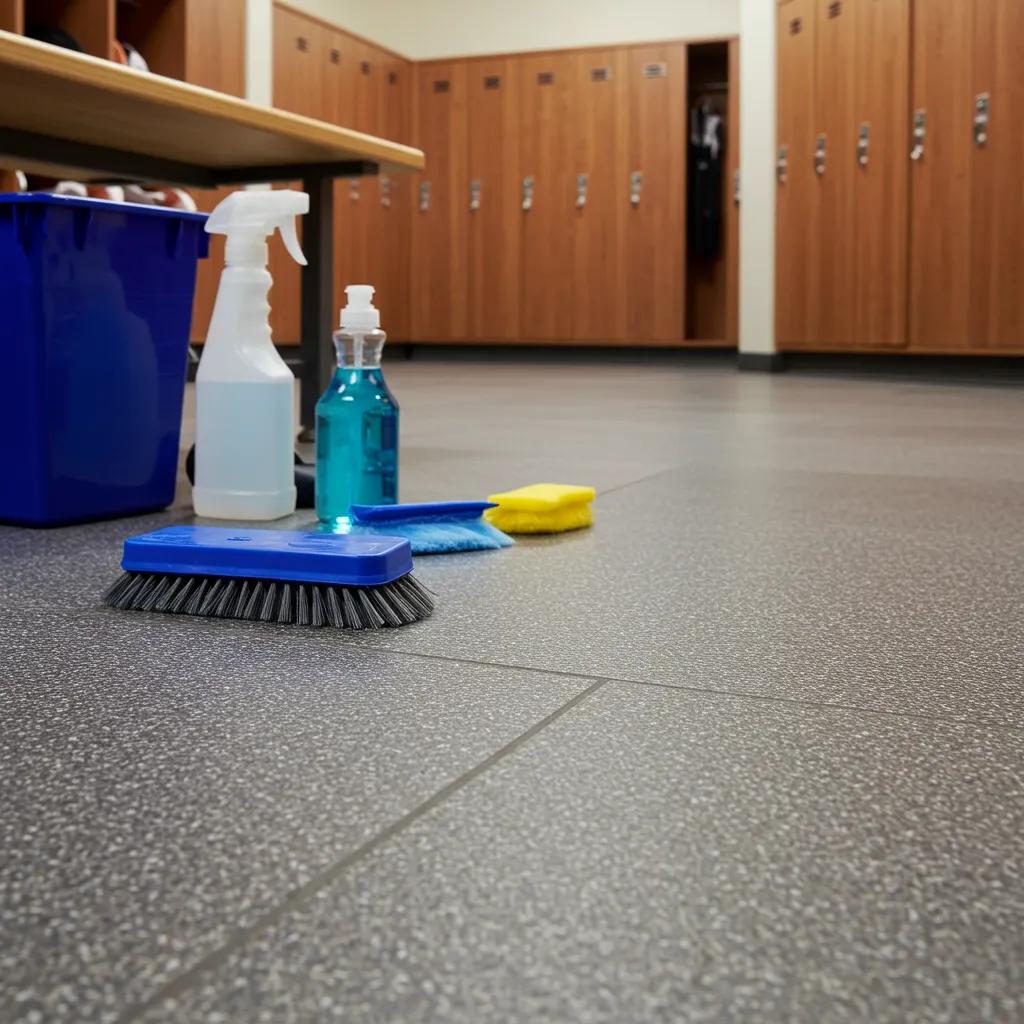
Seamless installations eliminate grout lines and joints, which are common areas where dirt, moisture, and microbes can accumulate. A continuous surface profile allows for complete coverage during cleaning processes, significantly reducing residual contaminants and achieving hygiene levels that are simply not possible with materials that have joints.
How Do Moisture and Chemical Resistance Contribute to Flooring Longevity?
Materials that offer high resistance to moisture and chemicals actively repel standing water and can withstand rigorous disinfectants without showing signs of degradation. This inherent durability protects the integrity of the substrate, reduces the need for frequent repairs, and lowers overall life-cycle costs, ensuring that the flooring's hygienic properties remain effective throughout years of demanding use.
Where Are Hygienic Locker Room Flooring Solutions Commonly Used?
These flooring solutions are widely applied across the sports, education, and commercial sectors, each presenting unique requirements for safety, cleanliness, and design flexibility.
What Are the Flooring Requirements for Sports Facilities and Gyms?
Sports centres require flooring that is not only impact-tolerant but also slip-resistant, capable of withstanding heavy weight drops and constant foot traffic. Hygienic systems must effectively resist sweat, chlorine, and cleaning agents, while also facilitating rapid water drainage and easy maintenance between events and training sessions.
How Do Schools and Universities Benefit from Hygienic Changing Room Flooring?
Educational institutions place a high priority on low maintenance and robust infection control measures. Flooring systems equipped with anti-microbial properties help to reduce the transmission of illnesses, while seamless resin options simplify custodial routines, thereby maximising the time available for learning and activities in classrooms and locker rooms.
What Are the Key Considerations for Commercial Changing Room Floor Solutions?
Commercial facilities such as hotels, leisure centres, and corporate wellness spaces need surfaces that complement their interior aesthetics without compromising on hygiene standards. Customisable resin colours and patterns allow for consistent branding, while superior anti-slip performance and seamless hygiene safeguards ensure occupant comfort and regulatory compliance.
How Should Hygienic Locker Room Flooring Be Installed and Maintained for Optimal Performance?
Professional installation and consistent, diligent care are essential for preserving the system's integrity, hygiene, and user safety throughout the floor's entire service life.
What Are the Best Practices for Installing Seamless Hygienic Flooring?
Expert installers begin by thoroughly assessing and rectifying any subfloor irregularities before applying a primer. A multi-coat application of resin or polyurethane layers, often with slip-enhancing aggregates broadcast between coats, ensures a fully bonded, uniform finish that effectively eliminates any potential ingress points for moisture and contaminants.
How Does Proper Subfloor Preparation Affect Flooring Durability?
Even minor substrate cracks or issues with moisture vapor drive can lead to coating blisters and delamination. Thorough profiling, meticulous moisture testing, and the strategic use of vapor-barrier primers are crucial for stabilising the foundation, which in turn leads to long-term adhesion and robust resistance to both mechanical and chemical stresses.
What Are Effective Cleaning and Maintenance Routines for Hygienic Floors?
Daily rinsing with neutral pH detergents, supplemented by high-pressure wash-downs when necessary, effectively removes soils without causing any degradation to the surface chemistry. Periodic reapplication of slip-control additives and regular inspections for signs of wear are vital to ensure the floor consistently retains its anti-microbial and anti-slip attributes.
How Can Maintenance Reduce Long-Term Costs and Extend Flooring Life?
Routine inspections allow for the early detection of wear patterns, enabling minor repairs to be carried out before they escalate into major issues, thus avoiding the need for full replacements. Proactive preventive care programmes minimise unplanned downtime and reduce capital expenditure, delivering measurable returns that can offset the initial investment within just a few years of installation.
What Are the Cost Considerations and ROI of Durable Hygienic Locker Room Flooring?
Balancing the initial investment against long-term maintenance savings and the crucial safety benefits reveals the true value proposition of premium flooring solutions.
How Does Resin Flooring Compare in Cost Versus Other Materials?
While resin systems typically involve higher installation expenses, their seamless nature and superior chemical resilience translate directly into lower cleaning labour costs, fewer repair requirements, and a significantly extended service life. When viewed over a 10-year period, the total cost of ownership for seamless resin flooring often proves to be up to 20% less than that of vinyl or modular tile alternatives.
What Is the Long-Term Return on Investment for Durable Changing Room Floors?
Durable flooring systems actively reduce the costs associated with slip-related incidents and minimise operational downtime. Furthermore, simplified cleaning regimens lead to substantial savings in custodial expenses. The combined savings from reduced maintenance and lower liability can effectively recover the initial outlay within three to five years in environments with high levels of foot traffic.
Long-Term Value and ROI of Durable Athletic Flooring
Investing in high-quality, durable athletic flooring, despite a potentially higher initial cost, yields significant long-term returns. Such flooring reduces the frequency of major repairs and replacements, minimizes the risk of slip-related injuries and associated litigation, and lowers ongoing operational costs through simplified maintenance, leading to a reduced total cost of ownership.
This research supports the article's analysis of the cost considerations and return on investment for durable hygienic locker room flooring, highlighting the long-term financial benefits of premium systems through reduced maintenance and improved safety.
How Do Maintenance Savings Impact Overall Flooring Costs?
A reduced need for recoating, spot repairs, and costly contractor call-outs significantly slashes annual upkeep budgets. Facilities that have transitioned to polyurethane and epoxy systems report 30–50% lower maintenance expenses compared to those using traditional sheet vinyl, clearly demonstrating the compelling financial incentive to invest in hygienic, resilient flooring solutions.
What UK Health and Safety Standards Apply to Hygienic Locker Room Flooring?
Adherence to established guidelines is essential for ensuring user safety and maintaining legal compliance in environments where moisture is a factor.
How Do HSE Guidelines Influence Flooring Selection for Wet Areas?
The Health and Safety Executive (HSE) strongly recommends that floors achieve a minimum pendulum test value (PTV) to effectively prevent slips, particularly under wet conditions. Products must be rigorously tested to BS 7976 standards and meet PTV thresholds appropriate for the anticipated traffic levels and any slopes present, thereby guiding the selection of suitable materials and surface textures.
What Are the Slip Resistance Requirements for Locker Room Floors?
Flooring intended for wet areas should achieve a PTV of 36+ when tested on the ramp or a pendulum value of ≥36 under fully wet conditions. This critical threshold ensures safe footfall in communal showers, poolside decks, and changing rooms that frequently experience standing water.
Slip Resistance and Pendulum Test Values in Wet Conditions
The Health and Safety Executive (HSE) recommends a minimum Pendulum Test Value (PTV) of 36+ for low slip potential in wet conditions, with the pendulum test being a preferred method for assessing slip resistance. Research indicates that slip resistance is significantly reduced on wet surfaces, with PTV values dropping considerably, highlighting the importance of appropriate surface finishes for safety.
This research and guideline information directly supports the article's claims regarding UK health and safety requirements for slip resistance in wet locker room environments, specifically the PTV thresholds and the impact of wetness on slip potential.
How Can Flooring Solutions Meet Infection Control and Hygiene Regulations?
Non-porous, seamless resin systems are fully compliant with NHS and food-handling hygiene directives, as they effectively eliminate crevices and support rigorous sanitisation protocols. The inclusion of anti-microbial additives further inhibits pathogen colonisation, satisfying regulations that mandate both surface integrity and effective microbial control.
Hygienic locker room flooring is instrumental in optimising facility safety, streamlining maintenance operations, and safeguarding occupant health. By selecting materials that expertly balance seamless protection with essential anti-slip and anti-microbial properties, operators can achieve lower lifecycle costs and foster greater occupant confidence. Professional installation, coupled with proactive, diligent care, ensures enduring performance. Partnering with an experienced specialist guarantees tailored solutions, dependable compliance, and a lasting return on investment.