
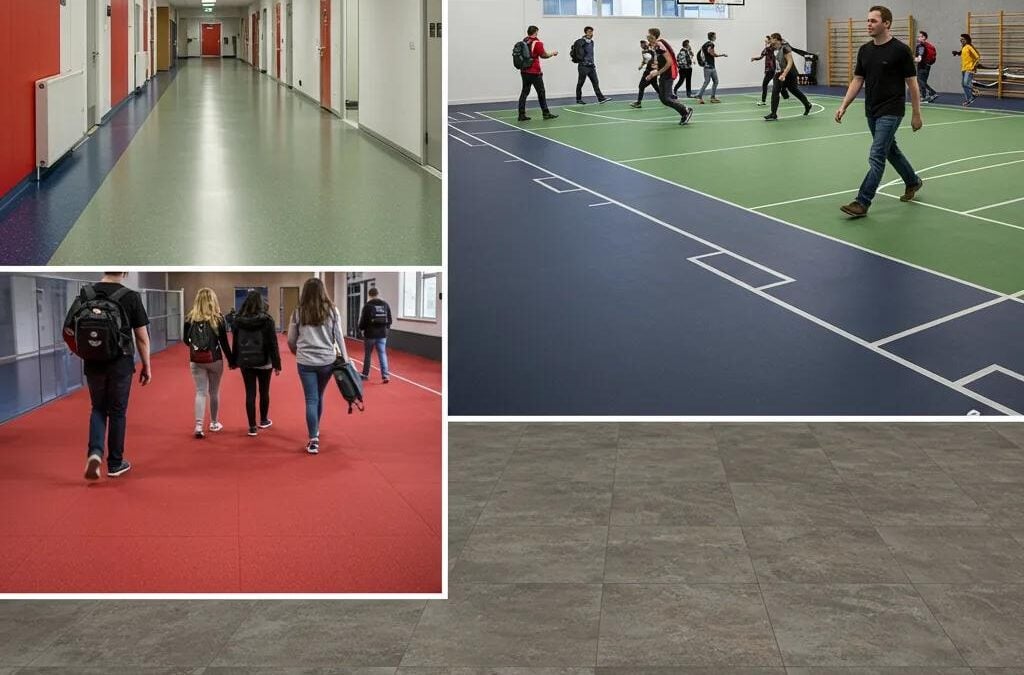
Durable University Flooring Options: Expert Solutions for High-Traffic and Specialized Campus Areas
Universities face constant wear and tear in corridors, laboratories, sports halls, and student living spaces, making flooring that enhances longevity, safety, and student satisfaction essential. By selecting resilient materials and employing expert installation techniques, facility managers can cut down on maintenance expenses and elevate the campus experience. This guide to university flooring covers:
- The most robust flooring types for labs, dorms, sports halls, and theatres
- Customized solutions for every campus zone, from accommodation to dining areas
- Eco-conscious options that blend environmental credentials with top performance
- Installation and upkeep best practices to maximize service life
- Safety and well-being features that support student health and comfort
Discover how trusted partners like SP Surfacing integrate high-performance materials, precise installation, and ongoing care to deliver dependable, long-lasting university flooring solutions.
What Are the Most Durable Flooring Types for University Campuses?
Durable flooring is designed to withstand heavy foot traffic, impacts, and spills thanks to its robust material composition and seamless installation, ensuring campus spaces remain safe and functional for years to come. Below is a comparison of key materials rated for extreme wear and their specific performance advantages.
Introducing the core attributes of leading university flooring materials:
How Does Resin Flooring Provide Extreme Durability for University Laboratories?
Resin flooring offers exceptional durability for university laboratories by creating a continuous, impervious surface that resists chemical spills, abrasion, and mechanical impact. This seamless finish prevents moisture penetration and microbial growth, supporting stringent hygiene standards while reducing the need for frequent repairs. Its high compressive strength and thermal stability contribute to long-term lab functionality, directly linking chemical resistance to uninterrupted research activities.
Chemical Resistance and Hygiene in Laboratory Flooring
Epoxy resin flooring provides exceptional chemical resistance, forming a continuous, impervious layer that protects against spills and corrosive substances, thereby extending the lifespan of the surface. Its seamless design is crucial for preventing chemical seepage and microbial growth, supporting strict hygiene protocols essential in laboratory environments.
This information verifies the article's assertion that resin flooring offers extreme durability and chemical resistance for university laboratories.
Why Is Luxury Vinyl Tile (LVT) Ideal for Student Dormitories and High-Traffic Areas?
Luxury Vinyl Tile (LVT) is an excellent choice for student dormitories and high-traffic zones due to its durable wear layer and realistic design options, which enhance both aesthetics and ease of cleaning. LVT's multi-layer construction effectively dampens footfall noise and resists stains, making it perfectly suited for shared living spaces. Its click-lock installation system facilitates quick refurbishments during term breaks, effectively combining design flexibility with operational efficiency.
What Benefits Do Rubber and Sprung Timber Floors Offer for University Sports Halls?
Rubber and sprung timber floors significantly enhance athletic facilities by improving slip resistance, impact absorption, and joint protection for athletes. Rubber flooring provides consistent traction and superior shock dispersion, thereby reducing the risk of injuries, while sprung timber systems offer natural resilience and energy return for dynamic sports activities. Together, they support safe performance under intense use and heavy equipment loads, promoting athlete well-being and the longevity of the facility.
How Do Carpet Tiles Improve Acoustics and Comfort in Lecture Theatres?
Carpet tiles effectively reduce noise levels and enhance comfort in lecture theatres by absorbing sound reflections and footstep impacts, creating clearer audio environments for large audiences. Their modular design allows for targeted panel replacement without disrupting the entire area, linking acoustic performance with cost-effective maintenance. Furthermore, their insulating properties contribute to thermal comfort, helping students stay focused and improving the overall lecture experience.
The Impact of Acoustics on Learning Environments
Research indicates that poor acoustics in educational settings can negatively affect cognitive performance and student attention, with studies suggesting that nearly one in three students struggle to understand their teachers due to excessive noise. Acoustically engineered floor coverings, such as carpet tiles and rubber flooring, are shown to significantly reduce both airborne and structure-borne noise, contributing to clearer audio environments and improved learning outcomes.
This research directly supports the article's claims regarding how carpet tiles improve acoustics in lecture theatres and the broader importance of acoustic performance in educational flooring.
Which Flooring Solutions Best Suit Specific University Areas and Their Unique Needs?
Choosing the right flooring for each campus zone requires matching functional demands—such as comfort, hygiene, or impact resistance—with specific material properties. The table below aligns flooring types with the unique requirements of different areas.
How Does Slip Resistance Improve Student Safety in Athletic and Dining Areas?
Enhanced slip resistance significantly improves student safety in athletic and dining areas by providing high-friction surfaces that prevent falls, especially on wet or polished floors. Anti-slip textures and specialized coatings maintain reliable traction even in damp conditions, directly linking floor design to reduced injuries and better liability management.
Ensuring Slip Resistance for Safety in Educational Facilities
Slip resistance is a critical factor in preventing accidents in educational institutions, particularly in areas prone to moisture like athletic facilities and dining halls. The Pendulum Test is a recognized method for assessing slip resistance, with a Pendulum Test Value (PTV) of 36 or higher generally considered to indicate a low slip risk, crucial for student and staff safety.
This research supports the article's emphasis on slip resistance as a key safety feature in university flooring, especially in high-risk areas.
How Can Universities Choose Sustainable and Eco-Friendly Flooring Options?
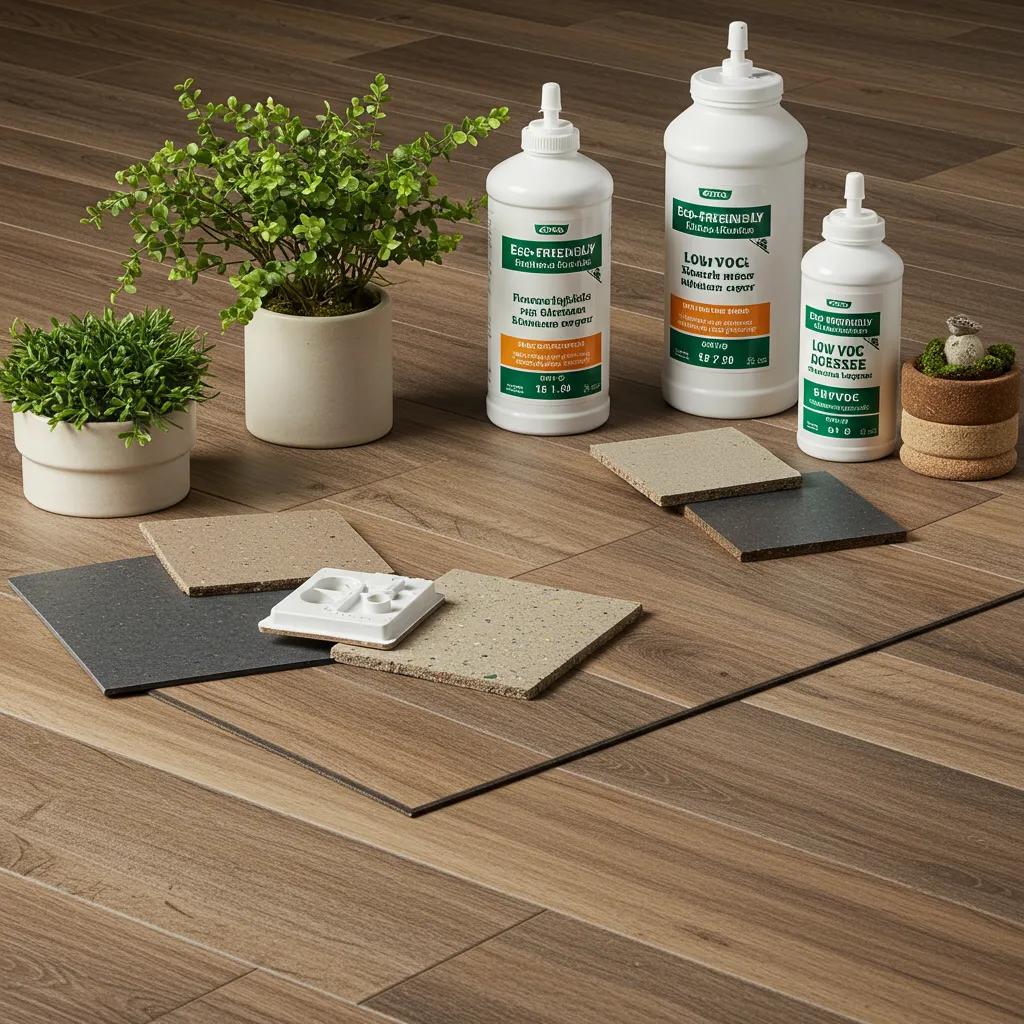
Sustainable flooring choices minimize environmental impact through the use of recycled content, low-emission adhesives, and extended service life, aligning campus upgrades with green building standards. The list below highlights three crucial sustainability considerations.
- Prioritize products featuring certified recycled materials and cradle-to-cradle design principles to conserve resources.
- Select low-VOC adhesives and coatings to promote healthy indoor air quality and reduce harmful off-gassing.
- Investigate manufacturer take-back programs and end-of-life recycling options to support a circular economy.
These strategies effectively connect eco-credentials with campus well-being and operational cost savings, guiding universities toward achieving their circular economy objectives.
What Are the Benefits of Recycled Content and Low VOC Flooring for Campus Buildings?
Flooring with recycled content and low-VOC formulations helps reduce embodied carbon and enhances indoor air quality by limiting harmful emissions, thereby supporting student health and institutional sustainability goals. These materials improve life cycle performance and positively link environmental responsibility with campus reputation.
How Do Life Cycle Assessments Influence Flooring Choices in Higher Education?
Life cycle assessments (LCAs) play a vital role in flooring selection for higher education by quantifying the total environmental impact from raw material extraction through installation and end-of-life disposal. This data-driven approach guides decision-makers toward options with the lowest overall carbon footprint, connecting sustainability metrics to long-term financial and environmental advantages.
Which Flooring Materials Combine Durability with Environmental Responsibility?
Resin systems incorporating recycled aggregates, LVT manufactured from reclaimed vinyl, and vulcanized rubber containing post-industrial rubber are prime examples of materials that merge durability with strong environmental credentials. These options deliver high performance while ensuring campus infrastructure aligns with environmental standards and circular economy principles.
What Are the Best Practices for University Flooring Installation and Maintenance?
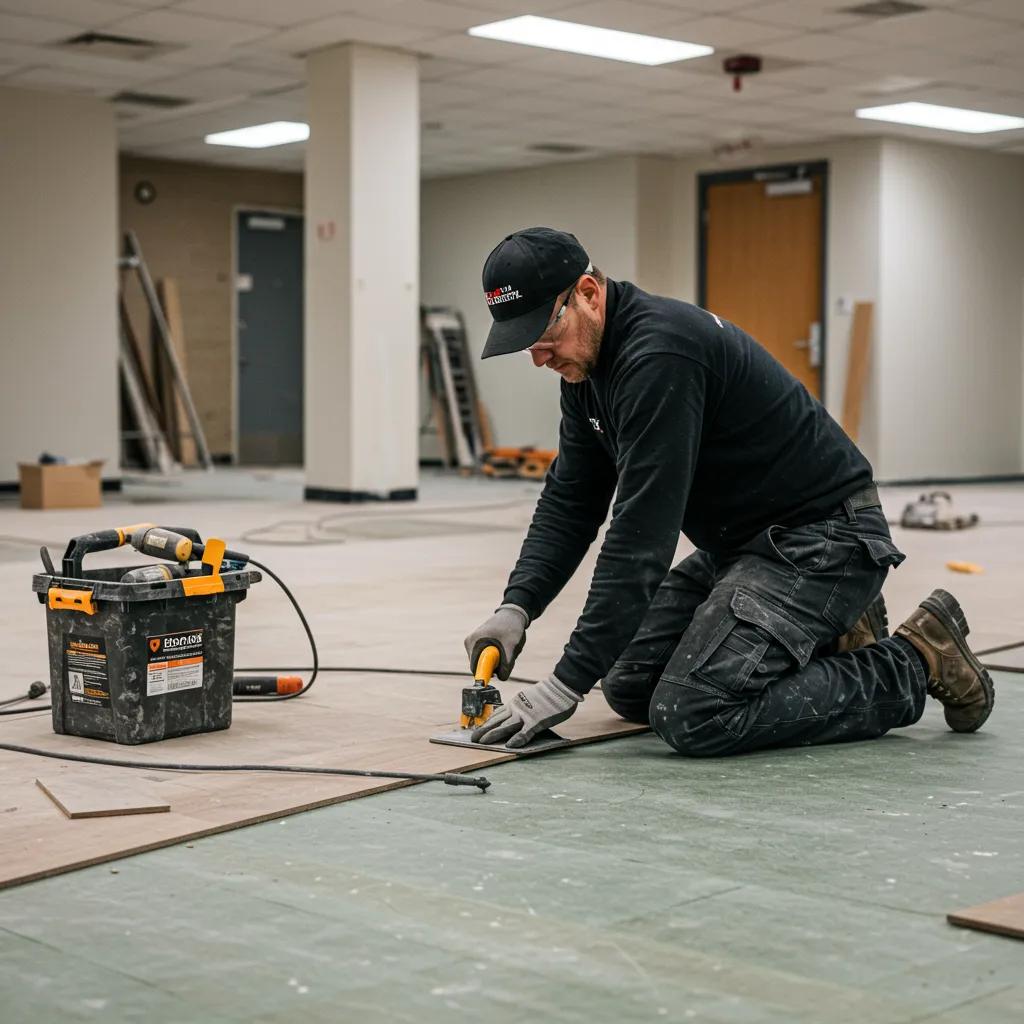
Professional installation and customized maintenance plans are key to ensuring that durable university flooring systems achieve their projected service life and performance benchmarks. The table below outlines essential installation and upkeep practices that contribute to longevity.
How Does Professional Installation Ensure Longevity of Durable University Flooring?
Professional installation guarantees the longevity of durable university flooring by ensuring meticulous substrate preparation, accurate seam alignment, and appropriate curing conditions. Accredited installers employ industry-approved techniques to effectively translate material specifications into real-world performance and uphold warranty compliance.
What Are Effective Maintenance Strategies for High-Traffic University Floors?
Effective maintenance strategies for high-traffic university floors include daily dust-mopping, weekly cleaning with pH-neutral detergents, and quarterly inspections to address minor damages before they worsen. These consistent actions help maintain slip resistance and aesthetic appeal, directly linking routine care to the facility's overall reputation.
How Can Universities Minimise Flooring Lifecycle Costs Through Proper Care?
Universities can significantly reduce flooring lifecycle costs through diligent care by implementing preventive maintenance schedules, utilizing protective mats in high-wear zones, and providing thorough training to staff on correct cleaning protocols. This comprehensive approach ensures proactive upkeep leads to extended service intervals and predictable budgeting.
What Are the Key Safety and Performance Features to Consider in University Flooring?
Crucial safety and performance features—such as slip resistance, acoustic control, and chemical stability—are essential for ensuring campus flooring protects students and supports specialized academic and recreational activities. The following table compares key safety attributes across various materials.
Why Is Acoustic Performance Important in Educational Flooring?
Acoustic performance is paramount in educational flooring as effective noise reduction significantly enhances speech intelligibility and concentration within learning environments. Sound-absorbing materials minimize reverberation, facilitating clearer communication and promoting greater academic engagement and overall well-being.
How Do Fire and Chemical Resistance Attributes Affect Flooring Choices?
Fire and chemical resistance attributes are critical factors influencing flooring selections, ensuring compliance with building codes and stringent laboratory safety regulations. Materials engineered for high fire resistance and chemical exposure maintain their integrity under extreme conditions, directly linking enhanced durability to robust campus safety protocols.
How Do Durable Flooring Options Enhance Student Well-Being and Campus Experience?
Durable flooring options contribute to enhanced student well-being by improving indoor air quality, providing superior comfort, and elevating aesthetic appeal, thereby creating healthier and more inviting learning environments. By incorporating high-performance textiles, low-emission surfaces, and ergonomic underlayments, campuses can foster both physical health and optimal cognitive focus.
What Role Does Flooring Play in Indoor Air Quality and Student Health?
Flooring plays a significant role in indoor air quality and student health by minimizing volatile organic compound (VOC) emissions and inhibiting microbial growth through the use of non-porous surfaces. Selecting low-VOC materials and antimicrobial coatings directly links floor choices to reduced allergy symptoms and improved respiratory wellness.
How Do Flooring Choices Impact Comfort and Noise Levels in Dormitories and Classrooms?
Flooring choices have a direct impact on comfort and noise levels in dormitories and classrooms by offering cushioning underfoot and effectively absorbing sound waves. Options like cushion-back LVT and carpet tiles help reduce impact noise, thereby linking comfort-enhancing features to better sleep quality and improved learning outcomes.
How Can Design Flexibility Improve Campus Aesthetics and Functionality?
Design flexibility allows for the creation of custom patterns, color-coded zones, and intuitive wayfinding cues that align with institutional branding and safety requirements, ultimately enhancing campus aesthetics and functionality. Modular flooring systems also support phased renovations and effectively link visual appeal with operational adaptability.
What Are Common Questions About Durable University Flooring?
Universities frequently inquire about balancing durability, cost, and safety when specifying campus flooring, making clear, concise answers essential for streamlining procurement and maintenance planning.
What Is the Most Durable Flooring for a University?
The most durable flooring for a university typically involves epoxy or polyurethane resin systems and high-grade luxury vinyl tile (LVT), offering exceptional abrasion resistance, seamless surfaces, and rapid repair capabilities essential for handling heavy traffic conditions.
How Often Should University Flooring Be Replaced?
University flooring generally requires replacement every 10–15 years, contingent upon the material type, intensity of footfall, and rigor of maintenance; however, proactive inspections can extend its service life and defer capital expenditure.
Are There Cost-Effective Flooring Solutions for High-Traffic University Areas?
Cost-effective flooring solutions for high-traffic university areas include LVT and modular carpet tiles, which strike an excellent balance between initial cost, low maintenance demands, and straightforward panel replacement, thereby controlling lifecycle expenses.
What Flooring Is Best for Student Dorms and Common Areas?
The flooring best suited for student dorms and common areas encompasses luxury vinyl tile (LVT) for its superior stain resistance and carpet tiles for their acoustic comfort benefits; both options facilitate swift refurbishments and connect student satisfaction with facility upkeep.
How Can Universities Ensure Flooring Safety and Compliance?
Universities can ensure flooring safety and compliance by selecting materials rigorously tested against recognized standards for slip resistance, fire performance, and chemical exposure, and by partnering with accredited installers who adhere strictly to regulatory guidelines.
Durable university flooring effectively transforms high-traffic and specialized campus zones into safe, high-performance environments that support academic, residential, and athletic activities. By integrating resilient materials, sustainable options, and professional installation expertise, institutions can significantly reduce maintenance costs and enhance overall student well-being. Thoughtful selection of slip-resistant, acoustically optimized, and chemically stable surfaces ensures compliance and long-term serviceability, while design flexibility promotes brand identity and operational functionality. Partnering with experienced flooring specialists guarantees precision execution and ongoing support, resulting in a campus infrastructure built to endure.