
The Ultimate Guide to Fitness Centre Flooring: Top Solutions for Every Zone
From resilient rubber and versatile vinyl to durable turf, foam, cork, and bamboo, each flooring material offers distinct advantages for modern fitness centres. These choices are crucial for ensuring superior durability, enhanced safety, and an appealing aesthetic. Facility managers grapple with critical decisions regarding shock absorption, noise mitigation, hygiene standards, and budget constraints. However, making the right selection can transform a gym into a peak-performance environment. This comprehensive guide delves into the leading flooring materials, provides zone-specific recommendations, outlines core benefits, details installation and maintenance best practices, explores cost versus ROI factors, highlights emerging innovations, and offers practical answers to common flooring questions. By understanding the unique characteristics of each option, owners and managers can collaborate with the experts at spsurfacing.com to secure bespoke solutions that perfectly balance performance, longevity, and environmental consciousness.
What Are the Premier Flooring Choices for Fitness Centres?
Commercial gym flooring encompasses a range of materials engineered to withstand intense activities, heavy equipment, and constant foot traffic, all while prioritizing safety and comfort. Familiarizing yourself with these core options will help you align material properties with your facility's specific needs and user expectations.
What Are the Advantages of Rubber Gym Flooring?
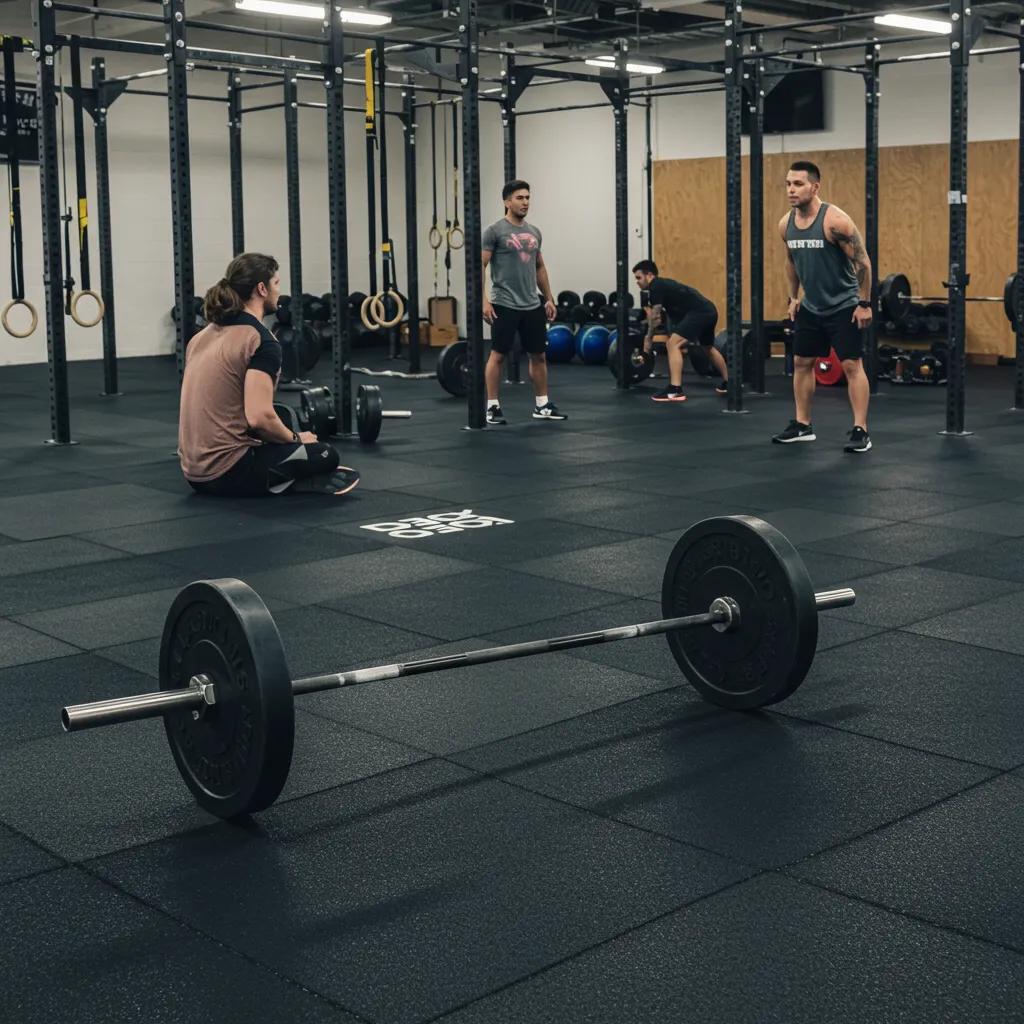
Rubber gym flooring provides outstanding shock absorption, safeguarding both joints and subfloors by effectively dispersing impact forces through its dense polymer matrix. Its remarkable durability under continuous heavy loads, such as dropped weights, guarantees an extended service life. Furthermore, its inherent slip resistance and superior noise dampening create a safer, more tranquil workout atmosphere for all members.
Key benefits of rubber gym flooring include:
- Exceptional Shock Absorption – Dense SBR or EPDM compounds can reduce impact stresses by up to 30%.
- Unmatched Durability – Withstands the rigours of heavy free-weight areas without succumbing to tears or indentations.
- Significant Noise Reduction – Attenuates equipment noise by up to 15 dB, fostering a calmer gym environment.
- Enhanced Slip Resistance – Textured surfaces ensure reliable traction, even when exposed to sweat or moisture.
These high-performance attributes establish rubber as the go-to choice for weightlifting zones, functional training spaces, and high-traffic areas, setting the stage for the versatile application of vinyl.
How Is Vinyl Flooring Ideal for Multi-Purpose Gym Areas?
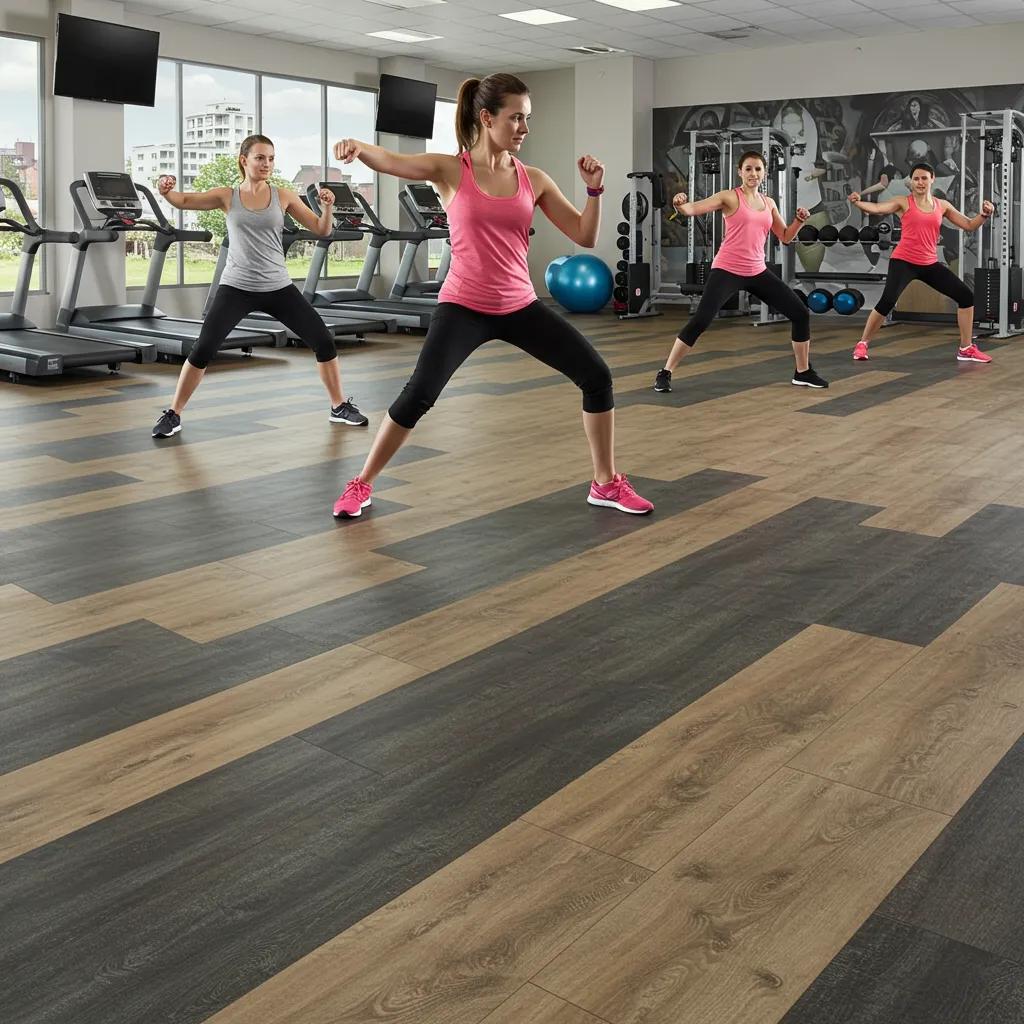
Commercial vinyl flooring features a resilient PVC top layer paired with a cushioned backing, offering effortless cleaning and the integration of custom graphics without compromising performance. Its tightly sealed surface effectively prevents moisture penetration, while its moderate cushioning provides low-impact support for aerobics, group classes, and cardio equipment.
Key advantages across various applications:
- Low Maintenance Requirements – The smooth PVC surface resists stains and is simple to disinfect.
- Unlimited Design Flexibility – Available in a vast array of colours, patterns, and logos to perfectly match your brand identity.
- Balanced Cushioning – Offers a harmonious blend of comfort and stability, ideal for machine-based workouts.
By effectively bridging the gap between hard-surface flooring and rubber, vinyl meets diverse demands in studios, spin rooms, and multi-purpose courts, before specialized turf becomes the next consideration.
When Is Artificial Turf the Best Choice for Fitness Centres?
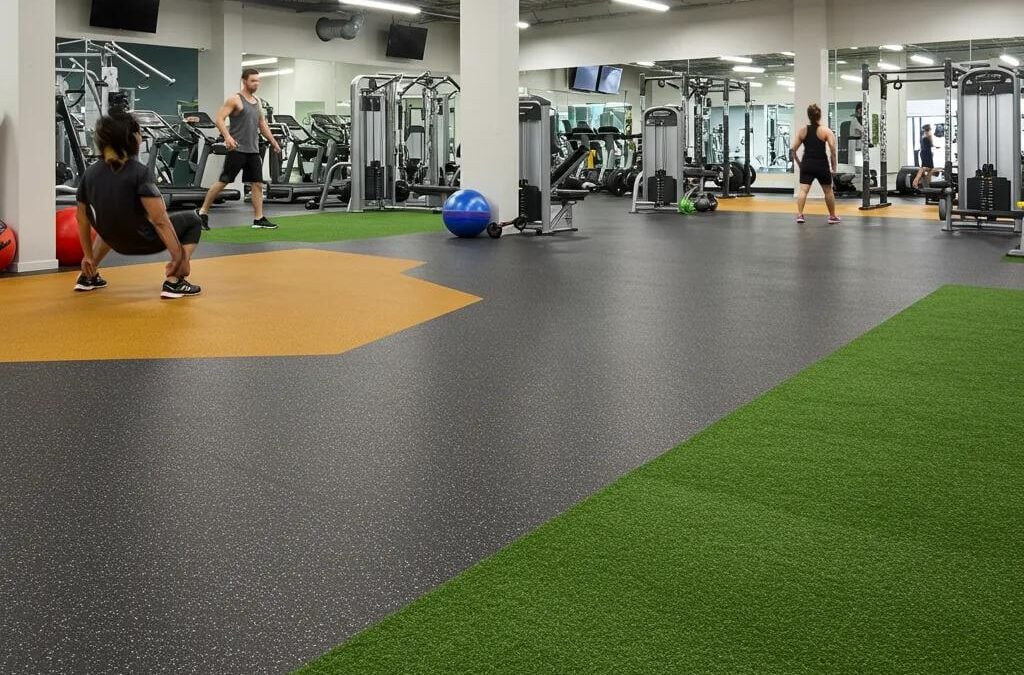
Artificial turf meticulously replicates the texture of natural grass using advanced synthetic fibres bonded to shock-absorbing underlays. It's perfectly optimised for activities like sled pushes, functional training circuits, and agility drills. Its high-traction surface and modular installation capabilities make it ideal for bespoke functional zones or indoor tracks where dynamic movement requires consistent grip and minimal upkeep.
Key features of gym turf:
- Agility and Performance Support – High-traction fibres prevent slippage during lateral movements and drills.
- Modular Roll System – Allows for quick replacement of worn sections, avoiding complete room downtime.
- Exceptional Durability – UV-stabilized yarn and shock-absorbing pads are designed to withstand heavy traffic.
Functional training areas gain significant versatility from turf, allowing for seamless transitions to adjacent rubber free-weight zones or cardio spaces as program needs evolve.
What Are the Benefits of Foam, Cork, and Bamboo Flooring?
Environmentally conscious and low-impact alternatives include EVA foam, cork tiles, and bamboo planks, each offering distinct advantages for specific activities. Foam cushioning effectively reduces fatigue in yoga and Pilates studios, cork's natural resilience helps control vibrations, and bamboo provides a sustainable, aesthetically pleasing option for wellness-focused environments.
Choosing these materials introduces sustainable options without compromising on comfort, guiding readers toward informed, zone-specific decisions.
How Do You Select the Ideal Flooring for Different Gym Activity Zones?
Flooring requirements are highly specific to each zone, dictated by the intensity of activities, the weight of equipment, hygiene considerations, and the comfort of members.
What Flooring Is Best Suited for Weightlifting and Strength Training Areas?
High-density rubber mats or robust interlocking tiles are the superior choice for weightlifting zones, offering maximum impact resistance and crucial subfloor protection against dropped barbells.
- Density: Aim for 80–100 Shore A for optimal load distribution.
- Thickness: A recommendation of 12 mm–25 mm is ideal for absorbing heavy impacts.
- Interlocking Design: Tiles lock securely to prevent tripping hazards and simplify repair processes.
These specifications ensure the safety of both equipment and athletes, paving the way for quieter cardio zones where slip resistance is a top priority.
Which Flooring Works Best in Cardio Equipment Zones?
Cardio areas necessitate surfaces that provide excellent shock absorption for foot traffic and effective vibration control for treadmills, thereby minimizing noise and wear.
Essential components of an ideal cardio floor:
- Medium-Density Rubber Roll – 8–10 mm thickness offers a cushioned yet stable foundation.
- Anti-Fatigue Backing – Enhances comfort during extended workout sessions.
- Closed-Cell Construction – Prevents moisture absorption, ensuring superior hygiene.
A precisely chosen rubber roll can transform the cardio zone into a controlled, slip-resistant environment, directly contributing to member satisfaction and extending equipment lifespan.
What Are the Flooring Requirements for Functional Training Spaces?
Functional training areas demand modularity, robust impact resistance, and the flexibility for easy reconfiguration to accommodate equipment like sleds, battle ropes, and plyometric boxes.
Core specifications include:
- Interlocking Turf and Rubber Systems – Facilitate custom layouts and seamless integration of training tools.
- Shock Pad Underlay – Provides up to 20% greater energy return for dynamic movements.
- Seamless Joins – Prevent the infiltration of moisture or debris, ensuring consistently hygienic surfaces.
This resilient combination effectively supports high-velocity movements and heavy implements, transitioning smoothly to the restorative environments of studio spaces.
How Should Yoga and Pilates Studios Be Floored?
Comfort and anti-fatigue properties are paramount when selecting studio flooring, favouring soft, stable surfaces that support balance, stretching, and prolonged held poses.
Preferred materials include:
- EVA Foam Tiles – Offer soft cushioning that significantly reduces joint strain.
- Cork Floating Floor – Provides natural anti-microbial qualities and a moderate, forgiving surface.
- Thin Rubber Rolls – 4–6 mm thickness ensures excellent slip control and straightforward cleaning.
By prioritizing tactile comfort and impeccable cleanliness, studios can enhance the wellness experience and foster strong member loyalty, naturally leading into the hygiene-focused requirements of locker rooms.
What Flooring Is Suitable for Locker Rooms and Changing Areas?
Locker rooms require water-resistant, anti-microbial flooring with efficient drainage systems to maintain optimal hygiene and prevent slip-related incidents.
Key features to look for:
- Vinyl Sheet with Welded Seams – Creates a completely waterproof barrier against moisture.
- Textured Surface Pattern – Minimizes slip risks, even when wet.
- Anti-Microbial Treatment – Actively inhibits the growth of mold and bacteria.
Selecting the appropriate materials for ancillary spaces is crucial for completing an effective zonal flooring plan, thereby enhancing overall facility safety and aesthetic appeal.
What Are the Primary Benefits of Rubber Gym Flooring for Fitness Centres?
Rubber gym flooring offers a compelling combination of performance attributes that perfectly meet the demanding requirements of high-traffic, commercial fitness environments.
How Does Rubber Flooring Provide Superior Shock Absorption and Injury Prevention?
The elastic polymer network within rubber flooring is expertly designed to dissipate impact energy, reducing ground reaction forces by as much as 50%. This significantly protects user joints and minimizes muscle fatigue during high-intensity workouts.
Research indicates that rubber sports flooring substantially lowers the risk of athletic injuries by effectively absorbing impact forces and reducing stress on joints, muscles, and bones during strenuous activities. This protective characteristic helps mitigate the likelihood of both acute injuries, such as sprains, and chronic conditions like stress fractures and tendonitis. (acousticalsolutions.com)
This robust injury prevention mechanism not only enhances the member experience but also helps to lower potential liability concerns, leading directly into the critical importance of durability in busy fitness facilities.
Why Is Durability So Crucial for Commercial Gym Flooring?
Exceptional longevity under constant mechanical stress is non-negotiable. Premium rubber formulations are engineered to resist tearing and compression set, ensuring a consistently flat and safe surface in weightlifting and group training areas for many years.
Durable flooring solutions translate directly into lower replacement costs and fewer operational disruptions. This benefit is closely followed by the significant advantages offered by noise reduction features.
How Does Rubber Flooring Effectively Reduce Noise in Fitness Centres?
The inherent viscoelastic properties of rubber excel at absorbing both airborne and structure-borne noise. This capability can reduce reverberation by up to 20 dB, contributing significantly to a quieter, more focused workout environment for everyone.
Improved acoustics lead to higher member satisfaction and cultivate a more professional, serene ambiance. This seamlessly connects to the equally important considerations of slip resistance and overall safety.
What Makes Rubber Flooring So Slip-Resistant and Safe?
Rubber's meticulously designed textured surface and high-friction coefficient (ranging from 0.6–0.8) ensure reliable traction, even in wet conditions. This dramatically reduces the incidence of falls and ensures compliance with or exceeding industry slip-resistance standards (R9–R11).
This strong safety profile aligns perfectly with the growing trend towards eco-friendly options within the broader sustainability movement.
How Eco-Friendly Are Recycled Rubber Flooring Options?
Recycled rubber tiles offer a sustainable solution by repurposing post-consumer tires. This process significantly reduces landfill waste and achieves carbon footprint reductions of up to 40% compared to virgin rubber, all while maintaining the material's essential performance characteristics.
These strong sustainability credentials reinforce the compelling cost and ROI considerations discussed in the subsequent section.
How Do You Ensure Proper Installation and Maintenance for Gym Flooring Longevity?
Expert installation coupled with consistent, diligent maintenance are the cornerstones of ensuring your flooring assets deliver maximum service life and optimal performance.
What Are the Essential Steps for Proper Gym Flooring Installation?
- Measure and Plan Meticulously – Design the layout to minimize the number of seams.
- Clean and Level the Subfloor – Ensure the concrete base is perfectly clean and level, within 3 mm over a 3 m span.
- Apply Recommended Adhesive – Use the specified adhesive uniformly for rubber rolls or tile patterns.
- Position and Roll Firmly – Carefully place the flooring, using a roller to eliminate any air pockets.
- Allow Adequate Cure Time – Ensure the adhesive is fully cured before introducing equipment.
This methodical approach is fundamental to the subfloor preparation techniques detailed in the following section.
How Do You Prepare Subfloors for Commercial Gym Flooring?
A stable, impeccably clean foundation is absolutely critical. Subfloors must undergo rigorous moisture testing, be properly patched, and primed to guarantee optimal adhesion and prevent future delamination issues.
- Moisture Testing Protocol – Verify that the moisture vapor emission rate is less than 3 lb/1000 ft²/24 h.
- Crack Repair Procedures – Employ self-leveling underlayment to eliminate any depressions or unevenness.
- Primer Application Guidelines – Enhance adhesive bond strength, particularly on porous substrates.
Thorough preparation is key to safeguarding long-term performance and informs the critical selection of appropriate adhesives.
Which Adhesives and Methods Are Best for Rubber Flooring?
High-solids, water-based acrylic adhesives offer superior initial tack and long-term bond strength for both rubber rolls and tiles. Crucially, they avoid the VOC concerns associated with solvent-based options.
- Trowel Notch Size Specification – Use a 1.6 mm × 1.6 mm × 1.6 mm notch for consistent, uniform coverage.
- Adhesive Open Time – Allow 10–15 minutes for the adhesive to reach optimal tackiness before placing the flooring.
- Roll Pressure Application – Utilize a 50 kg roller to ensure complete contact and eliminate voids.
The choice of adhesive directly influences the effectiveness of routine maintenance routines, which are covered in the next section.
What Are the Best Practices for Cleaning and Maintaining Rubber Gym Floors?
Regular, consistent maintenance is essential for preserving the appearance and performance of your rubber gym floors. This includes dry dust mopping, using pH-neutral cleaning agents, and periodic deep scrubbing to extend the material's life and maintain its crucial slip resistance.
Recommended maintenance schedule:
- Daily Routine – Dry mop thoroughly to remove all surface debris.
- Weekly Cleaning – Damp mop using a neutral cleaner at a 1% concentration.
- Quarterly Service – Employ a low-speed buffer with a soft pad for surface rejuvenation.
This diligent regimen supports effective repair strategies that significantly prolong the flooring's overall lifecycle.
How Can You Repair and Extend the Life of Gym Flooring?
Minor damage, such as small gouges or displaced tiles, can be effectively addressed using on-site patch kits or specific tile replacement kits. This approach avoids the need for costly full-area replacements, maximizing budget efficiency.
Effective repair tactics include:
- Spot Patching Techniques – Precisely match tile colour and thickness to restore a uniform surface appearance.
- Seam Re-Sealing Procedures – Reapply adhesive and roller pressure to any loose edges to ensure integrity.
- Deep Cleaning Methods – Thoroughly remove embedded dirt and grime that can cause abrasive wear.
A robust maintenance and repair program naturally leads into the important considerations of cost and ROI.
What Are the Cost and ROI Considerations for Fitness Centre Flooring?
Investing in high-quality flooring involves balancing initial capital expenditure with long-term savings achieved through enhanced durability, reduced maintenance requirements, and improved member retention rates.
How Do Different Flooring Types Compare in Cost and Durability?
Comparing the initial cost against the expected lifespan clearly highlights rubber's superior ROI for high-impact areas, before delving into the advantages of sustainability.
What Is the Long-Term Value of Eco-Friendly Gym Flooring?
While sustainable options may sometimes involve a slightly higher initial investment, they deliver significant long-term value through enhanced brand differentiation, a reduced carbon footprint, and eligibility for green facility incentives, ultimately improving the total cost of ownership over the facility's operational life.
- Recycled Rubber Materials – Expect a 10%–15% premium for associated environmental credits.
- Cork/Bamboo Sourcing – Renewable sourcing meets stringent eco-certification criteria.
- Lifecycle Analysis Benefits – Lower disposal costs and contributions to a circular economy.
Investments in eco-friendly flooring align perfectly with the maintenance savings discussed in the following section.
How Does Flooring Choice Impact Facility Maintenance Costs?
Highly durable materials significantly minimize the frequency of repairs and reduce overall cleaning expenses. Furthermore, high-performance surfaces lead to less downtime and lower labour costs throughout the facility's operational period.
- Material Durability Factor – Allows for longer intervals between necessary replacements.
- Cleaning Requirement Optimization – Utilizes neutral pH products and reduces the need for frequent deep-cleaning cycles.
- Repair Simplicity Advantage – Modular systems enable targeted, cost-effective fixes rather than full replacements.
A thorough understanding of these factors empowers strategic budgeting decisions and underscores the significant benefits offered by emerging trends in the industry.
What Are the Latest Trends and Innovations in Fitness Centre Flooring?
The fitness flooring sector is continuously evolving, driven by advancements in smart technologies, the rise of modular systems, and an increasing emphasis on hygiene and sustainability.
How Are Modular and Interlocking Flooring Systems Revolutionizing Gym Design?
Modular tiles and interlocking panels facilitate rapid installation, offer unparalleled design flexibility for reconfiguration, and enable targeted replacement of damaged sections. This significantly reduces downtime and allows for creative, precise zone delineation.
- Custom Layout Creation – Design bespoke training circuits tailored to specific needs.
- Rapid Maintenance Capabilities – Swap out damaged sections effortlessly without disrupting the entire area.
- Seamless Design Integration – Combine turf, rubber, and foam materials harmoniously.
These innovations actively support the development of interactive flooring platforms and technology integration, which are explored in the next section.
What Role Does Smart Flooring Technology Play in Modern Gyms?
Embedded pressure sensors and advanced IoT connectivity provide real-time insights into foot traffic patterns, impact loads, and areas experiencing significant wear-and-tear. This data is invaluable for optimizing maintenance schedules and strategic equipment placement.
This research details the development and implementation of an intelligent, sensitive flooring system, a key component of the PLEINAIR project. Equipped with integrated pressure sensors and visual feedback capabilities, this IoT-based flooring solution is designed to enhance user engagement and actively encourage physical activity through interactive and personalized experiences. (acousticalsolutions.com)
Key capabilities of smart flooring systems:
- Load Monitoring Alerts – Provides notifications for abnormal stress that could potentially damage subfloors.
- User Analytics Insights – Optimizes member flow and informs facility layout decisions.
- Predictive Maintenance Scheduling – Extends flooring lifespan through timely, data-driven interventions.
Smart flooring seamlessly integrates with the growing demand for enhanced hygiene through advanced anti-microbial surfaces.
Why Is Anti-Microbial and Easy-to-Clean Flooring Increasingly in Demand?
Surfaces treated with advanced antimicrobial agents and constructed from low-porosity composites are highly effective at inhibiting bacterial and fungal growth. This is critically important for shared fitness venues aiming to meet heightened health and safety standards.
Key health-driven features include:
- Silver-Ion Treatments – Offer continuous, long-lasting microbial protection.
- Non-Absorbent Finishes – Prevent fluid penetration and significantly simplify sanitization processes.
- Relevant Certifications – Ensure compliance with health codes and meet evolving member expectations.
This strong focus on hygiene directly intersects with the sustainability movement, driving innovation in material choices.
How Is Sustainability Influencing New Flooring Material Choices?
Manufacturers are increasingly utilizing bio-based polymers, post-industrial rubber waste, and recyclable composite structures. These innovations significantly reduce environmental impact while maintaining high levels of performance.
Notable sustainable developments include:
- Reclaimed Rubber Tracks – Combine EPDM granules with virgin compounds for enhanced durability and sustainability.
- Plant-Based PVC Alternatives – Reduce reliance on traditional fossil-fuel derivatives.
- Closed-Loop Recycling Systems – Transform end-of-life flooring products into new, high-quality materials.
These eco-innovations not only benefit the environment but also reinforce positive facility branding and long-term value propositions.
What Are Common FAQs About the Best Flooring for Fitness Centres?
Fitness centres frequently pose detailed questions regarding material selection, optimal thickness, and maintenance protocols to guide their purchasing decisions and ensure peak performance from their flooring investments.
What Thickness of Rubber Flooring Is Best for Weightlifting Areas?
For heavy-lifting platforms, a thickness ranging from 12 mm to 19 mm provides maximum shock absorption and essential subfloor protection. Higher thickness levels are particularly recommended for Olympic lifts and powerlifting rigs.
This precise specification ensures both athlete safety and optimal equipment preservation, leading naturally into considerations regarding the choice between roll and tile formats.
What Is the Difference Between Rubber Rolls and Interlocking Tiles?
Rubber rolls are ideal for creating a seamless surface, perfect for cardio and general training spaces. In contrast, interlocking tiles offer the advantage of targeted repairs, custom layout possibilities, and faster installation, often without the need for adhesives.
The decision between these formats hinges on specific zonal requirements, individual maintenance preferences, and the facility's long-term strategic plans.
How Do You Clean and Maintain Rubber Gym Flooring?
Routine care involves consistent dry dust mopping, weekly damp mopping with pH-neutral cleaners, and quarterly low-speed scrubbing. This regimen is crucial for preserving slip resistance and maintaining the integrity of the surface.
Consistent, diligent maintenance extends the floor's lifespan, minimizes the need for repairs, and safeguards member health in high-traffic zones.
What Are the Most Durable Flooring Options for High-Traffic Gyms?
High-density rubber tiles and commercial-grade rolling rubber sheets consistently rank at the top for durability. They are exceptionally resistant to compression set and wear, making them ideal for busy weightlifting, functional training, and group exercise areas.
Durability directly impacts the return on investment (ROI) and influences maintenance budgets, reinforcing the importance of cost-benefit analyses.
How Can I Choose Eco-Friendly Flooring for My Fitness Centre?
Prioritize materials that incorporate recycled content, possess sustainable sourcing certifications, and are installed using low-VOC adhesives. This approach minimizes environmental impact while ensuring excellent performance in shock absorption, slip resistance, and overall longevity.
Balancing strong green credentials with gym-specific performance attributes is key to making an effective and responsible flooring investment.
By integrating these frequently asked questions with deeper insights, we provide a truly comprehensive guide that empowers fitness centre owners to confidently select, install, and maintain flooring systems perfectly tailored to every zone, budget, and performance requirement.