
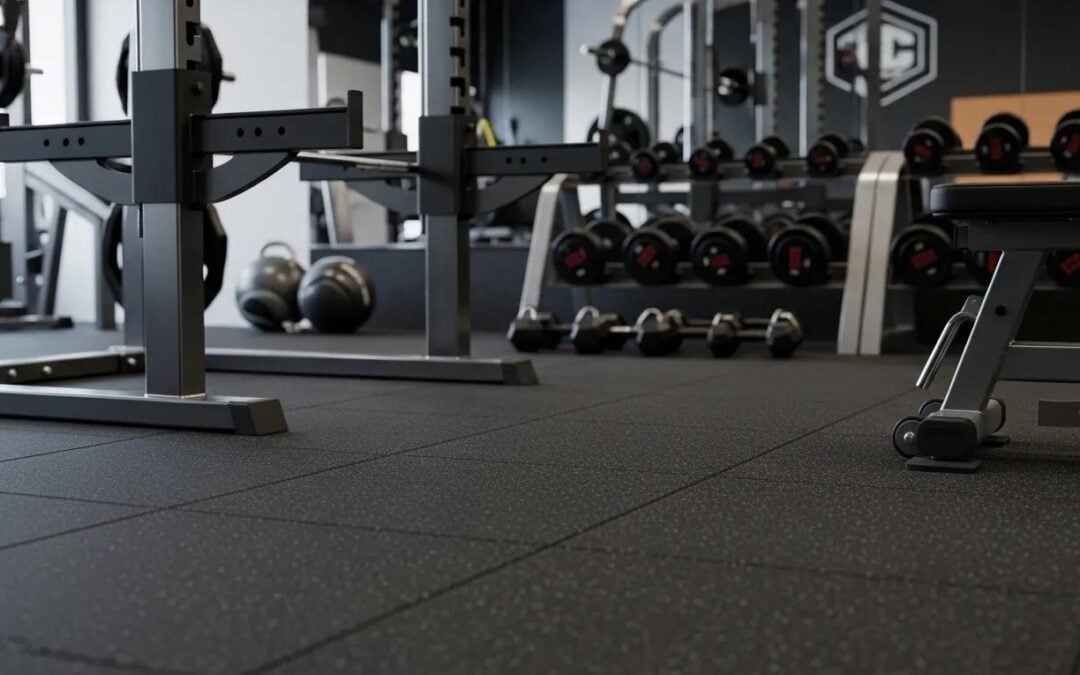
Durable Weight Room Flooring Solutions for Safety and Performance
Choosing the right flooring for weight rooms is crucial for both safety and performance. Durable weight room flooring not only enhances the overall aesthetic of the space but also provides essential features that protect athletes and equipment. This article will explore the best commercial gym flooring materials, the importance of surface preparation, installation best practices, safety standards, and maintenance tips. By understanding these elements, gym owners can create a safe and effective environment for their clients. We will also highlight how SP Surfacing specializes in providing tailored flooring solutions for commercial and industrial applications, ensuring that your weight room meets the highest standards of safety and performance.
What Are the Best Commercial Gym Flooring Materials for Weight Rooms?
When selecting flooring for weight rooms, it is essential to consider materials that offer durability, safety, and performance. The best gym flooring options include rubber flooring, vinyl flooring, and performance turf. Each material has unique properties and benefits that cater to different needs in a weight room setting.
These materials not only enhance the safety of the environment but also contribute to the overall performance of athletes. For instance, rubber flooring provides superior shock absorption, reducing the risk of injury during heavy lifts.
How Do Impact Resistant and Non Slip Gym Flooring Materials Enhance Safety?
Impact-resistant and non-slip flooring materials are vital for preventing injuries in weight rooms. These materials are designed to absorb shock and provide traction, which helps to minimize slips and falls.
- Injury Prevention: The cushioning effect of impact-resistant flooring reduces the stress on joints during workouts, lowering the risk of injuries.
- Protection for Athletes: Non-slip surfaces ensure that athletes maintain their footing, especially during high-intensity training sessions.
- Slip Resistance: Flooring with textured surfaces enhances grip, providing additional safety during dynamic movements.
By investing in these safety features, gym owners can create a more secure environment for their clients.
What Are the Benefits of Rubber Flooring in Weight Rooms?
Rubber flooring is a popular choice for weight rooms due to its numerous advantages.
- Durability: Rubber flooring is highly resistant to wear and tear, making it ideal for high-traffic areas.
- Shock Absorption: It effectively absorbs impact, protecting both the flooring and the athletes from injuries.
- Cost-Effectiveness: While the initial investment may be higher, the longevity and low maintenance costs of rubber flooring make it a wise choice in the long run.
Research further supports the effectiveness of rubber flooring in mitigating impact forces and enhancing safety.
Rubber Underlay for Impact Reduction in Flooring
Considerable differences were identified between floor samples in their ability to reduce the peak impact force (range 0.7–25%). A peak force reduction of up to 25% can be achieved with a specially designed rubber underlay. Horizontal pulling force increased with floor thickness but was lower for rubber floors. There was no direct relationship between impact attenuation and horizontal pulling force. Whilst thickness and core material explain some variations (66.5% for wheel movement; 82.3% for impact), other unmeasured factors clear
A comparison of floor surfaces for injury prevention in care settings: impact forces and horizontal pulling force required to move wheeled equipment, BE Keenan, 2020
These benefits make rubber flooring a top contender for any weight room setup.
How Does Surface Preparation Affect Weight Room Flooring Durability and Performance?
Surface preparation is a critical step in ensuring the longevity and performance of weight room flooring. Proper preparation involves cleaning, leveling, and priming the subfloor to create an ideal foundation for the flooring material.
What Are the Key Steps in Surface Preparation for Weight Room Flooring?
- Thorough Subfloor Preparation: Ensuring the subfloor is clean and level is essential for preventing future issues.
- Material Selection: Choosing the right adhesive and flooring material based on the specific needs of the weight room.
- Professional Installation: Engaging experts for installation can significantly enhance the durability and performance of the flooring.
By following these steps, gym owners can avoid common pitfalls that lead to premature flooring failure.
Why Is Expert Surface Preparation Critical for Long-Term Flooring Performance?
Expert surface preparation is vital for several reasons:
- Prevention of Issues: Properly prepared surfaces reduce the likelihood of bubbling, cracking, or peeling.
- Longevity of Flooring: A well-prepared subfloor extends the life of the flooring material, ensuring it remains functional and safe.
- Safety Compliance: Adhering to preparation standards helps meet safety regulations, protecting both the facility and its users.
Investing in professional surface preparation is essential for achieving optimal flooring performance.
What Are the Best Practices for Weight Room Floor Installation?
Installing weight room flooring requires careful planning and execution to ensure safety and durability.
- Professional Installation: Hiring experienced installers can prevent common mistakes that compromise flooring integrity.
- Material Selection: Choosing the right type of flooring based on the specific activities performed in the weight room.
- Maintenance Guidance: Providing clear maintenance instructions to ensure the flooring remains in top condition.
These best practices help ensure that the flooring installation meets safety and performance standards.
How to Estimate Weight Room Floor Installation Cost Accurately?
Estimating the cost of weight room floor installation involves several factors:
- Material Costs: The type of flooring selected will significantly impact the overall cost.
- Installation Complexity: More complex installations may require additional labor and time, increasing costs.
- Long-Term Maintenance Costs: Considering the maintenance requirements of different flooring types can help in budgeting for future expenses.
By understanding these factors, gym owners can make informed decisions regarding their flooring investments.
What Installation Techniques Ensure Optimal Adhesion and Safety Compliance?
To ensure optimal adhesion and safety compliance during installation, consider the following techniques:
- Subfloor Preparation: Properly preparing the subfloor is crucial for achieving strong adhesion.
- Adhesive Application: Using the right adhesive and applying it correctly can prevent flooring failures.
- Moisture Control: Addressing moisture issues before installation is essential for preventing mold and mildew growth.
Implementing these techniques will enhance the safety and durability of the flooring.
Which Safety Standards Govern Durable Weight Room Flooring?
Safety standards play a crucial role in the selection of durable weight room flooring. Compliance with these standards ensures that the flooring meets specific safety and performance criteria.
How Do ASTM and ISO Certifications Impact Flooring Selection?
ASTM and ISO certifications are essential for ensuring that flooring materials meet industry standards.
- Safety Compliance: Certified materials are tested for slip resistance and impact absorption, ensuring they provide a safe environment.
- Environmental Considerations: Many certifications also address environmental impact, promoting sustainable practices in flooring production.
- Performance Standards: Compliance with these standards guarantees that the flooring will perform as expected under various conditions.
Choosing certified flooring materials is crucial for maintaining safety and performance in weight rooms.
What Are the Essential Safety Features for Commercial Gym Flooring?
When selecting flooring for commercial gyms, consider these essential safety features:
- Shock Absorption: Flooring should effectively absorb impact to protect athletes.
- Slip Resistance: Non-slip surfaces are vital for preventing accidents during workouts.
- Durability: The flooring must withstand heavy use without degrading.
These features are critical for ensuring a safe and effective workout environment.
How Can Maintenance Extend the Life and Safety of Weight Room Flooring?
Regular maintenance is key to extending the life and safety of weight room flooring. Proper care can prevent damage and ensure that the flooring remains functional.
What Are Effective Maintenance Tips for Rubber and Impact Resistant Gym Floors?
- Regular Cleaning Routines: Establishing a cleaning schedule helps prevent dirt and debris buildup.
- Inspection Practices: Regularly inspecting the flooring for signs of wear can help catch issues early.
- Use of Appropriate Cleaning Products: Selecting the right cleaning products ensures that the flooring is not damaged during maintenance.
Implementing these maintenance tips will help keep the flooring in optimal condition.
How Does Regular Maintenance Support Compliance with Safety Standards?
Regular maintenance supports compliance with safety standards in several ways:
- Preventing Surface Degradation: Keeping the flooring clean and well-maintained prevents deterioration that could lead to safety hazards.
- Maintaining Safety Standards: Adhering to maintenance schedules ensures that the flooring continues to meet safety regulations.
- Reducing Injury Risks: Well-maintained flooring reduces the likelihood of slips and falls, protecting athletes.
By prioritizing maintenance, gym owners can ensure a safe and compliant environment for their clients.