
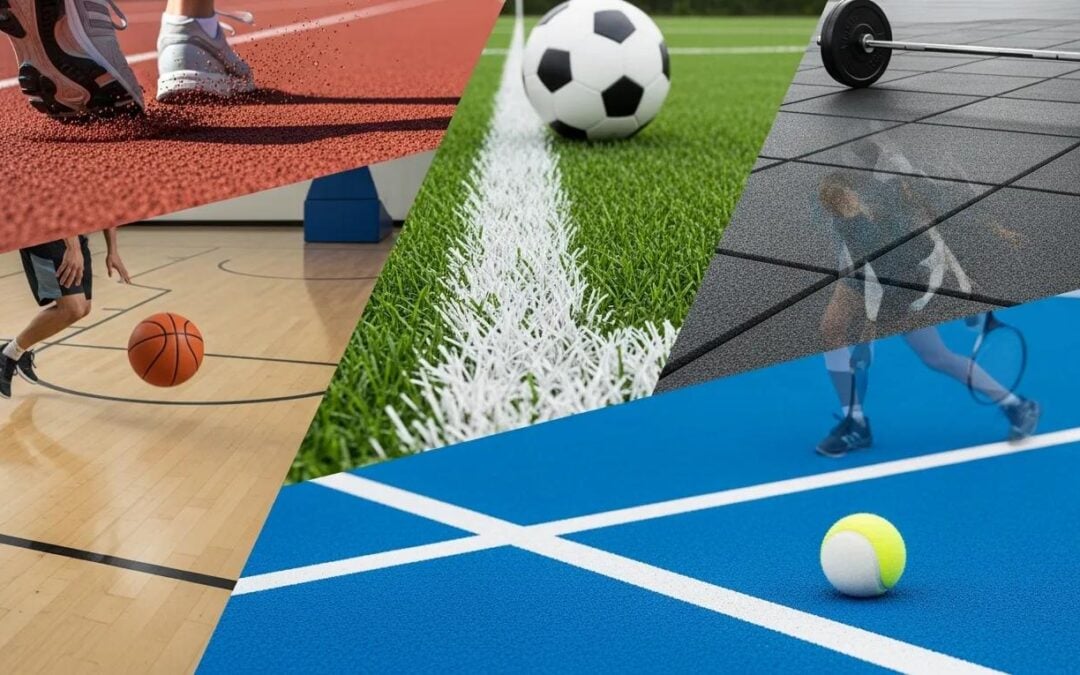
Choosing the Right Sports Floor: Your Definitive Guide to Athletic Surfaces
Selecting the perfect sports floor is crucial for maximizing athlete performance, preventing injuries, and ensuring your facility stands the test of time. Savvy decision-makers understand how different surfaces excel in key areas like sports floor materials, gym floor comparison, and athletic flooring comparison. This comprehensive guide will walk you through:
- Why the ideal floor is the bedrock of performance, safety, and durability.
- A deep dive into core materials—rubber, vinyl, polyurethane, hardwood, and turf—detailing their advantages, disadvantages, and standout features.
- A clear breakdown of costs versus the long-term value each option provides.
- Essential maintenance strategies to keep your floor in prime condition for years.
- Tailored recommendations for specific environments like schools, fitness centers, and specialized sports venues.
- Environmental considerations, including low-VOC options and recycled content.
- Installation timelines and the critical steps for achieving a safe, high-quality finish.
Our extensive experience at SPSurfacing informs every section, offering practical insights and a clear pathway to expert advice or a personalized quote.
Why Does the Right Sports Flooring Make Such a Difference?
The foundation of athletic achievement, injury mitigation, and operational efficiency lies in your choice of sports flooring. A superior surface harmonizes material science with practical needs, delivering consistent performance, effective shock absorption, and straightforward upkeep—benefits that elevate both competitive and recreational experiences.
How Does Sports Flooring Influence Athlete Performance and Ball Rebound?
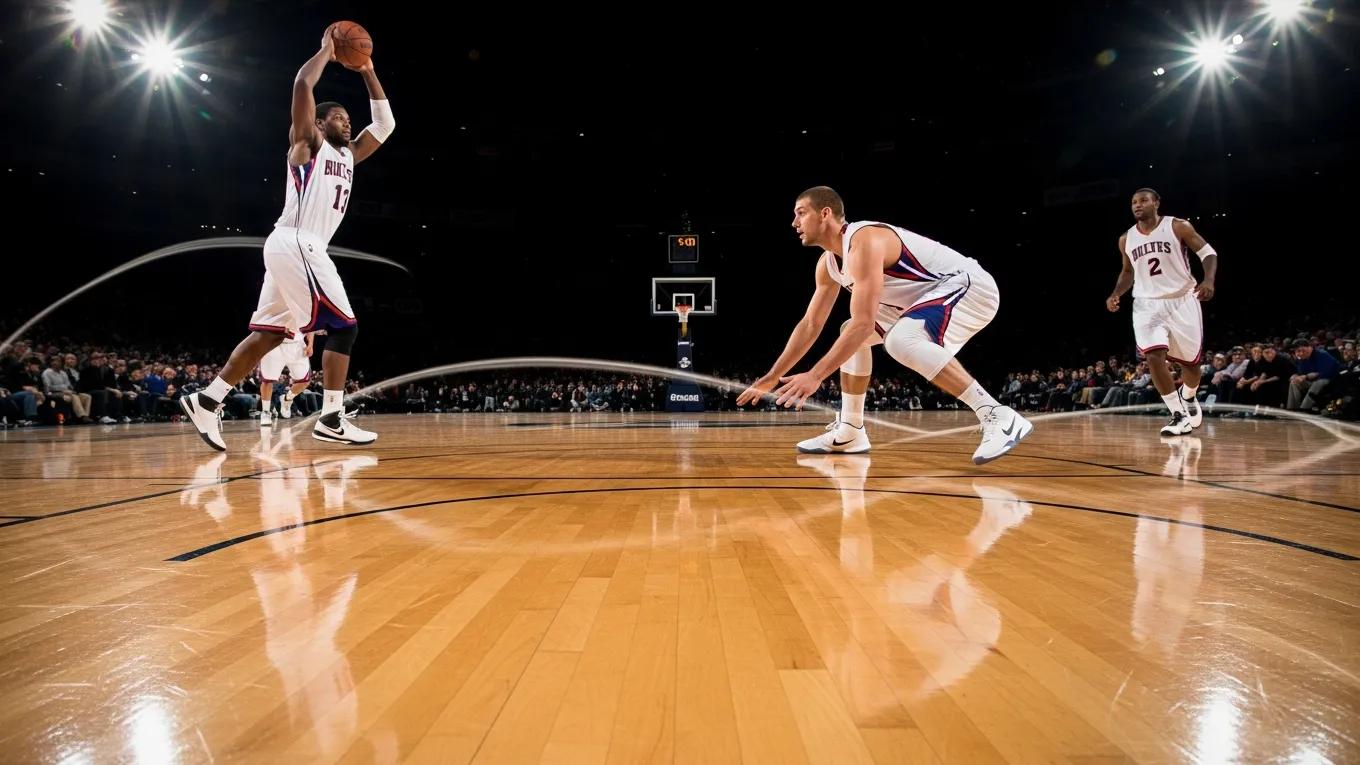
Sports flooring impacts traction, energy return, and ball response through a precise blend of material elasticity and surface texture. Enhanced grip minimizes slips, while optimal energy return dictates predictable ball bounce and athlete propulsion.
- Consistent traction patterns empower explosive acceleration and sharp directional changes.
- Responsive surfaces ensure uniform ball bounce, vital for sports like basketball and volleyball.
- The interplay of surface stiffness and damping helps reduce athlete fatigue during prolonged play.
Flooring engineered for high-performance bounce characteristics sets the stage for advanced training and predictable game dynamics.
What Safety Features Are Essential for Preventing Injuries?
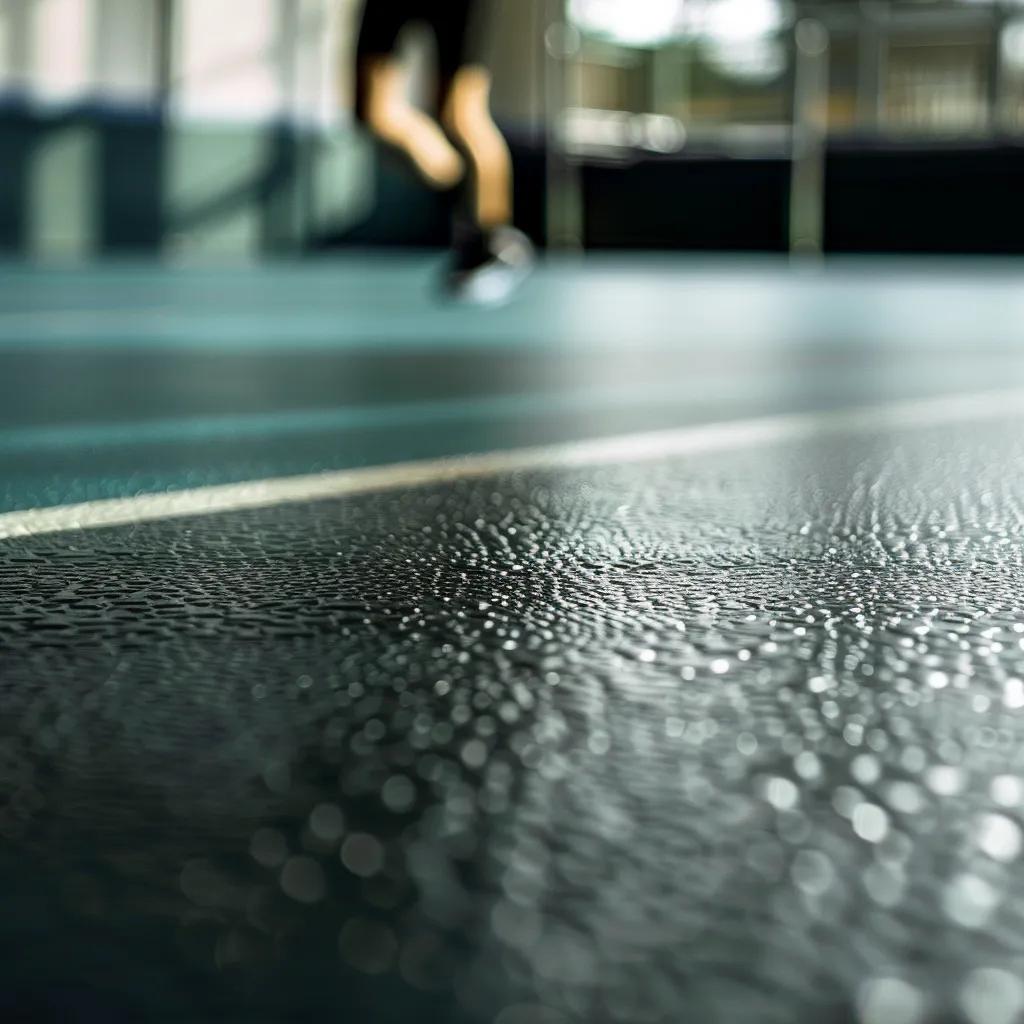
Safety is paramount, relying on superior shock absorption, reliable slip resistance, and seamless surface integrity. Surfaces that effectively absorb impact reduce stress on joints and minimize soft tissue injuries, while anti-slip finishes prevent dangerous falls during quick maneuvers.
- Impact Absorption: Significantly reduces peak forces on ankles and knees.
- Slip Resistance: Meets stringent safety ratings (e.g., Pendulum Test) in both wet and dry conditions.
- Seam Integrity: Prevents tripping hazards and wear at connection points.
A surface meticulously designed for dependable impact damping and grip fosters athlete confidence and reduces facility liability.
How Do Durability and Maintenance Affect the Lifespan of Your Flooring?
The durability and maintenance requirements of your flooring directly influence its total cost of ownership and how well it retains its appearance. Materials engineered for high abrasion resistance maintain their integrity under heavy foot traffic, equipment loads, and rigorous cleaning schedules.
- Abrasion Resistance: Assessed through tests like Taber or Martindale to predict wear life.
- Chemical Resistance: Determines how well the surface withstands cleaning agents and perspiration.
- Repairability: The ease of patching or refinishing extends the functional life of the floor.
Choosing a material that complements your cleaning routines and usage intensity optimizes maintenance budgets and prevents premature replacement.
Exploring the Key Types of Sports Floor Materials
Understanding the different flooring types allows you to specify the perfect surface for your activity needs, budget, and aesthetic vision. Five primary categories define the athletic flooring landscape:
Each option presents unique performance characteristics and maintenance demands that will shape your facility's operational strategy.
What Are the Advantages and Applications of Rubber Sports Flooring?
Rubber sports flooring excels under heavy loads and equipment impact, making it a top choice for weight rooms and functional training zones. Its unique structure provides:
- Exceptional shock absorption, reducing impact by up to 60%
- A slip-resistant finish perfect for dynamic movements
- Effective noise dampening, especially under free-weight drops
- Options with high recycled content for environmentally conscious designs
Available in tiles, rolls, and interlocking mats, rubber flooring allows for quick installation and targeted replacements without disrupting the entire area.
The Role of Rubber Sports Flooring in Injury Prevention and Performance
Rubber sports flooring significantly contributes to athlete safety and performance through its superior shock absorption and slip-resistant properties. Its unique elasticity disperses impact energy, reducing stress on joints and minimizing the risk of injuries during high-impact activities. Additionally, rubber's dense cellular structure offers noise dampening, making it ideal for environments like weight rooms.
This citation supports the article's claims regarding rubber flooring's shock absorption capabilities, its role in injury prevention, slip resistance, and noise dampening benefits.
How Does Vinyl Sports Flooring Deliver Versatility and Style?
Vinyl sports surfaces combine the aesthetic appeal of wood or stone with practical advantages ideal for multipurpose halls and fitness studios. Key features include:
- Resistance to water and stains, ensuring effortless cleanup
- Customizable graphics and color-fast designs
- Low surface friction balanced with controlled slip resistance
- Gentle elasticity to reduce fatigue in high-traffic areas
Available as sheets or modular planks, vinyl flooring creates a seamless visual flow while supporting a wide range of activities, from aerobics to light court sports.
Why Opt for Polyurethane Sports Flooring for Seamless Performance?
Polyurethane (PU) systems create a single, monolithic layer that masterfully balances force dispersion with consistent ball rebound. PU surfaces are characterized by:
- A seamless finish that enhances hygiene and prevents bacterial growth
- Shock absorption that typically reduces impact force by 20–35%
- Uniform traction for swift changes in direction
- Minimal seams to prevent moisture infiltration and delamination
Indoor courts, gymnasiums, and rehabilitation centers benefit immensely from PU's blend of exceptional durability and stable performance.
What Makes Hardwood Sports Flooring Ideal for Classic Courts?
Hardwood courts, traditionally crafted from maple, offer superior ball bounce, consistent slip resistance, and timeless elegance, making them a favorite for educational institutions and competitive venues. Hardwood provides:
- Outstanding ball restitution for precise dribbling and passing
- Polished finishes that meet rigorous international standards (e.g., FIBA, EN 14904)
- The ability to be sanded and refinished, extending service life for decades
- The natural warmth and prestige of a premium material
Proper subfloor construction and moisture management systems are absolutely critical to maintaining the integrity of hardwood flooring.
Key Performance Criteria and Standards for Sports Flooring
International standards such as EN 14904 and FIBA establish crucial performance factors for sports flooring, encompassing shock absorption, ball bounce, and surface friction, to ensure athlete safety and consistent play. For hardwood basketball courts, a minimum ball rebound of 93% is often recommended, measured against a concrete surface.
This research directly supports the article's claims about hardwood performance, ball bounce consistency, and adherence to international standards like FIBA and EN 14904.
When Is Artificial Turf or Synthetic Grass the Right Choice for Sports Facilities?
Artificial turf and synthetic grass are perfect for outdoor fields, indoor training areas, or multi-use games courts that require a natural grass feel. Key advantages include:
- All-weather resilience thanks to UV-stabilized fibers
- Low-maintenance infill systems
- Consistent surface performance for running tracks, practice zones, and small-sided games
- Enhanced drainage for rapid recovery after rain
Turf systems effectively bridge the gap between traditional courts and natural grass pitches, offering remarkable versatility across various sports and events.
How Do Cost and Return on Investment Guide Your Flooring Decision?
A thorough evaluation of initial costs against long-term value ensures your investment aligns perfectly with your budget and operational objectives. A transparent cost analysis is essential for justifying capital expenditure and accurately forecasting replacement timelines.
What Are the Initial and Long-Term Expenses for Different Sports Floor Materials?
The initial investment covers materials, subfloor preparation, and installation labor, while ongoing costs include cleaning, repairs, and eventual resurfacing. Typical cost ranges are:
- Rubber: £25–£50 per m² (tiles/rolls), with low repair expenses
- Vinyl: £30–£60 per m², requiring moderate replacement cycles
- Polyurethane: £40–£80 per m², with minimal seam repairs needed
- Hardwood: £80–£120 per m², needing refinishing every 5–7 years
- Synthetic Turf: £50–£100 per m², requiring occasional infill top-ups and grooming
How Does Flooring Durability Impact Overall Value and ROI?
Durability is the key determinant of a surface's longevity and consistent performance over time. Materials with high wear ratings offer a lower total cost per year when factoring in repair and refurbishment intervals. Prioritize:
- Abrasion resistance (Taber/CEN ratings) that matches your usage intensity
- Warranty-backed lifespans that accurately reflect real-world conditions
- Modular or seamless options that allow for localized repairs without full-area closure
A durable surface significantly reduces lifecycle costs and maximizes facility availability for training and events.
What Maintenance Practices Ensure Your Sports Flooring Lasts?
Implementing proactive maintenance regimes is essential for preserving safety features, appearance, and performance attributes across all flooring types. Customized cleaning and inspection schedules minimize cumulative wear and operational disruptions.
How Should You Care for Rubber and Vinyl Sports Floors?
Rubber and vinyl floors benefit from regular dry dust mopping and occasional damp mopping with pH-neutral cleaning solutions. Best practices include:
- Daily sweeping or dry microfiber dusting to remove all debris
- Weekly damp mopping using manufacturer-approved cleaners
- Quarterly inspections of seams and transitions for any signs of lifting or damage
- Periodic deep cleaning and recoating every 12–24 months
Consistent care maintains optimal slip resistance and shock absorption, minimizing the need for costly repairs.
What Are the Recommended Maintenance Steps for Polyurethane and Hardwood Floors?
Polyurethane systems and hardwood surfaces require specialized treatments to protect their integrity and performance. Key steps include:
- PU FloorsGentle scrubbing with soft brushes and mild detergentsImmediate cleanup of spills to prevent stainingAnnual recoating with compatible sealers to restore friction properties
- Hardwood FloorsDaily dust mopping to prevent grit-induced abrasionControlled moisture cleaning to avoid wood swellingLight sanding and finish application every 5–7 years
Strict adherence to these protocols ensures sustained elasticity, hygiene, and visual appeal for years to come.
How Can You Select the Best Sports Flooring for Specific Athletic Facilities?
Matching materials to specific facility use cases optimizes performance outcomes and budget allocation. Consider the type of activity, traffic patterns, and multi-use requirements.
Which Flooring Materials Are Ideal for School and University Sports Halls?
Educational facilities typically require versatile, safe surfaces that are cost-effective and easy to maintain. Recommended options include:
- Vinyl Multipurpose Flooring for dance, assemblies, and low-impact sports
- PU Seamless Systems for basketball and indoor athletics where hygiene is critical
- Interlocking Rubber Tiles in strength and conditioning areas to protect the subfloor
A combination of materials can meet diverse program needs without excessive capital expenditure.
What Are the Top Flooring Options for Commercial Gyms and Fitness Centres?
Commercial fitness spaces demand highly durable, impact-resistant, and acoustically dampening surfaces. Top choices include:
- Rubber Roll-Out or Tile Systems under weightlifting areas for superior shock absorption
- PU Coatings in functional training zones for excellent slip control and hygiene
- Vinyl Planks in studio areas for dynamic classes and effective brand representation
Strategic zoning with different materials enhances safety and the overall user experience.
How Do Flooring Needs Differ for Specialized Sports Like Basketball or CrossFit?
Sport-specific criteria refine material selection to achieve the perfect balance between performance and resilience:
- Basketball Courts: Hardwood or PU surfaces meticulously engineered for consistent ball rebound and rapid court transitions
- CrossFit Boxes: Heavy-duty rubber tiles or rolls offering high compression set resistance and anti-tear properties
- Volleyball/Badminton Courts: PU or vinyl surfaces providing precise friction control and effective shock attenuation
Each sport's unique movement profile and equipment footprint guides the specification process toward perfectly tailored performance.
What Are the Environmental and Sustainability Considerations for Sports Flooring?
Sustainable flooring solutions minimize environmental impact, promote healthy indoor air quality, and contribute to green building certifications. Key factors include material sourcing, off-gassing potential, and end-of-life recyclability.
Which Sports Floor Materials Offer Eco-Friendly and Low VOC Options?
Several systems prioritize recycled content, minimal volatile organic compound (VOC) emissions, and cradle-to-cradle certifications:
- Recycled Rubber Tiles made from post-consumer tires significantly reduce landfill waste
- Bio-based PU Flooring utilizing renewable raw materials with low-VOC finishes
- Cork Underlays for hardwood courts, enhancing shock absorption and natural insulation
Eco-certified products support healthier indoor air quality and can help achieve LEED or BREEAM certification.
How Does Recycled Rubber Flooring Contribute to Sustainability?
Recycled rubber flooring transforms end-of-life tires into durable, high-performance surfaces, offering:
- Up to 90% recycled material content by weight
- Reduced demand for virgin polymers and lower energy consumption
- LEED credits for recycled content and resource reuse
- Exceptional durability, decreasing replacement frequency and waste generation
Environmental Benefits and Circular Economy Contributions of Recycled Rubber Flooring
Recycled rubber flooring provides a sustainable solution by repurposing discarded tires, significantly reducing landfill waste and minimizing the demand for virgin materials. This eco-friendly approach contributes to a circular economy, lowering CO2 emissions and offering a durable, long-lasting material for various applications, including sports facilities.
This research directly supports the article's section on the environmental and sustainability considerations of sports flooring, specifically highlighting the benefits of recycled rubber.
What Is the Installation Process and Timeline for Different Sports Floor Materials?
Installation timelines vary based on material complexity, subfloor preparation requirements, and necessary cure times. Accurate scheduling is crucial to minimize facility downtime and ensure performance warranties are upheld.
How Long Does Installation Take for Rubber, Vinyl, Polyurethane, and Hardwood Floors?
Installation durations are influenced by the material type and site conditions:
- Rubber Tiles/Rolls: Typically 1–3 days for areas up to 200 m², assuming minimal subfloor repairs
- Vinyl Sheets/Planks: Usually 2–4 days, including adhesive dwell times and seam welding
- PU Systems: Can take 3–7 days, accounting for primer, intermediate, and top-coat cure cycles
- Hardwood Courts: Generally 7–14 days, including moisture acclimation, nailing, sanding, and finishing
Precise scheduling facilitates phased construction and efficient facility reopening plans.
What Are the Key Installation Steps to Ensure Safety and Performance?
A structured installation workflow is vital for safeguarding the floor's integrity and functionality:
- Thorough Subfloor Assessment and Repair
- Accurate Moisture Testing and Mitigation
- Application of Primer and Base Coats (for PU/vinyl systems)
- Careful Material Layout and Joint Treatment
- Surface Finishing and Curing Processes
- Rigorous Quality Inspection and Performance Testing (e.g., ball rebound, slip resistance checks)
Each step is fundamental to the surface’s long-term durability and compliance with safety standards, setting the stage for reliable athletic performance.