
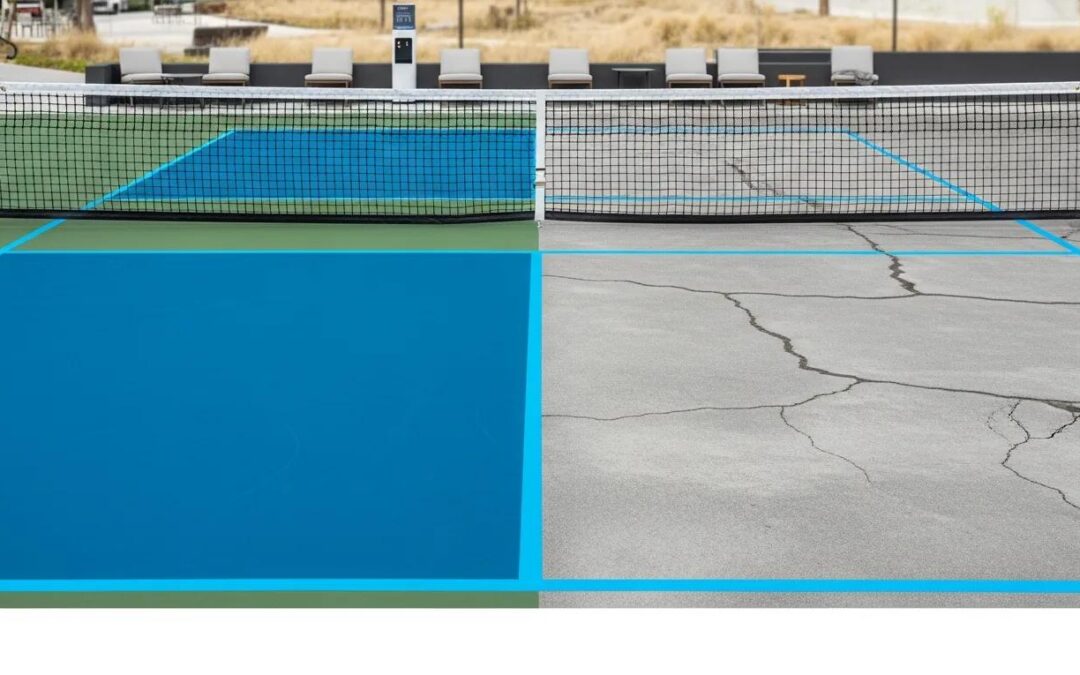
Comprehensive Pickleball Court Resurfacing Services: Expert Solutions and Cost Insights
Pickleball has rapidly gained popularity, leading to an increased demand for quality court surfaces. Resurfacing these courts is essential for maintaining optimal playability and safety. This article delves into the intricacies of pickleball court resurfacing, including the factors influencing costs, the best materials for resurfacing, and the maintenance practices that can extend the life of your court. By understanding these elements, you can make informed decisions about resurfacing and maintenance, ensuring a high-quality playing experience. We will explore the step-by-step process of resurfacing, the benefits of professional services, and how to select the right local resurfacing company.
What Are the Key Factors Influencing Pickleball Court Resurfacing Costs?
The cost of resurfacing a pickleball court can vary significantly based on several key factors. Understanding these elements can help you budget effectively and choose the right service provider. The primary factors influencing resurfacing costs include material choice, surface condition, and labor costs. Each of these components plays a crucial role in determining the overall price of the project.
Detailed Breakdown of Cost Components for Resurfacing Projects
When considering resurfacing, it's important to break down the costs involved. The main components include:
- Material Costs: The type of surface material chosen, such as acrylic coatings or polyurethane systems, can greatly affect the price. High-quality materials may have a higher upfront cost but can offer better durability and performance.
- Surface Preparation: If the existing court surface is in poor condition, additional preparation work may be required, such as crack filling or sanding, which can increase labor costs.
- Labor Costs: The expertise and rates of the contractors you hire will also impact the total cost. Experienced professionals may charge more, but their quality of work can save you money in the long run.
How Local Service Availability Affects Pricing and Lead Times
Local demand and service availability can significantly influence resurfacing costs and timelines. In areas with high demand for pickleball courts, prices may be elevated due to competition for skilled labor and materials. Additionally, lead times for scheduling resurfacing projects can vary based on regional availability, with some areas experiencing longer wait times than others. Understanding these local dynamics can help you plan your resurfacing project more effectively.
Which Surface Materials and Coatings Are Best for Pickleball Court Resurfacing?
Choosing the right materials for resurfacing is critical to ensuring the longevity and performance of your pickleball court. The best materials not only enhance playability but also provide safety and durability.
- Acrylic Coatings: These are widely regarded as the preferred choice for pickleball courts due to their excellent durability and vibrant color options. They provide a smooth playing surface and are resistant to fading.
- Polyurethane Systems: Known for their flexibility and resilience, polyurethane coatings offer superior protection against wear and tear, making them ideal for high-traffic courts.
- Slip-Resistant Materials: Incorporating slip-resistant materials into the surface can enhance player safety, reducing the risk of falls and injuries during play.
Comparing Acrylic Coatings and Alternative Durable Materials
When selecting a coating, it's essential to compare the benefits of acrylic coatings with alternative materials. Acrylic coatings are favored for their affordability and ease of application, while polyurethane systems, although more expensive, provide enhanced durability and longevity. Evaluating the specific needs of your court and budget will guide your decision.
Innovations in Eco-Friendly and Fast-Curing Court Coatings
Recent advancements in court coatings have introduced eco-friendly and fast-curing options. These innovative materials not only reduce environmental impact but also allow for quicker installation times, minimizing downtime for players. Eco-friendly coatings often utilize sustainable materials, making them a responsible choice for facility managers looking to maintain their courts.
What Is the Step-by-Step Process for Professional Pickleball Court Surface Preparation and Resurfacing?
The resurfacing process involves several critical steps to ensure a high-quality finish. Understanding this process can help you appreciate the work involved and the expertise required.
- Surface Repair: The first step involves assessing the existing surface for cracks and damage. Any necessary repairs, such as crack filling, are performed to create a smooth base.
- Application of Coatings: Once the surface is prepared, the chosen coating is applied. This step requires precision to ensure an even application that meets professional standards.
- Finishing Touches: After the coatings have cured, finishing touches such as court striping are added to complete the resurfacing process.
Surface Preparation Techniques Including Crack Filling and Repair
Effective surface preparation is crucial for a successful resurfacing project. Techniques such as crack injection and surface sanding are employed to ensure that the court is ready for new coatings. Proper preparation not only enhances the appearance of the court but also extends the life of the new surface.
Application Procedures for High-Quality Court Coatings
The application of court coatings must be executed with care to achieve optimal results. Professionals typically follow specific procedures, including temperature and humidity considerations, to ensure that the coatings adhere properly and cure effectively. This attention to detail is essential for achieving a durable and high-performing court surface.
How Can Pickleball Court Maintenance Extend Surface Life and Performance?
Regular maintenance is vital for extending the life and performance of pickleball court surfaces. Implementing a consistent maintenance routine can prevent costly repairs and ensure a safe playing environment.
- Regular Cleaning: Keeping the court clean from debris and contaminants helps maintain surface integrity and playability. Regular sweeping and washing can prevent the buildup of dirt and grime.
- Timely Repairs: Addressing minor issues such as cracks or surface wear promptly can prevent more significant damage from occurring. Regular inspections can help identify these issues early.
- Seasonal Maintenance: Depending on the climate, seasonal maintenance may be necessary to prepare the court for varying weather conditions, ensuring it remains in optimal condition year-round.
Essential Maintenance Tips for Longevity and Playability
To keep your pickleball court in top shape, consider the following maintenance tips:
- Schedule Regular Inspections: Regularly check for signs of wear and damage to address issues before they escalate.
- Use Appropriate Cleaning Products: Avoid harsh chemicals that can damage the surface; instead, opt for gentle cleaners designed for sports surfaces.
- Implement a Maintenance Schedule: Establish a routine maintenance schedule to ensure consistent care and attention to the court.
When and How Often Should Courts Be Resurfaced?
The frequency of resurfacing depends on several factors, including court usage and environmental conditions. Generally, courts should be resurfaced every 3-5 years, but this can vary based on wear and tear. Signs that resurfacing is needed include visible cracks, fading colors, and a rough playing surface. Regular maintenance can help extend the time between resurfacing projects.
Can You Perform DIY Pickleball Court Repairs and Resurfacing?
While some minor repairs can be performed by individuals, professional resurfacing is recommended for optimal results. Understanding the limitations of DIY methods is crucial for maintaining court quality.
Guidelines and Limitations of DIY Court Repair Methods
DIY repairs can be effective for small issues, such as filling minor cracks or cleaning the surface. However, more extensive repairs and resurfacing should be left to professionals to ensure quality and durability. Attempting to perform complex repairs without the necessary expertise can lead to subpar results and increased costs in the long run.
When to Engage Professional Resurfacing Services for Optimal Results
Engaging professional resurfacing services is advisable when significant repairs are needed or when a complete resurfacing is required. Professionals bring the necessary skills, equipment, and materials to ensure a high-quality finish that meets industry standards. Their expertise can save time and money by preventing mistakes that could arise from DIY attempts.
How to Select Local Pickleball Court Resurfacing Companies with Proven Expertise?
Choosing the right resurfacing company is essential for achieving the best results. Here are some guidelines to help you select a reputable provider.
- Research Company Experience: Look for companies with a proven track record in pickleball court resurfacing. Experience often correlates with quality and reliability.
- Check References and Testimonials: Seek out reviews and testimonials from previous clients to gauge the company's reputation and service quality.
- Evaluate Services Offered: Ensure the company provides comprehensive services, including surface preparation, coating application, and maintenance options.
Criteria for Evaluating Contractors and Service Providers
When evaluating potential contractors, consider the following criteria:
- Experience and Expertise: Assess the contractor's experience in resurfacing pickleball courts specifically.
- Quality Assurance Measures: Inquire about the quality control processes they have in place to ensure a high standard of work.
- Warranty and Support: Look for companies that offer warranties on their work and ongoing support for maintenance.
Benefits of Choosing Tailored Resurfacing Solutions from Local Experts
Opting for local resurfacing experts can provide several advantages, including:
- Custom Solutions: Local companies often understand the specific needs of your area and can tailor their services accordingly.
- Local Knowledge and Support: They can offer insights into the best materials and practices for your specific climate and usage patterns.
- Community Reputation: Local businesses often rely on their reputation within the community, motivating them to deliver high-quality work.