
Durable Multi-Family Flooring Options: Expert Guide to Long-Lasting, Low-Maintenance Solutions in the UK
What Are the Most Durable Flooring Types for Multi-Family Properties?
- Luxury Vinyl Tile (LVT) – Rigid core and reinforced wear layer resist scratches and moisture.
- Commercial Vinyl – Heavy-duty vinyl rolls or planks designed for continuous traffic and rapid repairs.
- Carpet Tiles – Modular carpet sections offering simple replacement, sound absorption, and design flexibility.
- Sheet Vinyl – Seam-free, hygienic covering ideal for kitchens, bathrooms and affordable housing budgets.
Why Is Luxury Vinyl Tile (LVT) Ideal for Multi-Family Apartments?
- Durability: 20–30 mil wear layers withstand heavy foot traffic and furniture movement.
- Water Resistance: Fully sealed seams prevent moisture infiltration in kitchens and bathrooms.
- Aesthetic Versatility: Realistic wood, stone or tile appearances maintain design standards without sacrificing performance.
How Do Commercial Vinyl Flooring Options Meet High-Traffic Demands?
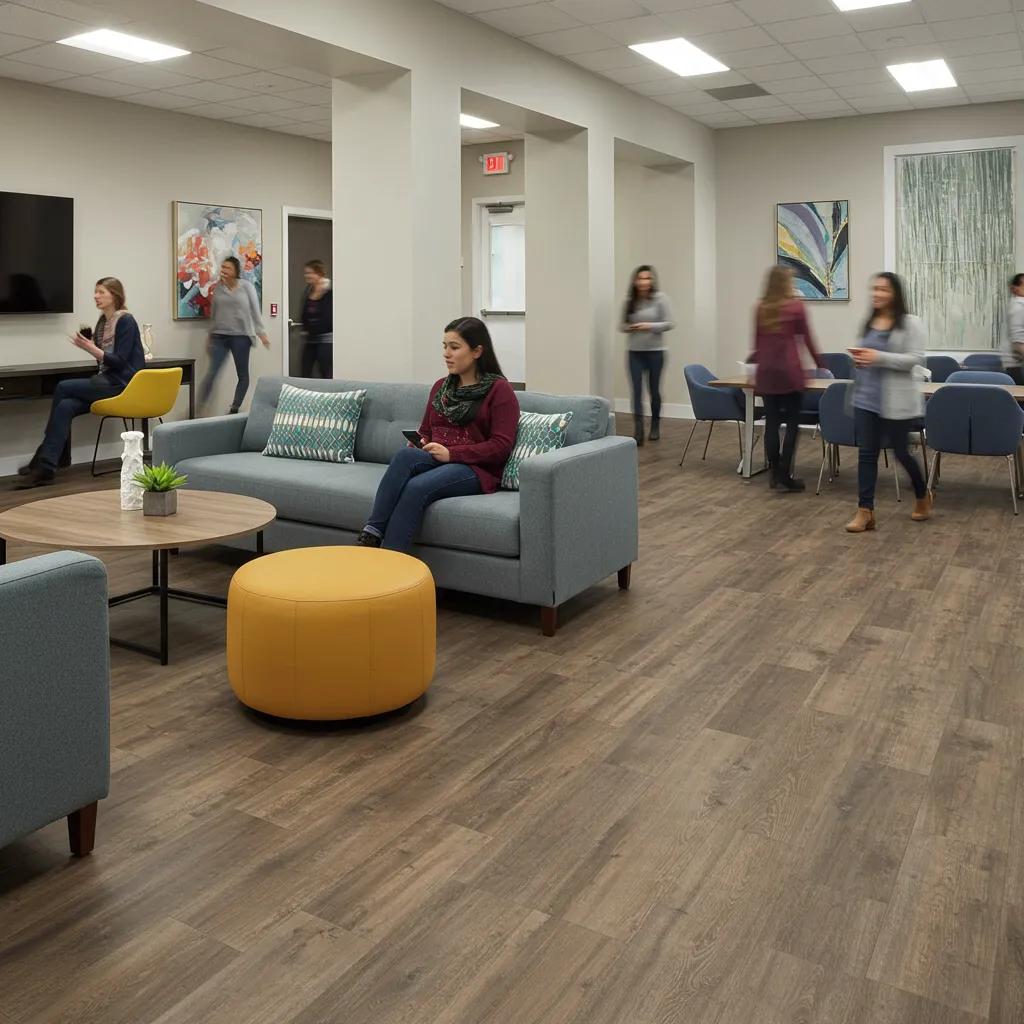
- Heavy-Duty Composition: Reinforced with fiberglass or polyester to resist tears and indentation.
- Seam Sealing: Heat-welded or chemically welded joins create hygienic, waterproof installations.
- Rapid Repairs: Vinyl rolls can be patched in sections, avoiding large-scale replacements.
What Are the Benefits of Hard-Wearing Carpet Tiles in Communal Areas?
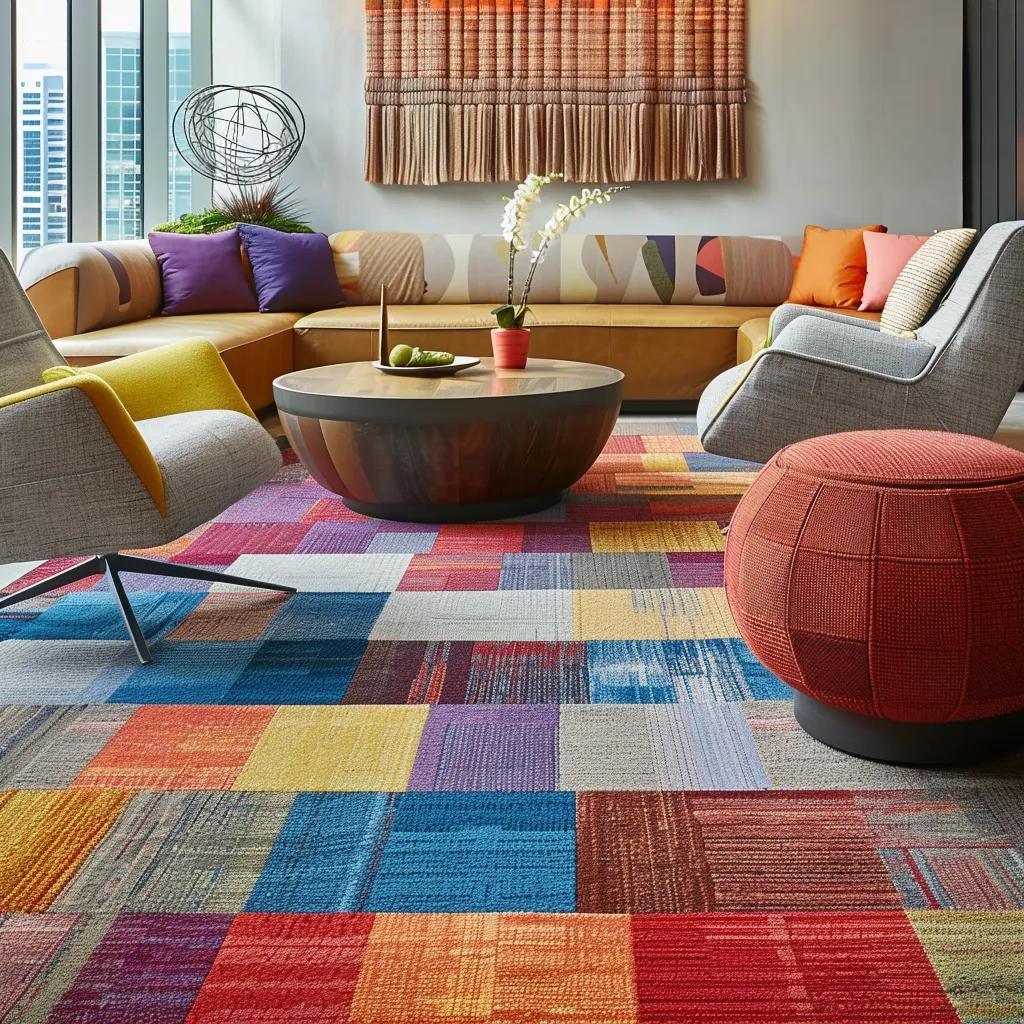
- Sound Absorption: Reduces echo and impact noise in corridors and common rooms.
- Easy Replacement: Worn or stained tiles can be swapped without disrupting the entire floor.
- Design Customisation: Patterns, colours and textures define wayfinding and brand identity.
When Should You Choose Sheet Vinyl for Social and Affordable Housing?
- Hygienic Surfaces: Non-porous composition inhibits bacterial growth in kitchens and bathrooms.
- Slip Resistance: PU or vinyl fleck coatings exceed slip-resistance standards in wet areas.
- Cost-Effectiveness: Lower material and installation costs translate to tight-budget compliance.
How Does Flooring Impact Acoustic Performance in Multi-Family Buildings?
What Acoustic Solutions Do LVT and Carpet Tiles Offer for Noise Control?
- LVT with Acoustic Underlay: Rubber or cork underlays beneath click-lock planks absorb impact vibrations, cutting noise by up to 22 dB.
- Carpet Tiles with Foam Backing: Integrated PU or fibre backings deliver 18–24 dB sound reduction and additional thermal insulation.
How Can Flooring Reduce Impact Sound Between Apartment Units?
| System | Impact Sound Reduction | Typical Components |
|---|---|---|
| LVT + Rubber Underlay | 20–24 dB | 2 mm wear layer, 3 mm SPC core, 2 mm rubber |
| Carpet Tile + Foam | 18–22 dB | 7 mm carpet tile, 5 mm PU foam backing |
Why Is Acoustic Performance Critical for Student Accommodation and Condos?
- Regulatory Compliance: Meeting Part E criteria to legalise building occupancy certificates.
- Tenant Satisfaction: Minimising complaints related to footfall and activity noise.
- Value Proposition: Demonstrating superior sound control as a selling point for prospective tenants.
What Are the Maintenance and Hygiene Advantages of Multi-Family Flooring Options?
How Does LVT Simplify Cleaning and Tenant Turnover in Rental Properties?
- Chemical Resistance: Resists common detergents and disinfectants without surface degradation.
- Quick Turnarounds: Minimal drying times speed tenant move-ins and reduce vacancy periods.
- Coverage Consistency: Uniform appearance prevents patchiness as adhesives cure.
What Maintenance Practices Extend the Life of Carpet Tiles and Vinyl Flooring?
- Regular Vacuuming and Sweeping: Prevents abrasive grit from abrading fibres or vinyl wear layers.
- Spot Cleaning with pH-Neutral Cleaners: Protects backing adhesives and maintains slip resistance.
- Scheduled Deep Cleaning: Bonnet cleaning for carpets and low-moisture scrubbing for vinyl every 6–12 months.
- Tile Rotation and Replacement: Swapping high-wear tiles preserves uniform performance across communal zones.
Which Flooring Types Offer Antimicrobial and Hygienic Benefits?
- Sheet Vinyl with PUR Finish: Polyurethane coatings inhibit bacterial growth and simplify disinfectant use.
- LVT with Microban® Technology: Integrated antimicrobial agents prevent mildew and odour formation.
- Rubber Flooring: Naturally bacteriostatic surface ideal for fitness and healthcare-style communal areas.
How Do UK Building Regulations Influence Multi-Family Flooring Choices?
What Are the Key UK Regulations Affecting Flooring in Multi-Family Housing?
- Part E: Mandates impact sound insulation values not exceeding 62 dB between flats.
- Part M: Requires slip resistance standards (R9–R12) for accessible routes and communal areas.
- Part B: Fire safety rules requiring flooring to meet Class Cfl-s1 or higher under BS EN 13501-1.
Approved Document E: Resistance to the Passage of Sound
The UK Building Regulations Approved Document E provides mandatory standards for sound insulation in residential buildings, including flats. It outlines requirements for both airborne sound resistance and impact sound transmission to ensure occupant comfort and privacy. For new constructions, separating floors must achieve an impact sound insulation value not exceeding 62 dB.
This official document directly supports the article’s claims regarding the importance of acoustic performance and the specific decibel requirements for impact sound reduction in multi-family properties under UK building regulations.
How Can Flooring Solutions Meet Fire Safety and Accessibility Standards?
- Fire-Rated Vinyl: PVC formulations with fire-retardant additives achieving Cfl-s1 classification.
- Slip-Resistant Treatments: Textured vinyl or PU topcoats delivering R10 ratings for safe access routes.
- Accessible Threshold Systems: Transition trims and levelling strips ensure wheelchair compliance under Part M.
Why Is Slip Resistance Essential for Communal and Wet Areas?
- Wet Pendulum Test Values: ≥36 for general circulation and ≥54 for ramps under BS 7976-2.
- PU or Composite Coatings: Enhance friction while maintaining cleanable surfaces.
What Are the Cost-Effectiveness and Lifecycle Benefits of Durable Multi-Family Flooring?
How Does LVT Compare to Other Flooring Types in Total Cost of Ownership?
| Flooring Type | Installation Cost (per m²) | Maintenance Cost (annual) | Replacement Cycle |
|---|---|---|---|
| LVT | £25–£35 | £1–£2 | 10–15 years |
| Carpet Tile | £20–£30 | £3–£4 | 7–10 years |
| Sheet Vinyl | £15–£25 | £1–£2 | 8–12 years |
What Flooring Options Offer the Best Balance of Durability and Budget?
- Sheet Vinyl: Lowest upfront cost with hygienic, slip-resistant surfaces.
- Basic LVT: Mid-range price with upgraded wear layers for extended lifespan.
- Quality Carpet Tiles: Targeted use in communal lounges where acoustic performance justifies higher budgets.
How Do Reduced Maintenance Needs Translate to Savings for Property Managers?
- Fewer Replaceable Sections: LVT and vinyl repairs avoid wholesale replacements common with traditional tiles.
- Shorter Turnover Downtime: Quick dry times for vinyl accelerate lease transitions.
- Lower Disruption Costs: Modular carpet tile swaps cause minimal disturbance compared to broad carpet refits.
Which Sustainable and Eco-Friendly Flooring Options Are Available for Multi-Family Properties?
What Are Low VOC and Recycled Content Flooring Choices?
- Recycled LVT: Contains up to 80% reclaimed vinyl while meeting performance specs.
- Linoleum (Marmoleum®): Made from linseed oil, cork powder and jute backing; naturally biodegradable.
- Recycled Carpet Tiles: Up to 50% nylon and polyester from post-consumer waste, certified by GUT.
How Does Natural Linoleum and Rubber Flooring Benefit Multi-Family Housing?
- Renewable Composition: Plant-based ingredients with minimal petrochemical use.
- Long Lifespan: 20–30 years of lifecycle with proper maintenance.
- Acoustic and Thermal Comfort: Dense structure reduces noise and insulates underfoot.
Why Is Lifecycle Assessment Important for Sustainable Flooring Decisions?
- Carbon Footprint Analysis: Identifies high-impact stages for reduction strategies.
- Resource Efficiency: Highlights opportunities for reclaimed material use.
- End-of-Life Planning: Encourages recycling and waste-minimising installation methods.
Life cycle assessment (LCA) and cost (LCC) studies of lightweight composite flooring systems
Life Cycle Assessment (LCA) is a systematic methodology used to evaluate the environmental impacts of a product throughout its entire life cycle, from raw material extraction to disposal. This approach is crucial for identifying opportunities to reduce a product’s carbon footprint and improve resource efficiency, thereby guiding the selection of sustainable materials and construction systems in the building industry.
This academic research highlights the importance of LCA in assessing the environmental impact of flooring systems, directly supporting the article’s emphasis on sustainability and the value of LCA in making informed, eco-friendly flooring decisions for multi-family properties.
How Should Multi-Family Flooring Be Professionally Installed and Specified?
What Are the Different Installation Methods for LVT and Vinyl Flooring?
- Click-Lock (Floating): Planks interlock without adhesive, allowing rapid installation and easy removal.
- Glue-Down: Permanent bond to substrate for enhanced stability in high-traffic corridors.
- Loose-Lay: Heavy-weight vinyl sheets or planks held in place by friction and light adhesive—ideal for temporary or retrofit projects.
Why Is Professional Installation Critical for Flooring Longevity and Warranty?
- Substrate Preparation: Level, dry and clean bases prevent telegraphing defects and adhesive failures.
- Precision Detailing: Proper corner cuts, transitions and expansion joints avoid buckling or gaps.
- Manufacturer Compliance: Adhering to temperature, humidity and adhesive specifications preserves warranty validity.
How Can Property Managers Ensure Flooring Meets Performance and Compliance Needs?
- Review Regulatory Criteria: Confirm slip-resistance, acoustic and fire-rating specifications.
- Evaluate Use Cases: Match material properties to tenant profiles and communal functions.
- Inspect Substrate Conditions: Address moisture, levelness and structural concerns pre-installation.
- Schedule Preventive Maintenance: Establish cleaning and inspection protocols aligned with manufacturer guidelines.