

Expert Flooring Consulting: Comprehensive Advice for Commercial, Sports, Industrial, and Educational Flooring Needs
Expert Flooring Consulting combines in-depth site evaluation with material science expertise to recommend, specify, and oversee flooring systems that enhance safety, durability, and regulatory compliance in every environment. By integrating performance requirements—such as slip resistance, load capacity, and hygiene standards—this service delivers cost-efficient flooring strategies that minimize downtime and extend asset lifecycles.
In the sections that follow, you will discover:
- What Expert Flooring Consulting is and when to engage a consultant
- How a structured consulting process ensures optimal product selection and project management
- Available services for commercial, sports, and industrial facilities
- Proven methods for diagnosing and solving common flooring challenges
- Our unique value propositions, case study insights, and team qualifications
- Key questions clients ask and how to begin your consultation journey
What Is Expert Flooring Consulting and Why Is It Essential?
Expert Flooring Consulting defines a professional service that combines site assessment, material analysis, and regulatory review to tailor flooring solutions for specific facility needs. This advisory approach evaluates substrate conditions, traffic patterns, and environmental factors to ensure every recommendation aligns with performance targets and budget constraints. Understanding these fundamentals prevents costly failures and accelerates project approval processes.
Engaging a consultant early fosters proactive risk management by identifying substrate issues, slip hazards, and compliance gaps—laying the groundwork for a seamless installation that meets industry standards.
What Does an Expert Flooring Consultant Do?
An expert flooring consultant conducts a comprehensive site survey, evaluates substrate integrity, and analyzes usage patterns to inform material selection. Using non-destructive testing tools, they measure moisture levels and surface flatness, then compare candidate systems—such as epoxy resin, polyurethane, and rubber—to performance criteria. This process ensures the chosen flooring offers optimal durability, chemical resistance, and aesthetic appeal.
By coordinating with architects, contractors, and facility managers, consultants streamline specification development, manage tender processes, and oversee installation quality. Their involvement reduces rework, supports warranty compliance, and secures long-term cost savings, setting the stage for effective project management.
How Does Flooring Consulting Benefit Commercial and Institutional Clients?
Flooring consulting benefits commercial and institutional clients by delivering:
- Enhanced safety through slip-resistant surfaces tailored to client activities
- Compliance with sector-specific regulations such as BS 8204 or healthcare hygiene standards
- Lifecycle cost analysis that aligns flooring performance with budgetary goals
These advantages translate into reduced liability, prolonged flooring lifespan, and improved occupant satisfaction, establishing consulting as a strategic investment rather than a cost center.
When Should You Hire a Flooring Consultant for Your Project?
You should engage a flooring consultant at key project milestones:
- Pre-Design Phase to integrate flooring requirements into architectural plans
- Tender Preparation for clear, performance-based specifications
- Pre-Installation Inspection to verify substrate readiness
- Post-Installation Review to confirm quality and compliance
Early involvement prevents scope changes, accelerates approvals, and ensures the final floor system aligns with both operational demands and regulatory frameworks.
How Does the Expert Flooring Consulting Process Work?
Effective flooring consulting combines structured assessment, collaborative planning, and lifecycle support to deliver tailored solutions.
What Are the Key Steps in Flooring Assessment and Material Recommendation?
The assessment and recommendation phase includes:
- Site Survey – Documenting existing conditions, traffic volumes, and environmental influences.
- Testing & Analysis – Measuring moisture content, relative humidity, and substrate flatness.
- Material Evaluation – Comparing resin, vinyl, rubber, and concrete options against performance requirements.
- Specification Development – Detailing system components, installation methods, and maintenance regimes.
This sequence ensures that substrate characteristics drive material choices, bridging client objectives with technical feasibility.
How Is Project Management Integrated into Flooring Consulting?
Project management in consulting involves:
- Coordinating with stakeholders to align schedules and budget forecasts
- Monitoring contractor bids, delivery timelines, and on-site execution
- Conducting quality inspections at critical milestones
- Facilitating change orders and managing warranties
By embedding these management activities within the consulting framework, clients receive end-to-end support that mitigates delays and protects project ROI.
What Maintenance and Durability Advice Do Flooring Consultants Provide?
Consultants advise on maintenance protocols and durability enhancements by assessing wear patterns and specifying:
These guidelines extend floor life by preventing moisture ingress and chemical degradation, ensuring sustained performance under heavy use.
What Commercial Flooring Consulting Services Are Available?
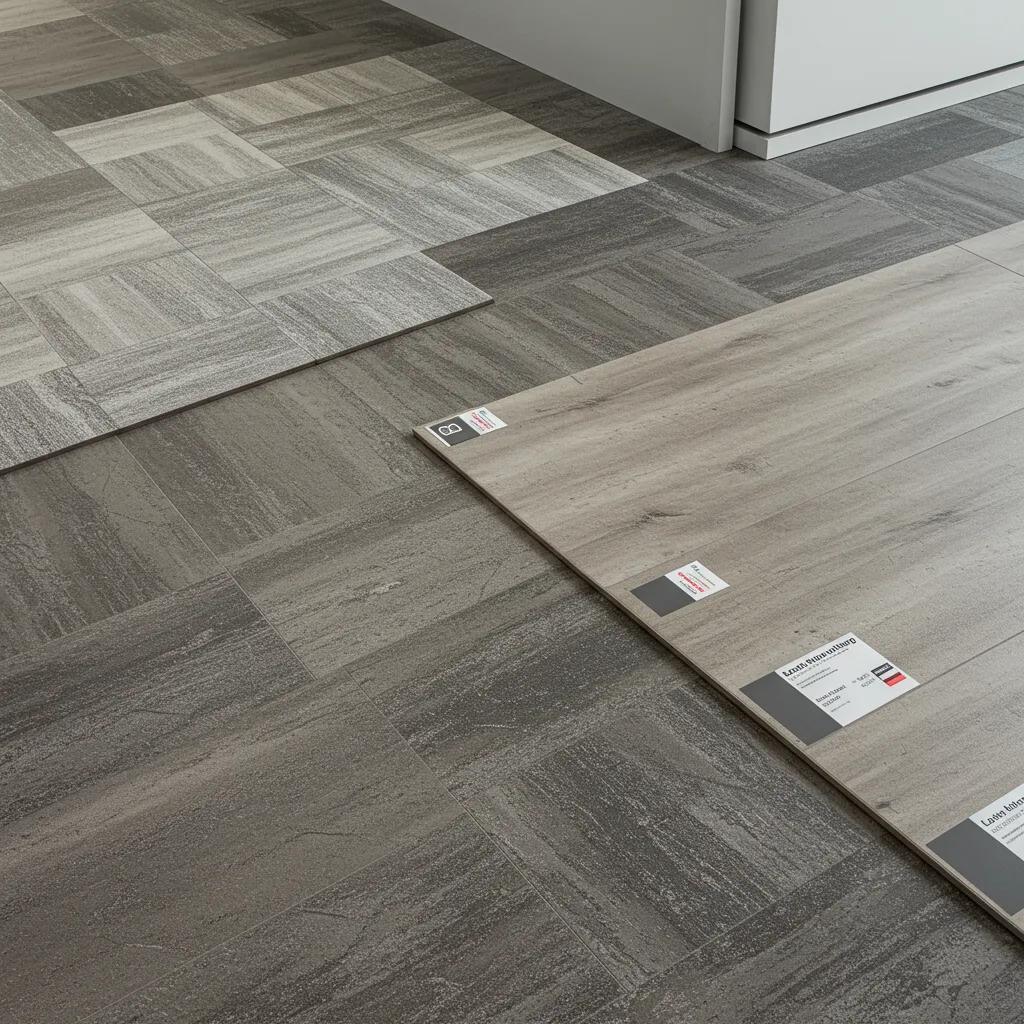
Commercial clients benefit from sector-focused expertise that balances aesthetics, functionality, and cost-effectiveness.
How Do You Choose the Right Office Flooring Solutions?
Selecting office flooring involves:
- Evaluating acoustic requirements for noise reduction
- Understanding foot traffic volumes and cleaning regimes
- Balancing carpet tile, luxury vinyl tile, and hard surface resilience
A tailored specification optimizes employee comfort and facility branding while minimizing maintenance expenditures.
What Retail Flooring Advice Ensures Customer Safety and Aesthetics?
Retail environments require slip-resistant yet visually appealing floors. Consultants recommend:
- Vinyl composite tile with anti-skid additives in entry zones
- Polished concrete with decorative scoring for display areas
- High-distinction transitions to guide customer flow
These solutions promote safety, enhance merchandising, and support brand identity through material selection.
How Is Healthcare Facility Flooring Specified for Compliance and Hygiene?
In healthcare settings, flooring must resist pathogens and comply with regulations:
Specifying seamless, cleanable surfaces reduces infection risk and meets stringent NHS and HTM 61 requirements.
What Are the Best Hospitality Flooring Options for Durability and Style?
Hospitality venues demand resilient flooring with design flexibility. Recommended options include:
- Stone-effect porcelain tile in lobbies
- Decorative resilient sheet flooring in corridors
- Rubber safety flooring in kitchens and back-of-house areas
These selections balance guest experience, foot traffic resilience, and ease of maintenance.
What Does Sports Facility Flooring Consulting Involve?
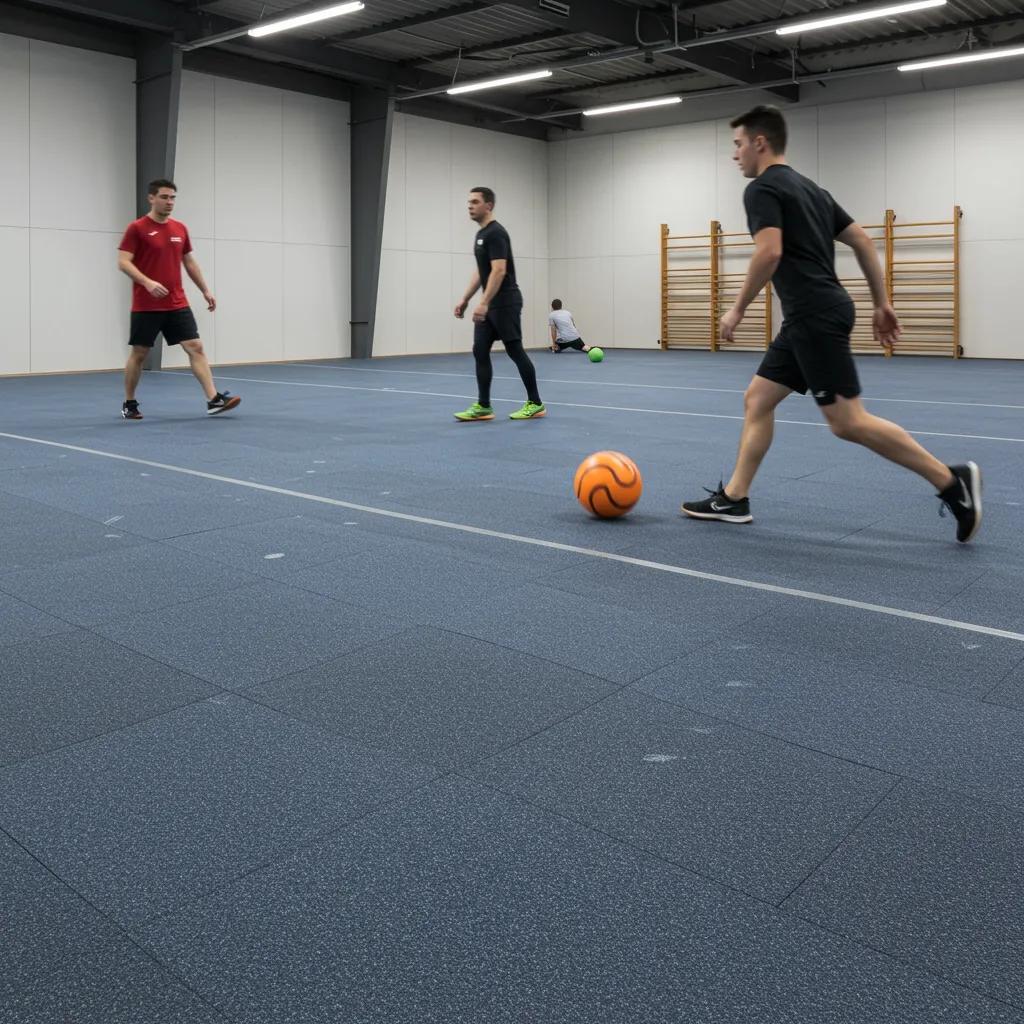
Sports facility consulting ensures surfaces support athlete performance, safety, and facility accreditation.
How Is Gym Floor Design Tailored for Safety and Performance?
Gym flooring design integrates:
- Shock-absorbing underlays to reduce joint stress
- Slip-resistant rubber overlays for multi-use courts
- Surface friction levels calibrated for specific sports
This combination promotes athlete confidence and minimizes injury risk.
What Are the Best Athletic Court Surfacing Options for Indoor and Outdoor Use?
Indoor and outdoor court surfacing recommendations include:
- Polyurethane Sports Surfaces for indoor halls requiring consistent ball bounce.
- Acrylic Coatings on asphalt for outdoor tennis and netball courts.
- Interlocking Vinyl Tiles in multi-activity studios for easy replacement.
Selecting the right coating enhances performance metrics and weather resistance.
How Do Universities and Schools Benefit from Expert Sports Flooring Advice?
Educational institutions achieve compliance with governing bodies such as BS EN 14904 by implementing:
- Durable, shock-absorbing sports hall surfaces
- UV-stable outdoor courts with clear court-line marking
- Safe, impact-attenuating playground surfacing
Expert advice reduces maintenance demands and supports student welfare.
What Materials Are Recommended for School Playground Surfacing?
Playground surfacing must combine resilience and fall protection:
These materials safeguard children while meeting EN 1177 fall-height standards.
What Are the Core Industrial Flooring Consulting Solutions?
Industrial floors face heavy loads, chemical exposure, and stringent safety requirements that demand specialist insight.
How Are Warehouse Flooring Solutions Specified for Heavy Traffic and Safety?
Warehouse flooring specifications focus on:
- High-strength concrete with steel fibre reinforcement for forklift loads
- Anti-skid epoxy coatings in picking aisles
- Marking and line-of-sight guidance for efficient workflow
This approach enhances operational throughput and minimizes slip-and-trip incidents.
What Factory Floor Coatings Provide Chemical and Slip Resistance?
Factory floor consulting identifies coatings such as:
Choosing the appropriate system ensures safe, durable surfaces in corrosive environments.
How Is Food and Beverage Industry Flooring Designed for Hygiene Compliance?
Food and beverage floors require seamless, cleanable systems with rapid curing:
- Slip-resistant polyurethane screeds with gasketed drains
- USDA-approved epoxy coatings with antimicrobial additives
- Hygienic coving to eliminate bacteria-harbouring crevices
These systems meet EHEDG guidelines and simplify sanitation protocols.
What Are the Benefits of Chemical Resistant Flooring Consulting?
Consulting for chemical-resistant floors delivers:
- Reduced downtime through fewer surface failures
- Improved safety via certified slip ratings
- Extended warranty coverage through professional specification
Expert insight prevents under-specification and protects plant operations.
How Does Expert Flooring Consulting Solve Common Flooring Problems?
Proactive consultation diagnoses root causes and prescribes preventive measures before issues escalate.
What Is Flooring Failure Analysis and How Does It Prevent Future Issues?
Flooring failure analysis investigates delamination, cracking, and wear by examining:
- Adhesion Tests to assess bond strength
- Moisture Mapping to identify vapor drive problems
- Load Pattern Analysis to correlate traffic with damage
This diagnostic process informs corrective actions that avert recurring failures.
How Can Flooring Specification Guidance Improve Safety and Compliance?
Specification guidance tailors coating thickness, slip rating, and chemical resistance to facility needs. By aligning recommendations with standards such as BS 8204 and EN 1504, consultants ensure installations satisfy safety audits and regulatory inspections.
What Maintenance Strategies Extend Flooring Durability?
Effective maintenance strategies include:
- Scheduled deep cleaning with pH-neutral agents
- Quarterly inspections for wear and seam integrity
- Periodic reapplication of top-coats to preserve resistance
Consistent upkeep prevents deterioration and maximizes return on investment.
How Is Flooring Lifecycle Cost and ROI Evaluated?
Lifecycle cost and ROI evaluations compare initial installation, maintenance, and replacement expenses against expected service life. This analysis quantifies savings from higher-performance materials and professional consulting, demonstrating investment value over conventional approaches.
Why Choose Our Expert Flooring Consulting Services?
Our consulting team combines technical know-how with a client-focused approach to deliver bespoke flooring strategies that align with operational and financial objectives.
How Do We Ensure Compliance with Industry Standards and Regulations?
We maintain up-to-date knowledge of standards such as BS 8204, HTM 61, and EN 14904, integrating these requirements into every specification. This practice minimizes audit findings and ensures regulatory approvals proceed without delay.
What Makes Our Consulting Cost-Effective and Long-Lasting?
Our data-driven approach balances upfront system cost against long-term performance metrics. By modeling lifecycle expenses and durability projections, we recommend solutions that deliver lower total cost of ownership and extended warranty coverage.
How Do Our Case Studies Demonstrate Successful Flooring Consulting?
Each case study highlights our methodical process—from assessment through warranty administration—to achieve measurable facility improvements.
What Qualifications and Expertise Do Our Flooring Consultants Have?
Our consultants hold certifications in concrete technology, resin flooring systems, and project management. With combined experience spanning major commercial developments, sports venues, and industrial plants, the team delivers authoritative advice backed by technical credentials and successful project portfolios.
What Are the Frequently Asked Questions About Expert Flooring Consulting?
How Much Does Expert Flooring Consulting Cost?
Consulting fees typically range based on project complexity and site area. For straightforward assessments, costs start at a fixed rate per square meter, while comprehensive design and project management services are structured as percentage-based fees aligned with overall installation budgets.
How Do I Choose the Right Flooring Consultant for My Project?
Select a consultant with sector-specific experience, recognized technical certifications, and a track record of successful projects. Look for transparent methodologies, clear communication protocols, and warranty support as key decision criteria.
What Flooring Types Are Best for Different Commercial and Industrial Applications?
Material suitability depends on traffic load, chemical exposure, and aesthetic requirements:
- Office: Carpet tile and luxury vinyl tile for sound absorption
- Retail: Polished concrete and decorative vinyl for durability and branding
- Industrial: Epoxy novolac and polyurethane hybrid for chemical and abrasion resistance
How Does Expert Advice Improve Athletic Facility Flooring Performance?
Specialist advice aligns surface friction, shock absorption, and traction properties with sport-specific standards, promoting athlete safety, consistent ball behavior, and minimal surface degradation under repeated impact.
How Can You Get Started with Expert Flooring Consulting?
What Is the Initial Consultation Process Like?
The initial consultation begins with a site visit to document conditions and stakeholder interviews to define performance criteria. Following data collection, we deliver a preliminary report outlining recommended systems and next steps.
How Do We Tailor Flooring Solutions to Your Specific Needs?
We customize flooring strategies by mapping facility activities—such as heavy traffic zones or laboratory spills—to material properties like slip resistance, chemical tolerance, and maintenance cycles, ensuring each specification reflects real-world use cases.
How Can You Contact Us for a Flooring Consultation?
To discuss your project and request a proposal, reach out to our expert consultants via the contact form on our website or by calling our UK office. Our team will schedule a site assessment and deliver a detailed service plan.
Expert Flooring Consulting transforms facility challenges into high-performance flooring solutions that enhance safety, productivity, and long-term value. Engage our specialists at SPSurfacing to ensure your next flooring project meets every requirement from day one.