Benefits of Performance Turf for Athletes
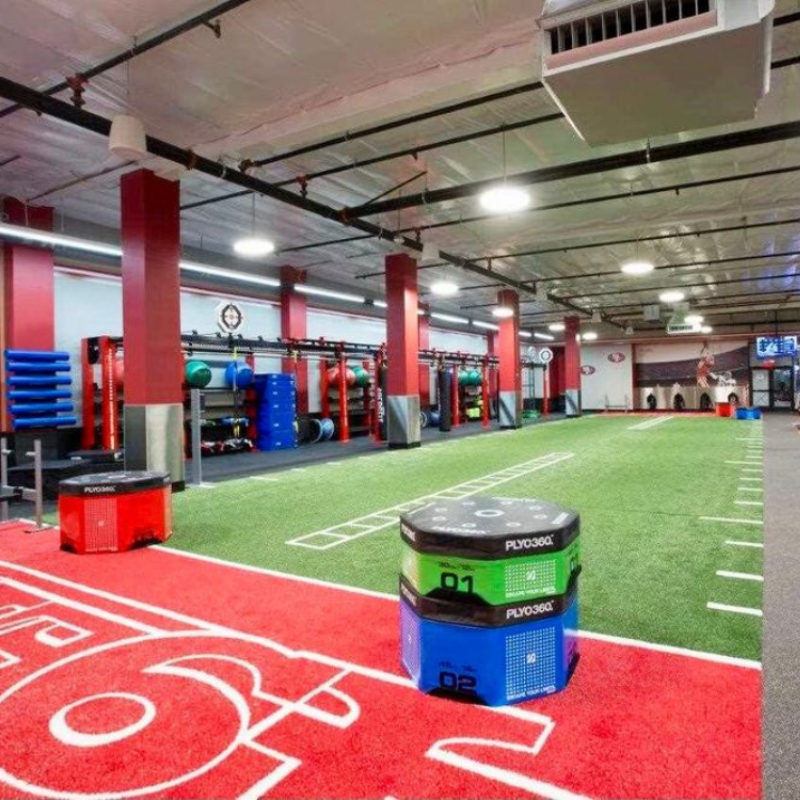
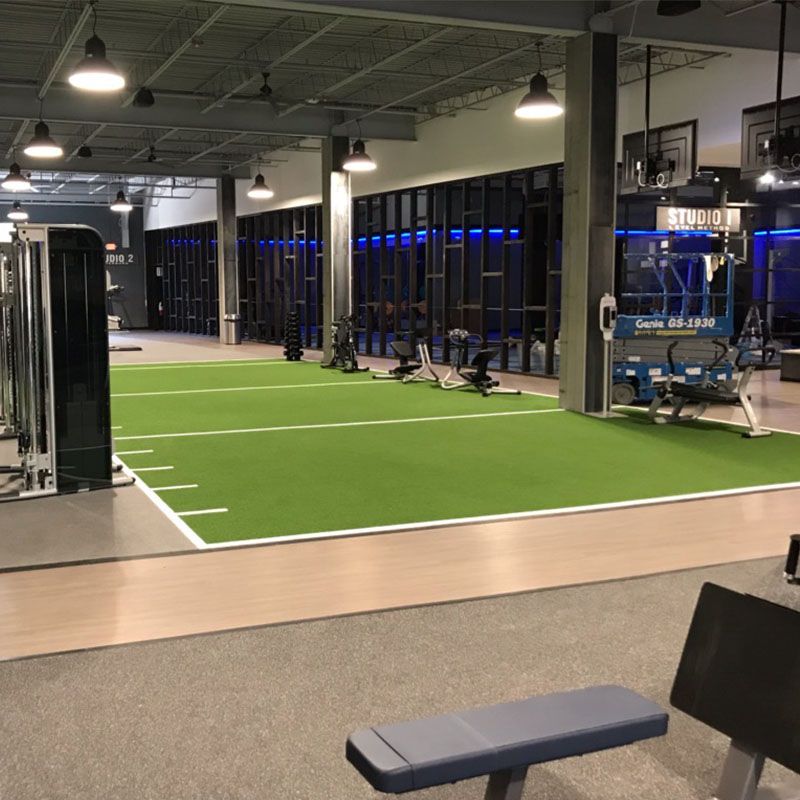
Performance turf offers numerous advantages that enhance athletic training and safety. Its design provides optimal traction and cushioning, which are essential for high-intensity workouts. Athletes can perform various drills, such as sprinting and agility exercises, with reduced risk of injury, allowing them to focus on their performance.
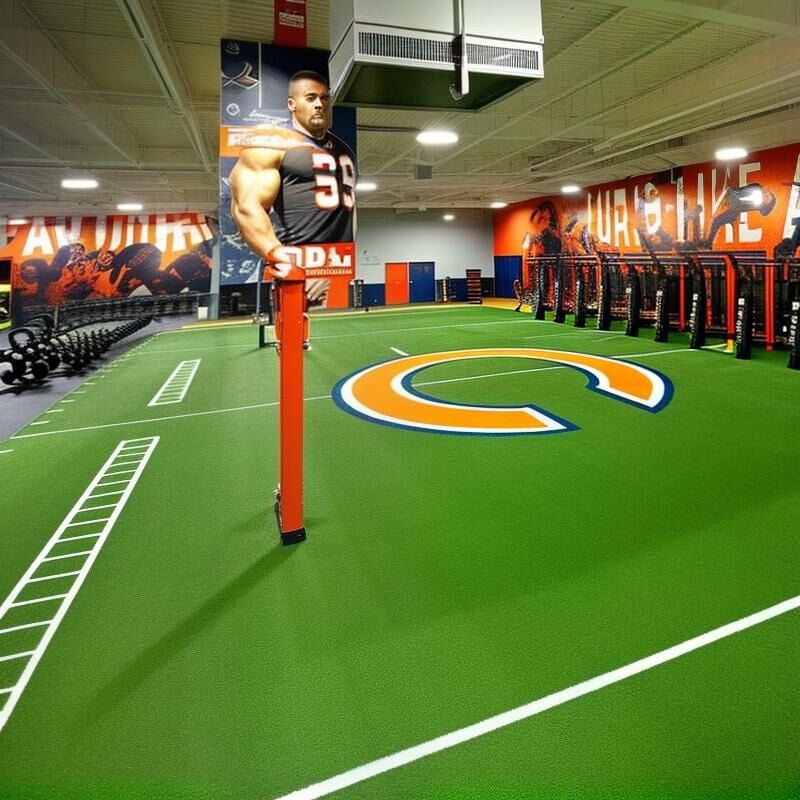
Moreover, quality performance turf is engineered to withstand rigorous use, ensuring longevity and durability. For instance, professional sports teams often choose high-grade turf to maintain consistent training conditions throughout the season. This investment not only supports athlete performance but also contributes to overall facility safety and functionality.
Installation Considerations for Performance Turf
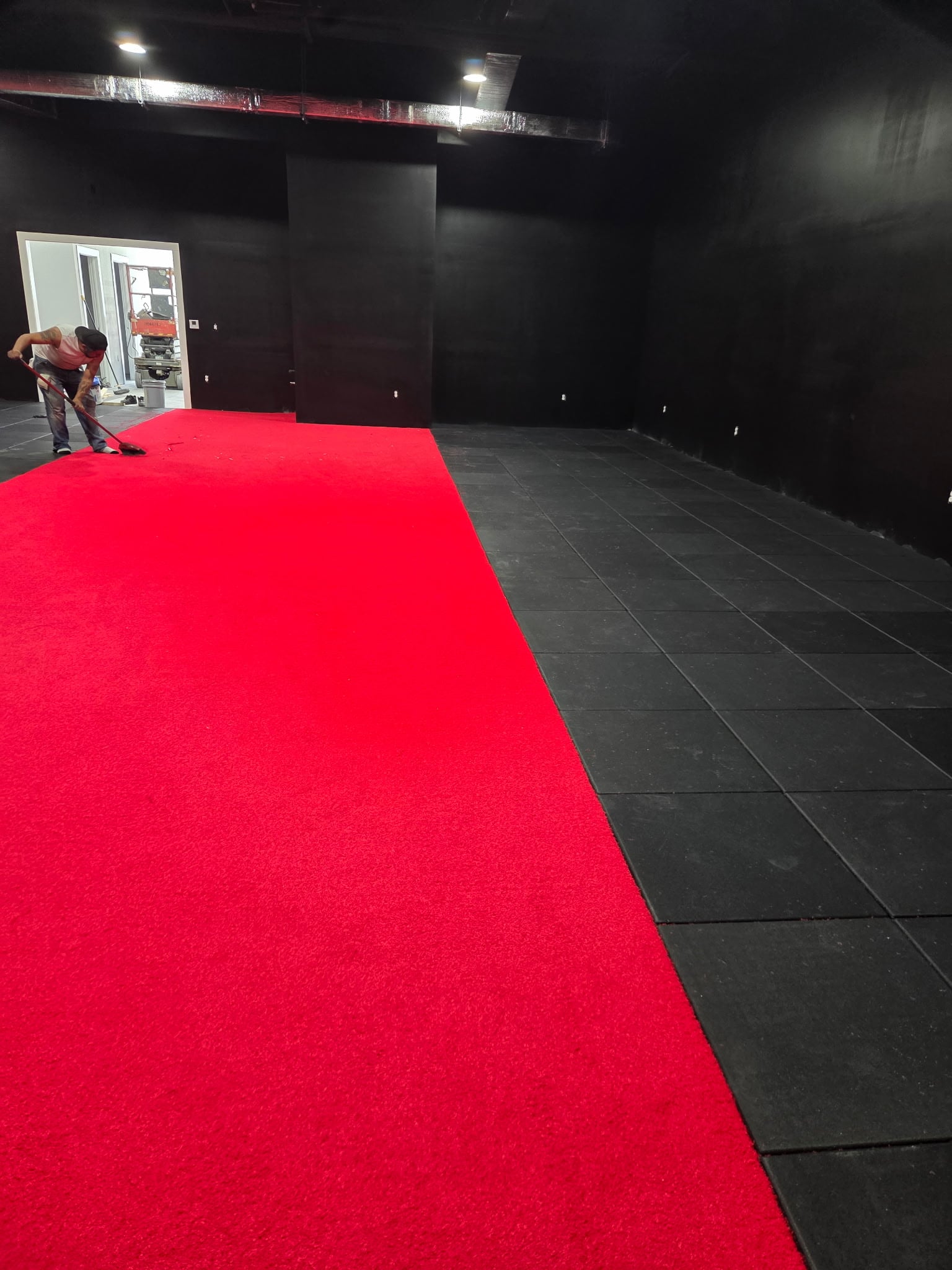
Proper installation is crucial for maximizing the benefits of performance turf. It involves careful planning and execution, including subfloor preparation and material selection. An experienced installation team ensures that the turf is laid correctly, providing the necessary support for athletic activities.
Factors such as drainage, surface texture, and overall layout are critical to the installation process. For example, a well-drained surface prevents water accumulation, which can lead to slippery conditions and potential injuries. By prioritizing expert installation, facilities can guarantee a safe and effective training environment for all athletes.
Material Selection for Optimal Performance
Selecting the right materials for performance turf is essential for achieving desired athletic outcomes. Different turf types cater to various sports and training activities, each offering unique properties that enhance performance. Understanding these differences helps facility managers make informed decisions that align with their specific needs.
For instance, certain turf materials provide better shock absorption for high-impact sports, while others may focus on durability for multi-sport use. Consulting with experts at Sport Pro Surfacing can guide clients in choosing the best materials that not only meet performance standards but also fit their budget and facility requirements.
Maintenance Tips for Performance Turf
Regular maintenance is key to preserving the quality and longevity of performance turf. Routine cleaning and inspections help identify wear and tear, ensuring that the surface remains safe for athletes. Implementing a proactive maintenance schedule can significantly extend the lifespan of the turf.
For example, brushing the turf to lift the fibers and remove debris, along with periodic deep cleaning, can prevent the buildup of dirt and bacteria. Additionally, addressing any damages promptly, such as tears or seams coming undone, ensures that the turf continues to perform optimally, providing a safe training environment.